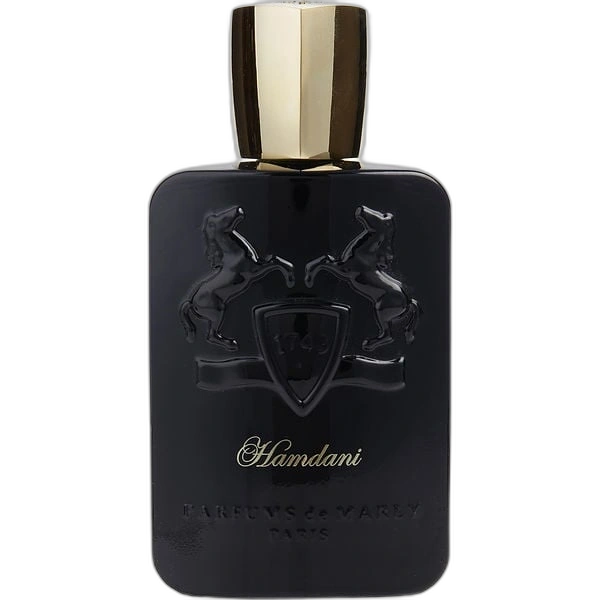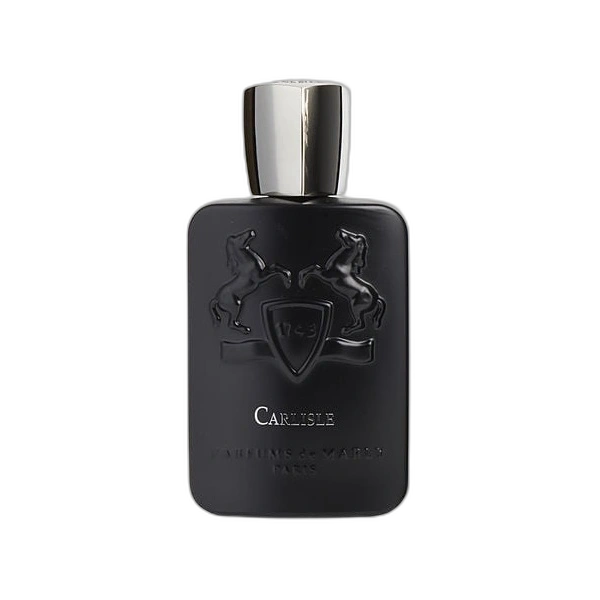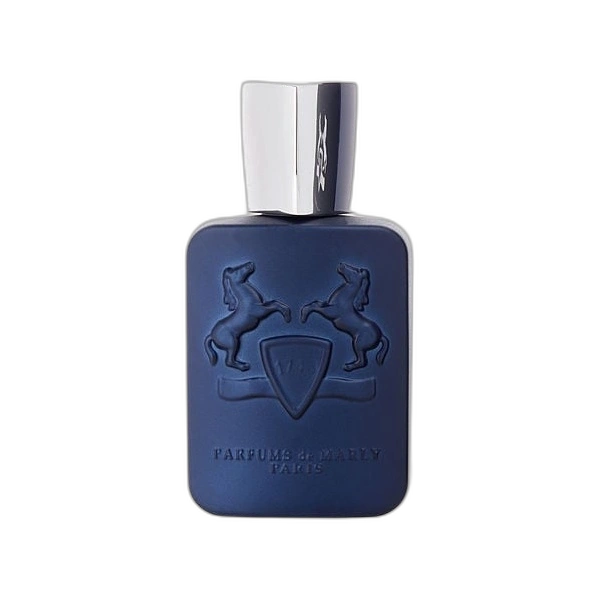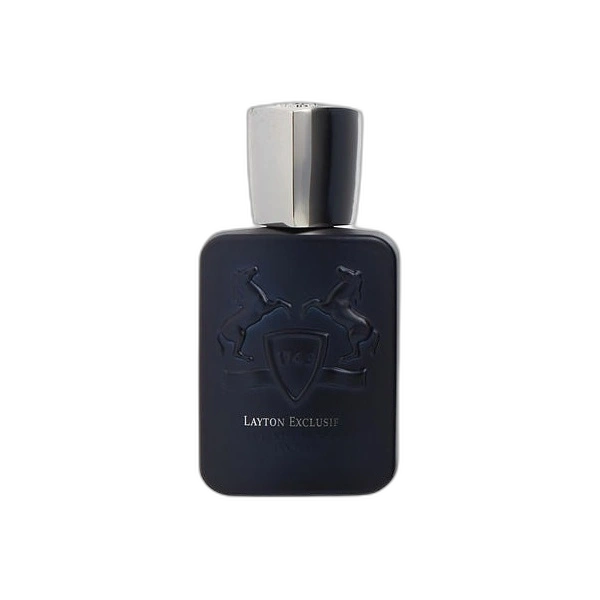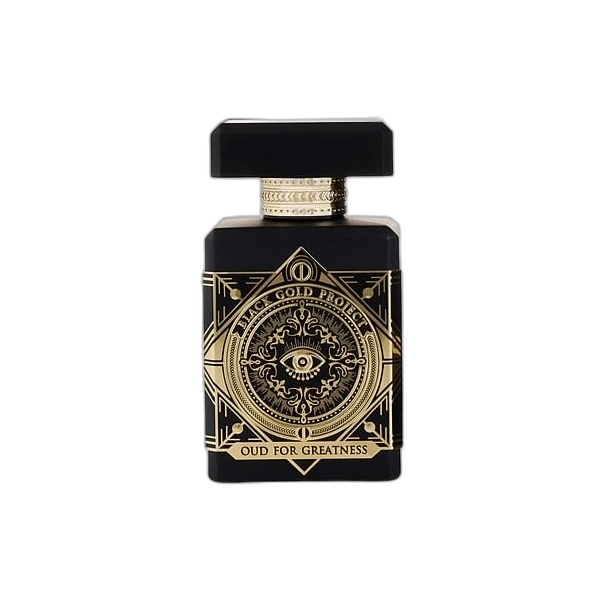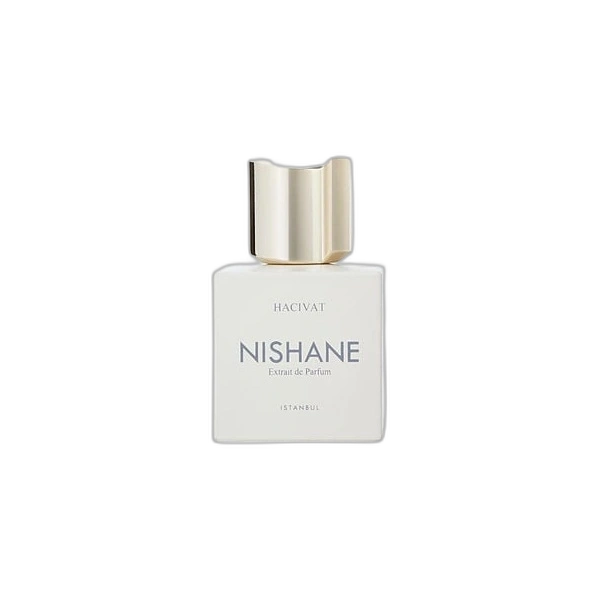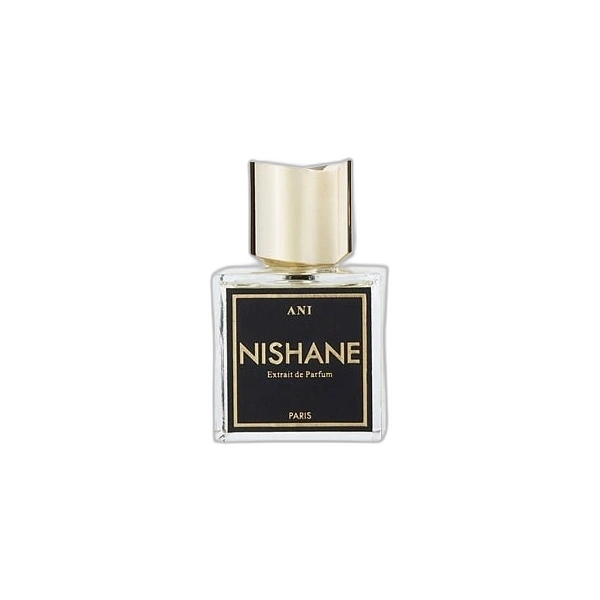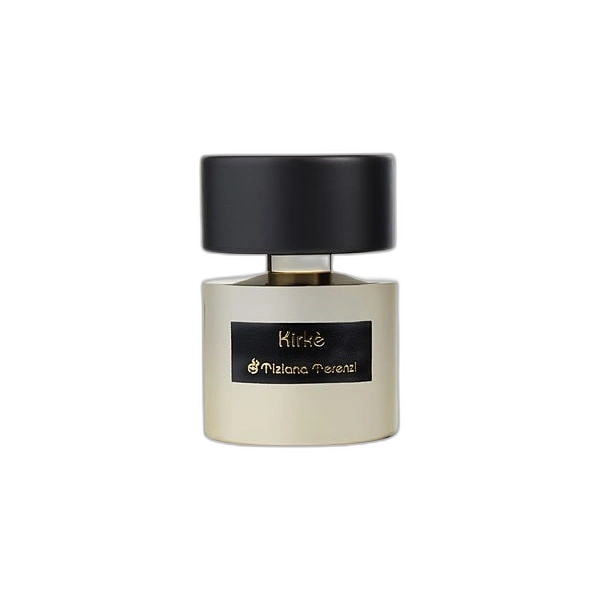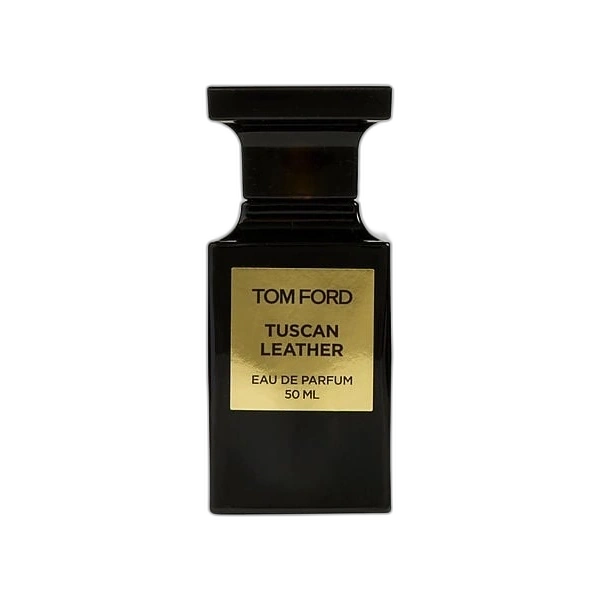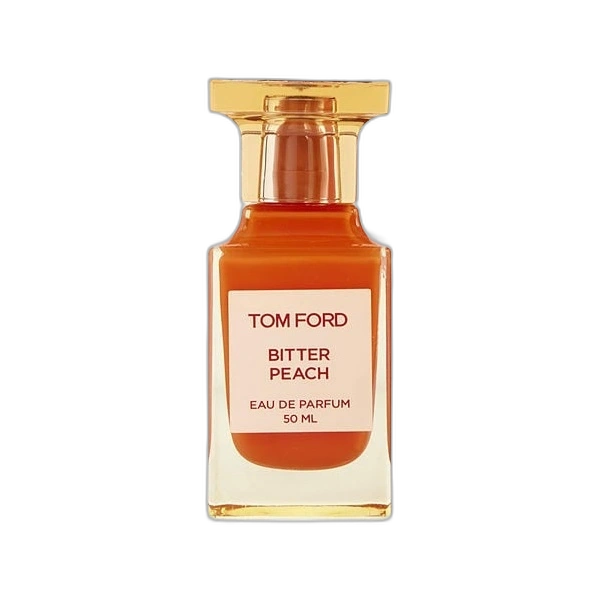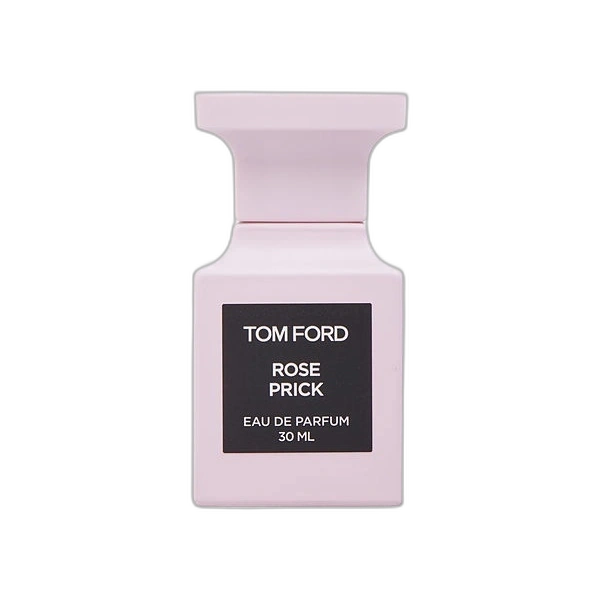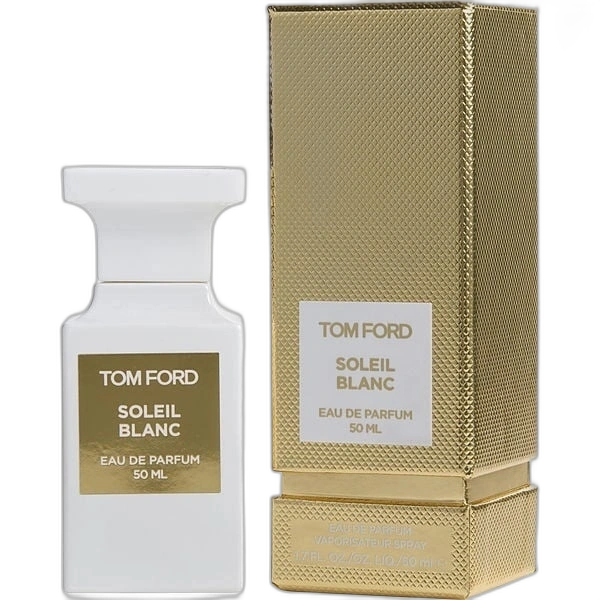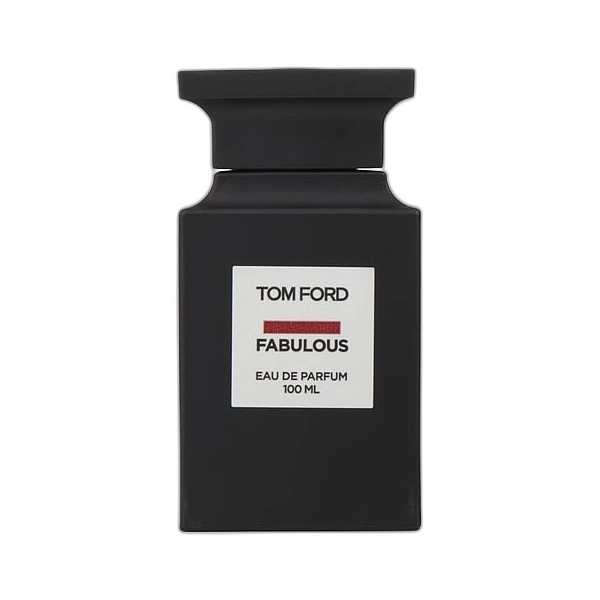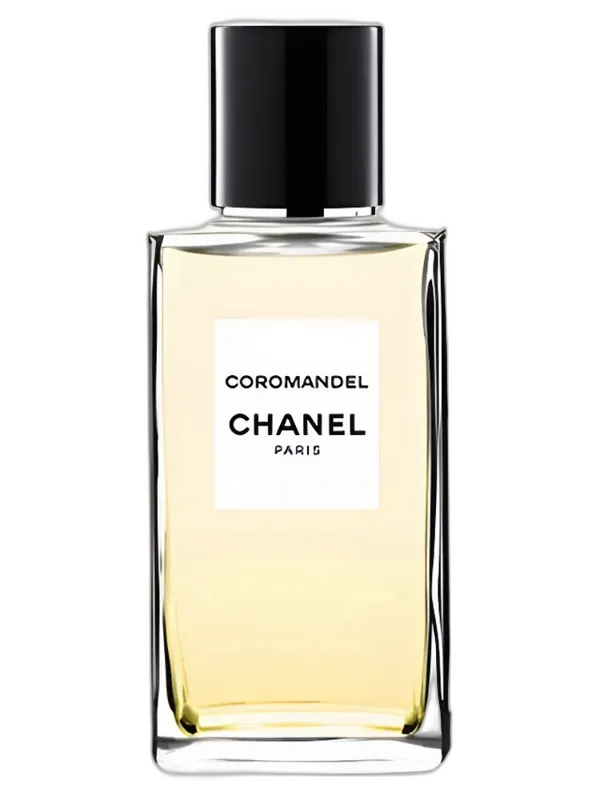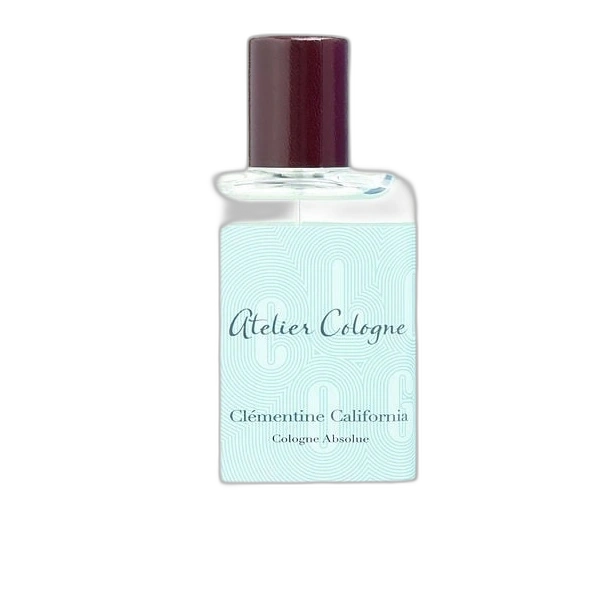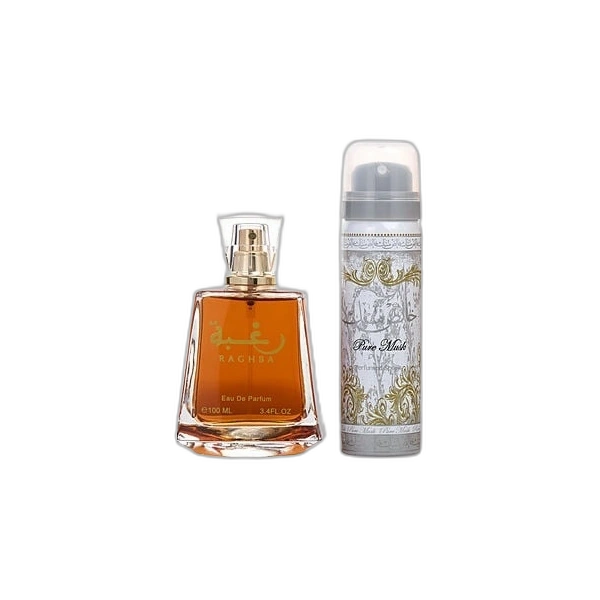
What defines this edit
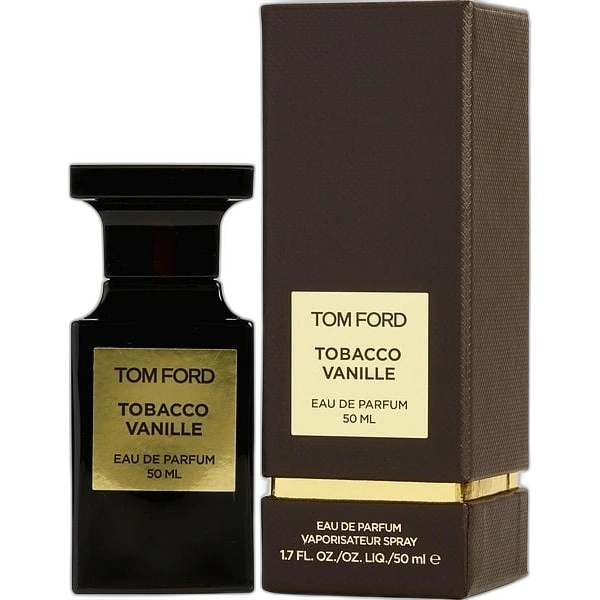
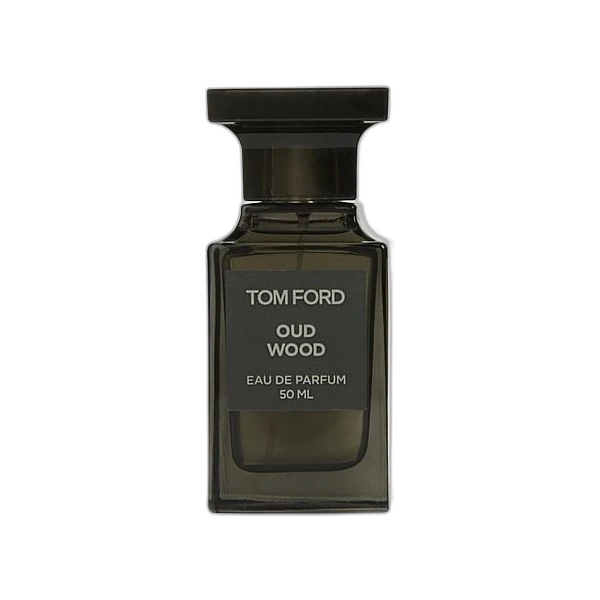
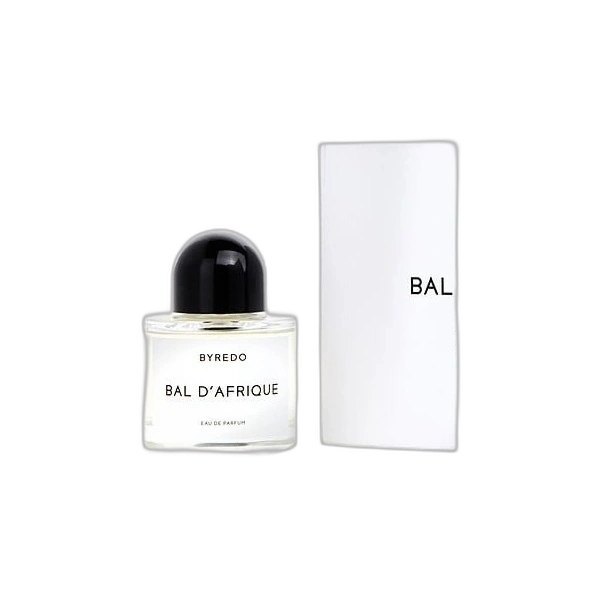
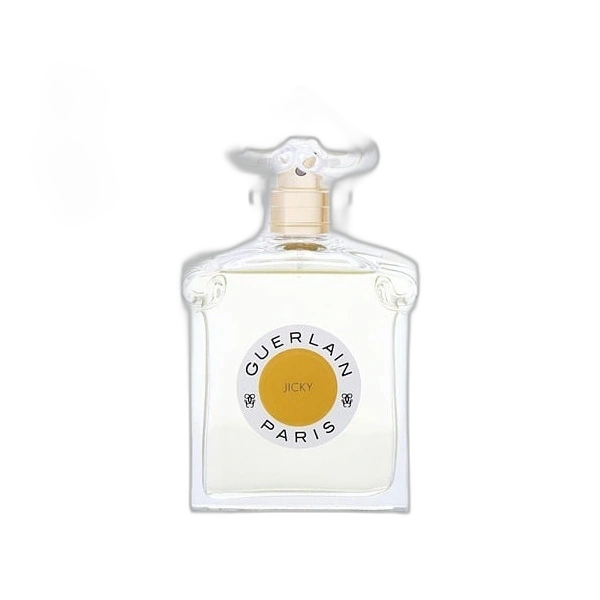
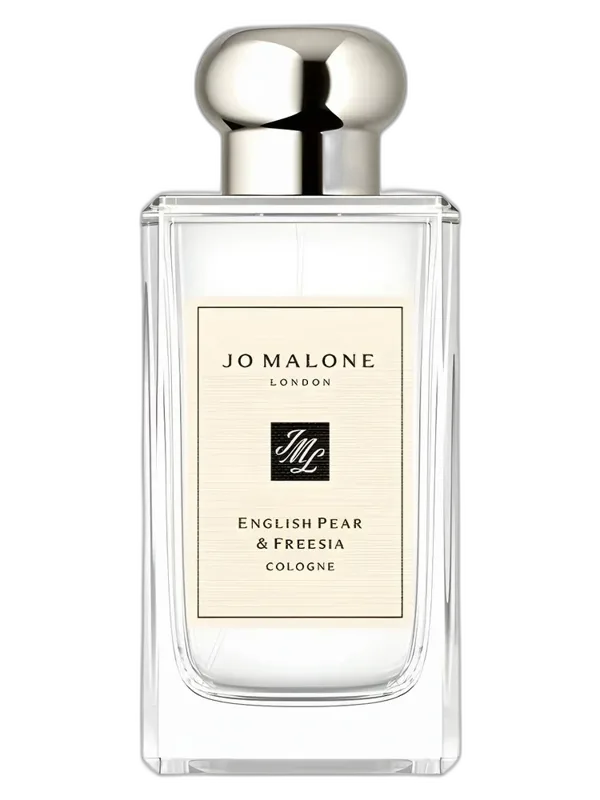
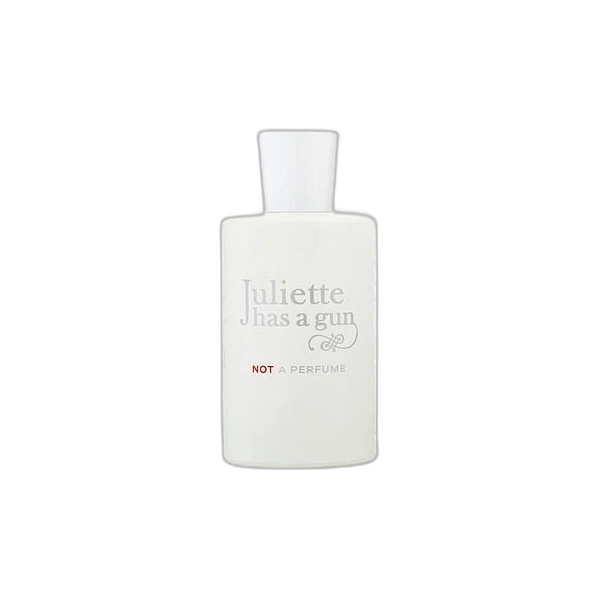
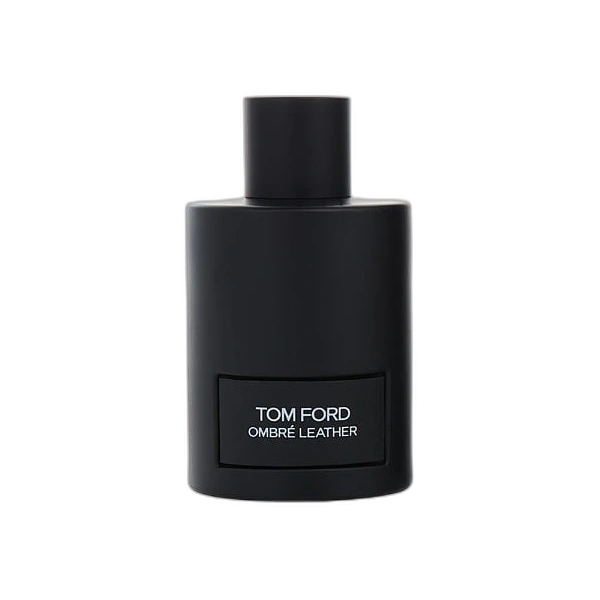
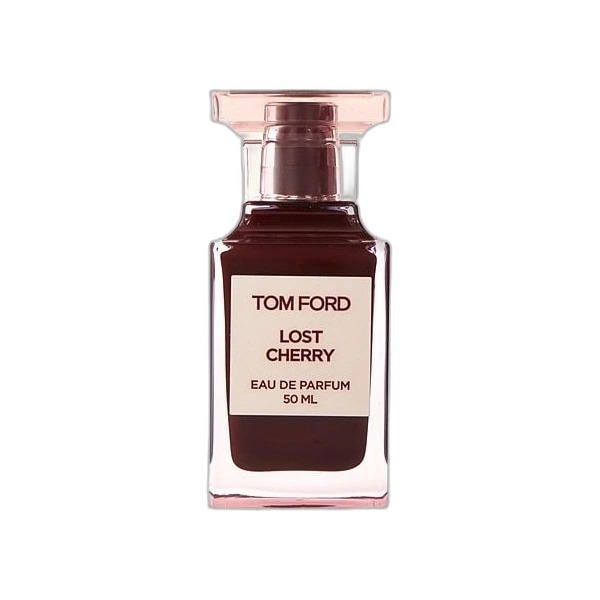
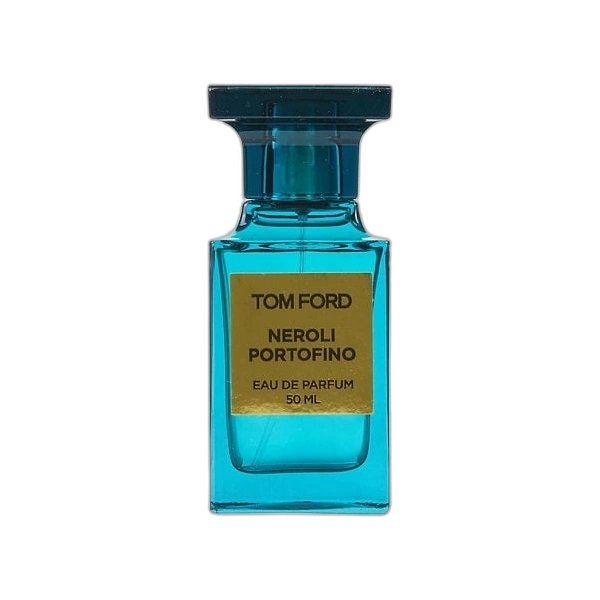
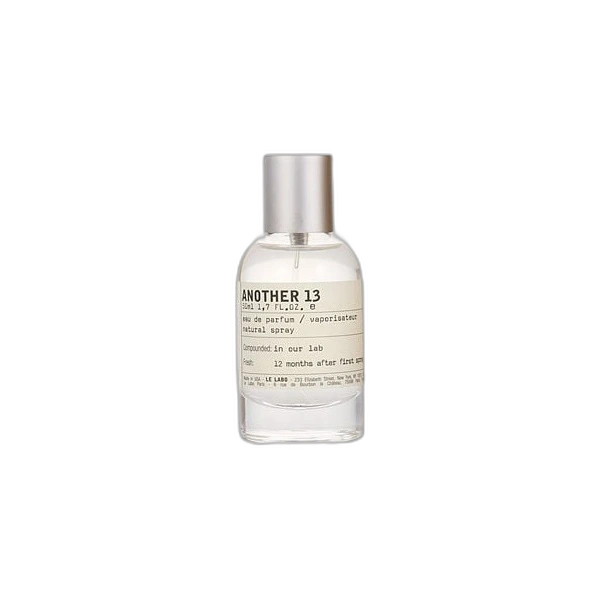
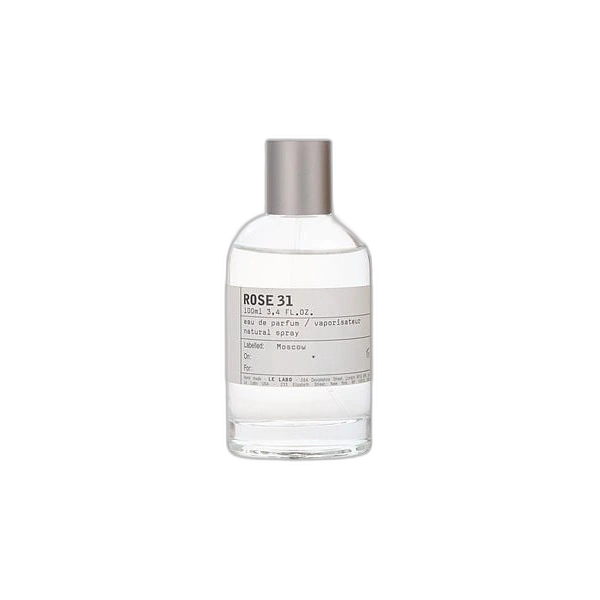
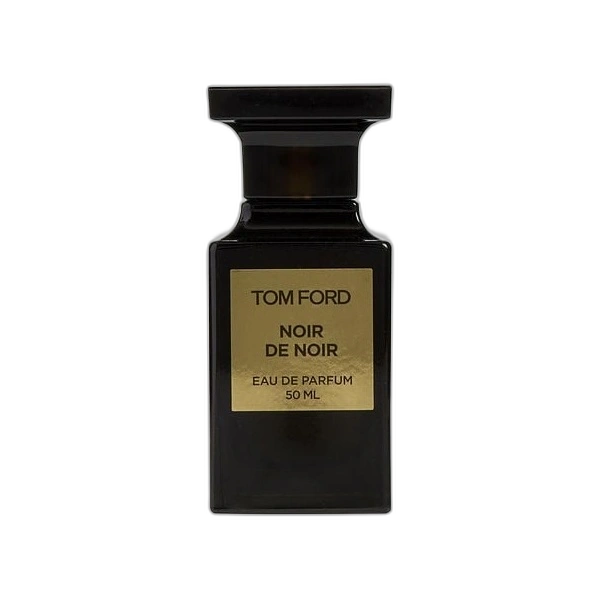
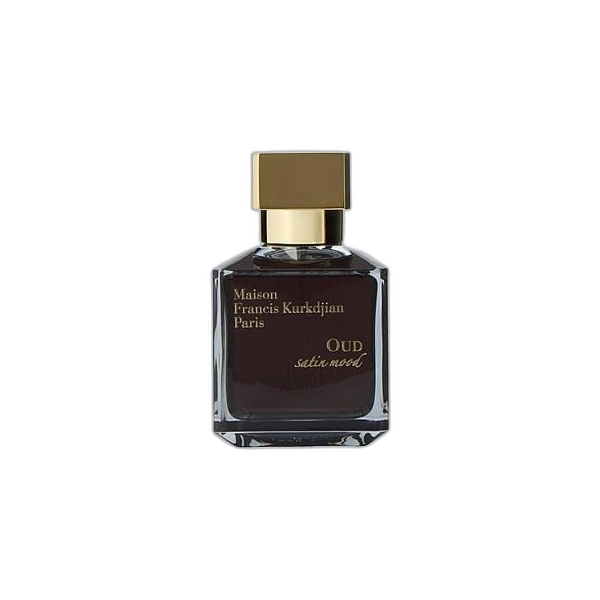
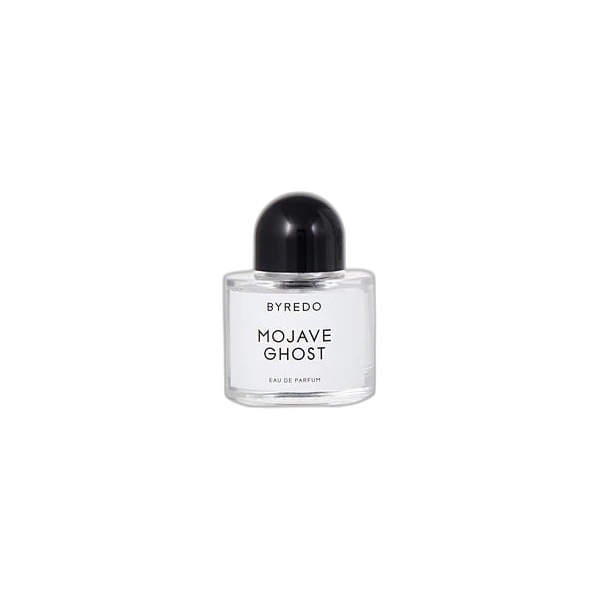
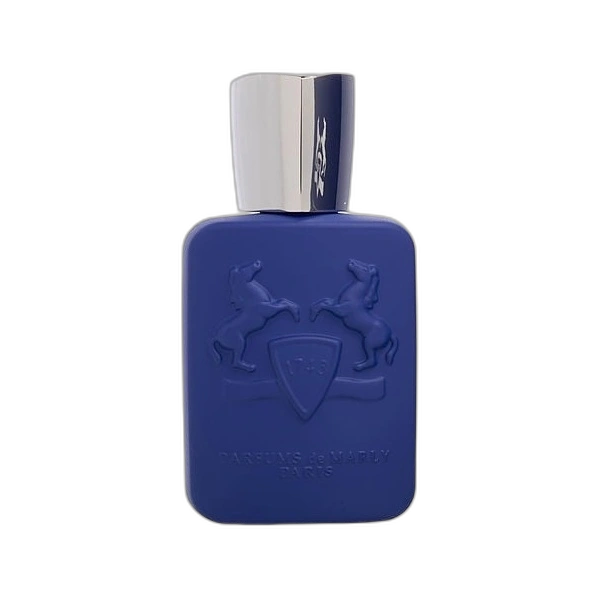
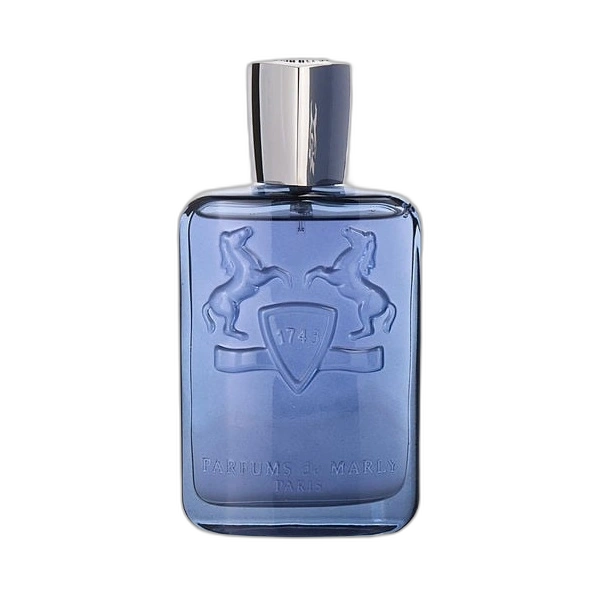
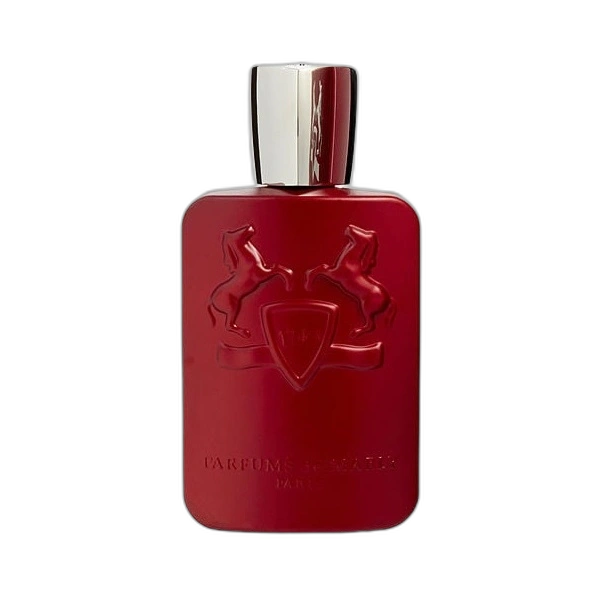
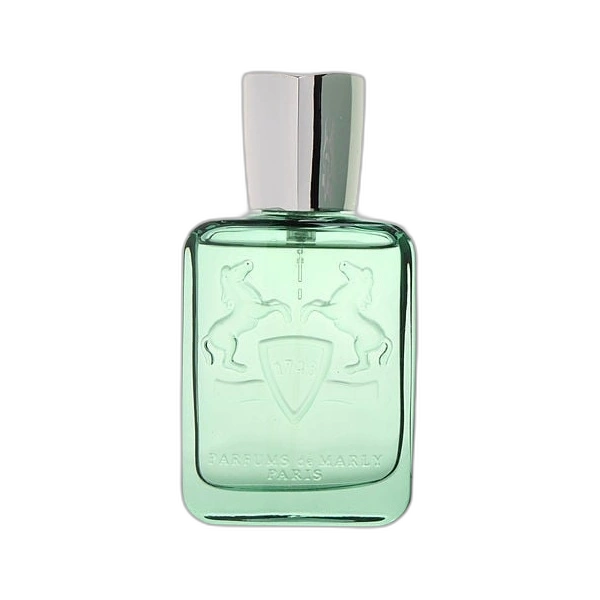
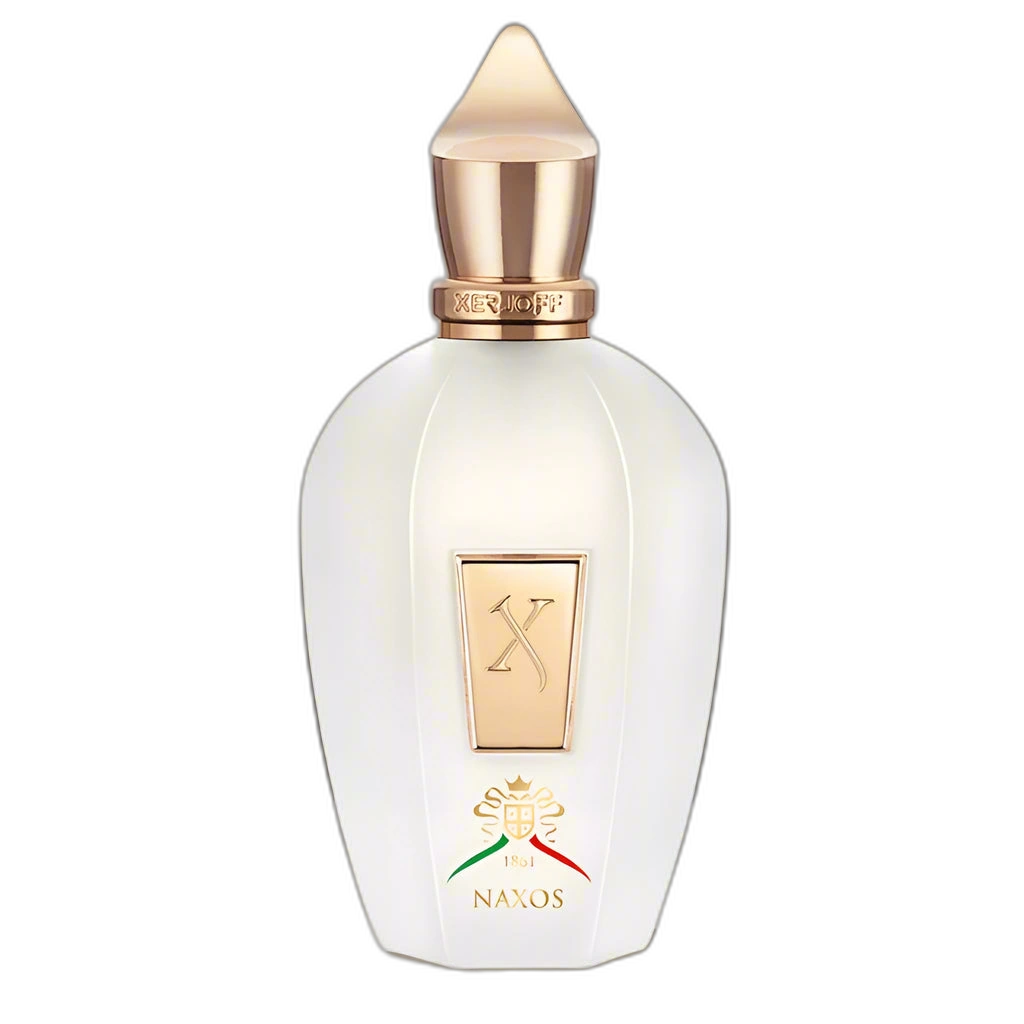
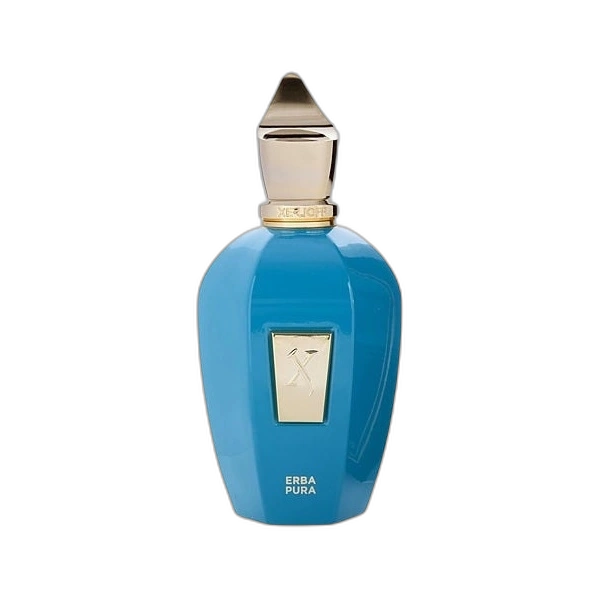
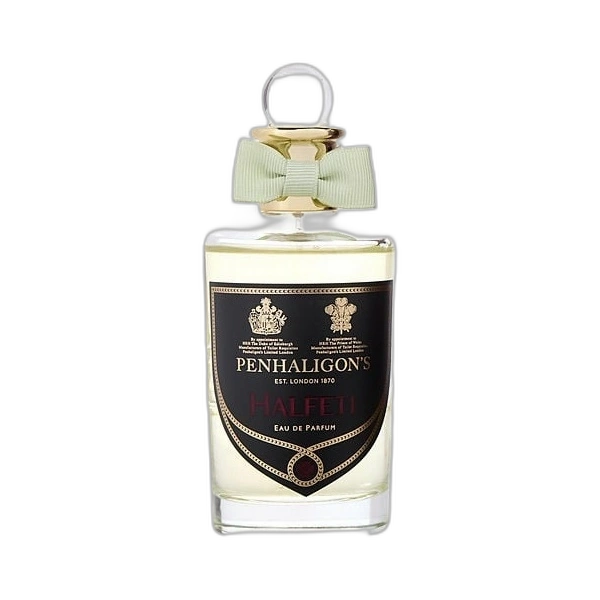
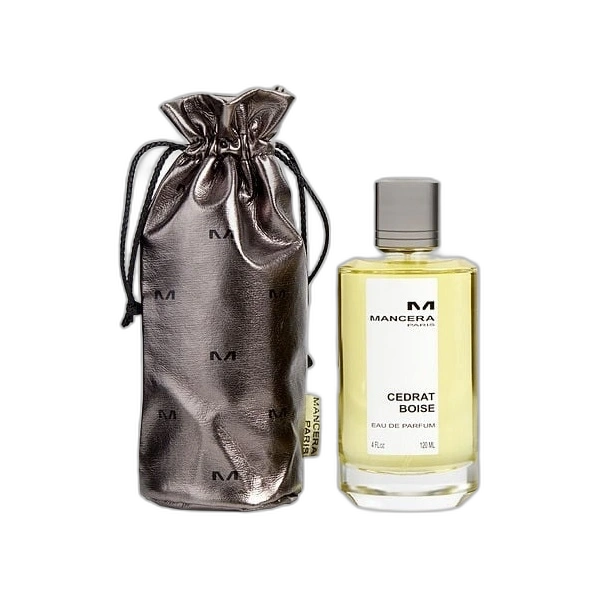
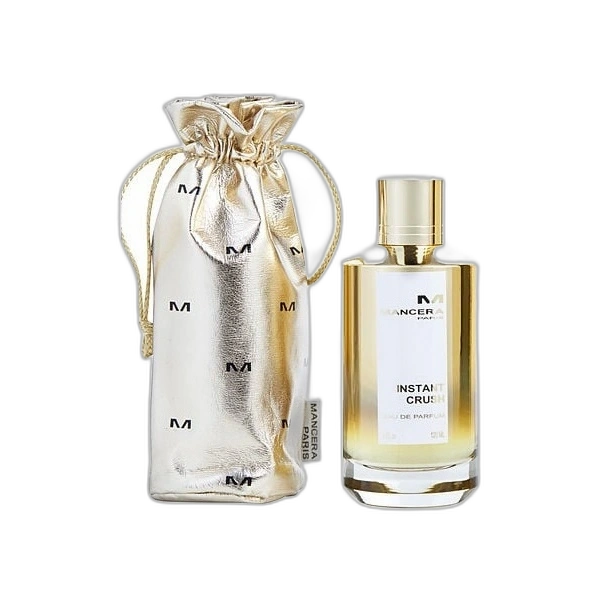
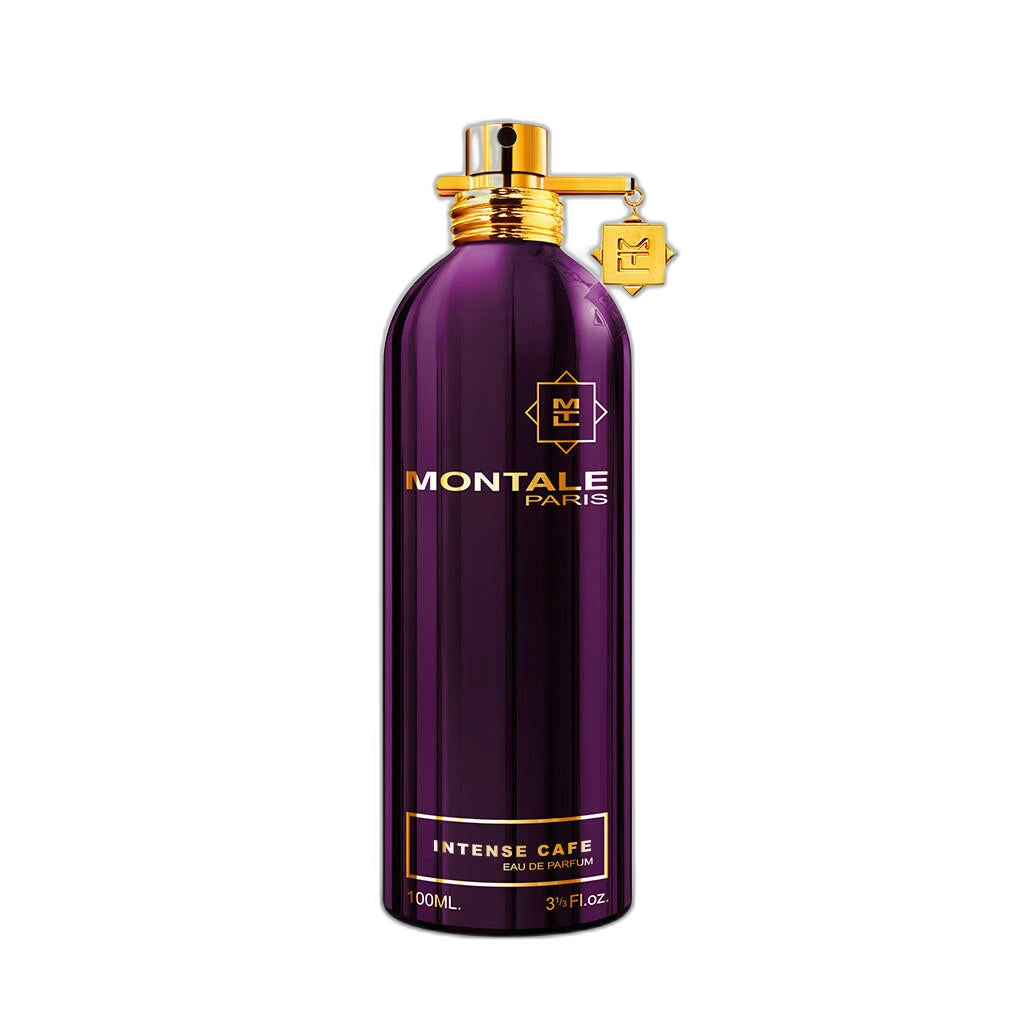
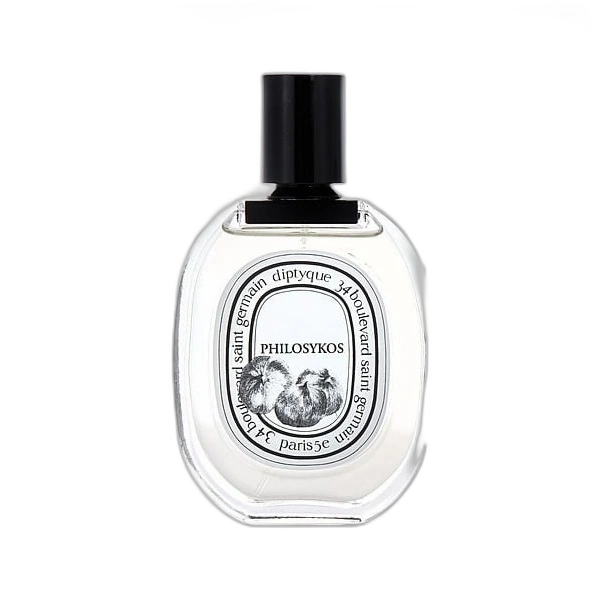
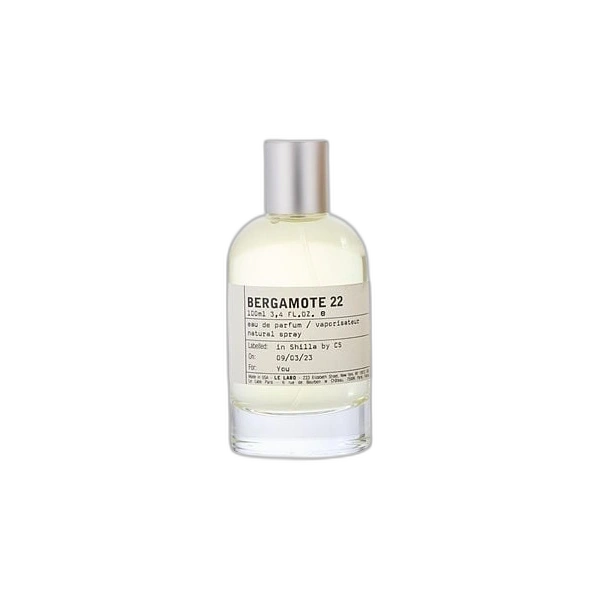
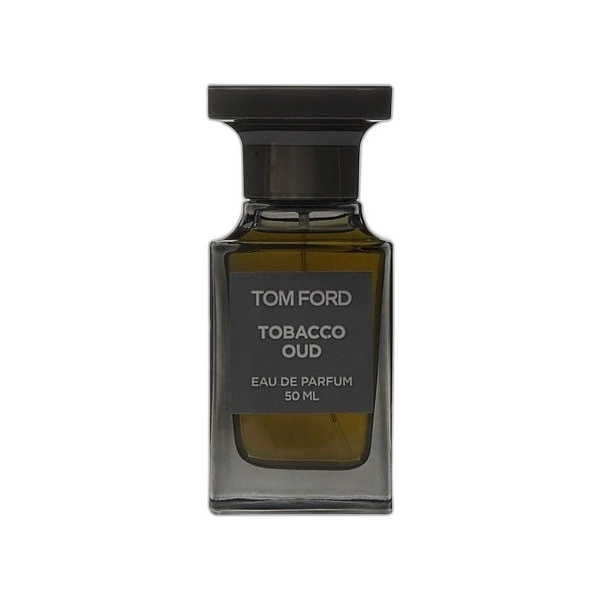
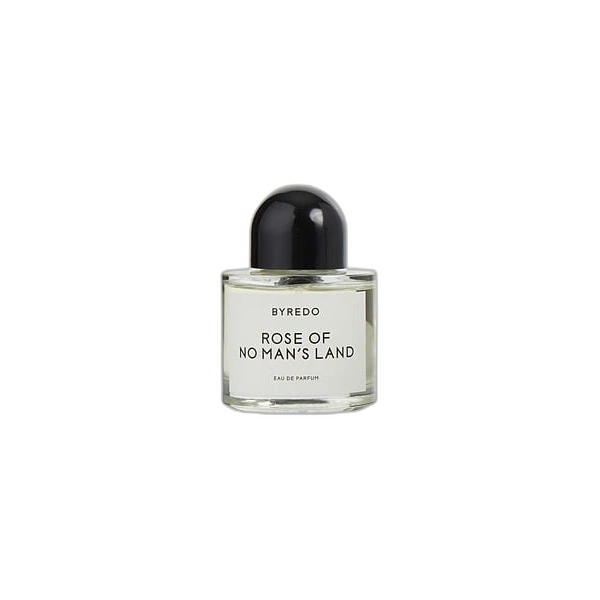
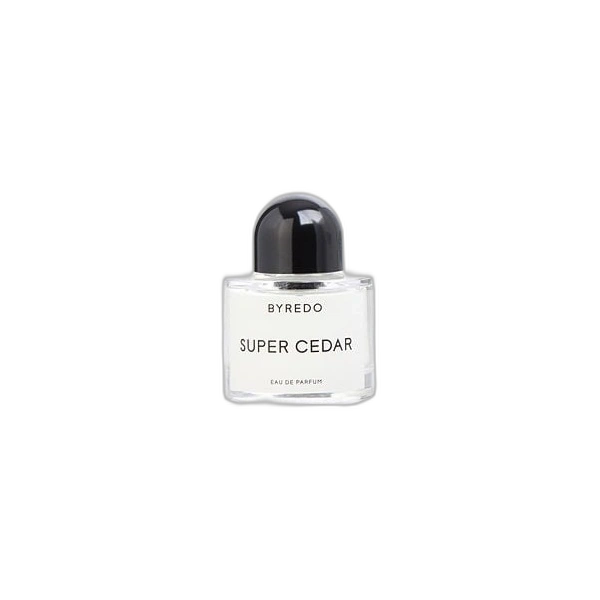
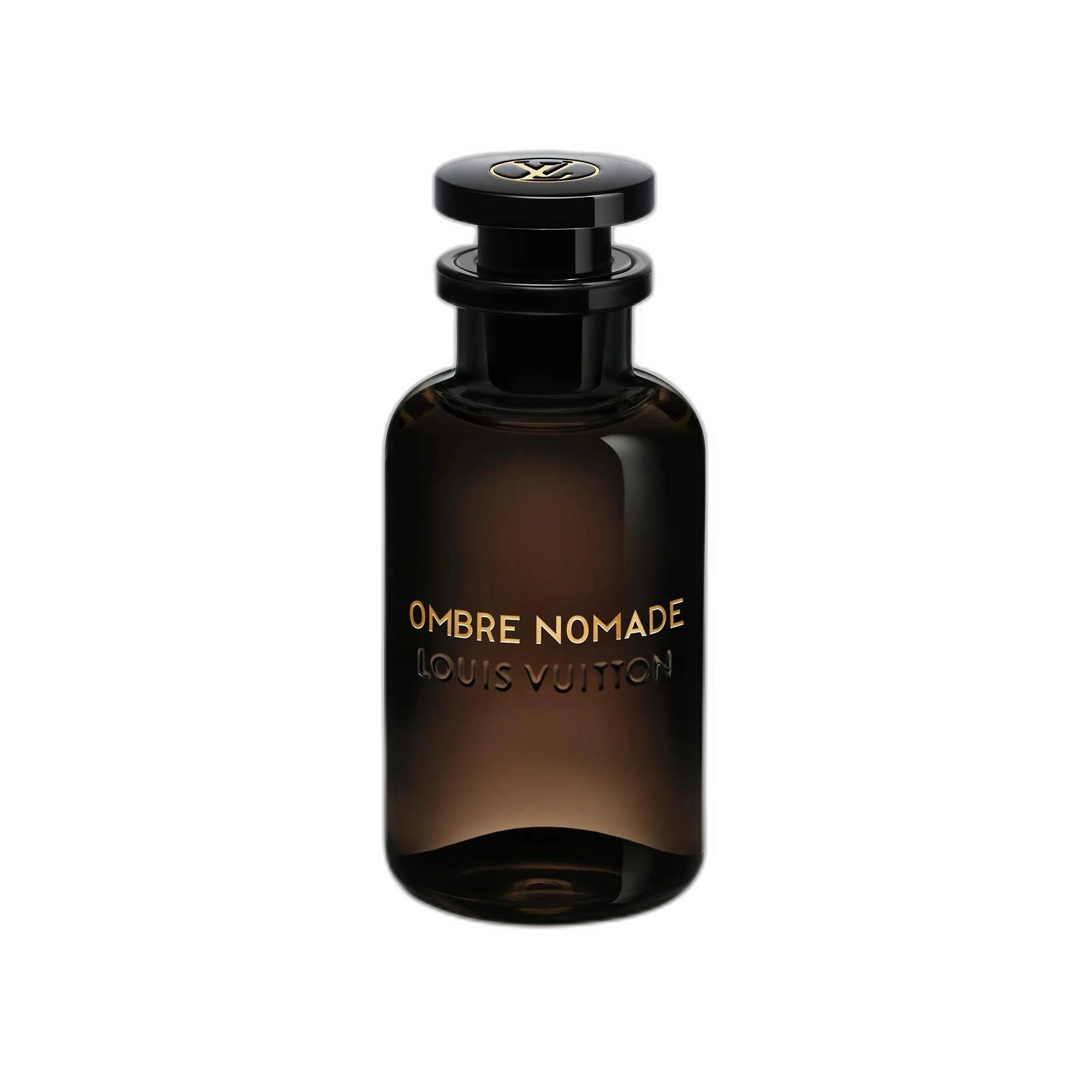
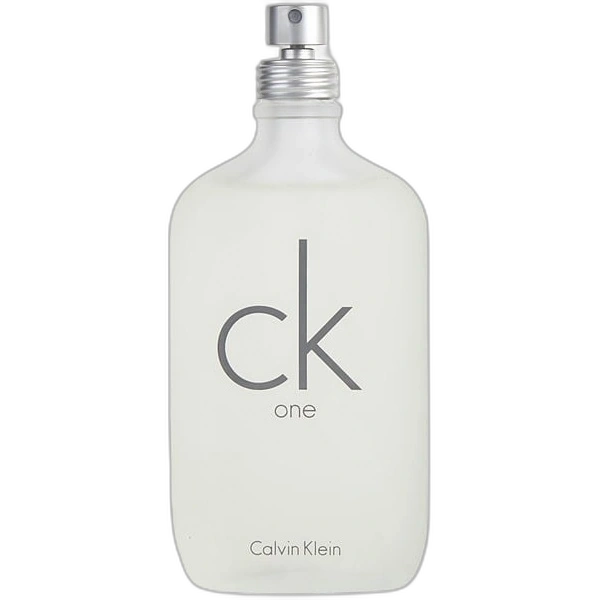
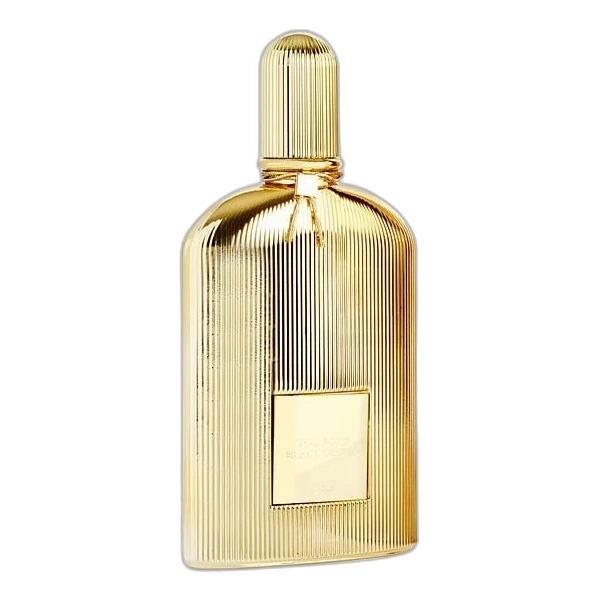
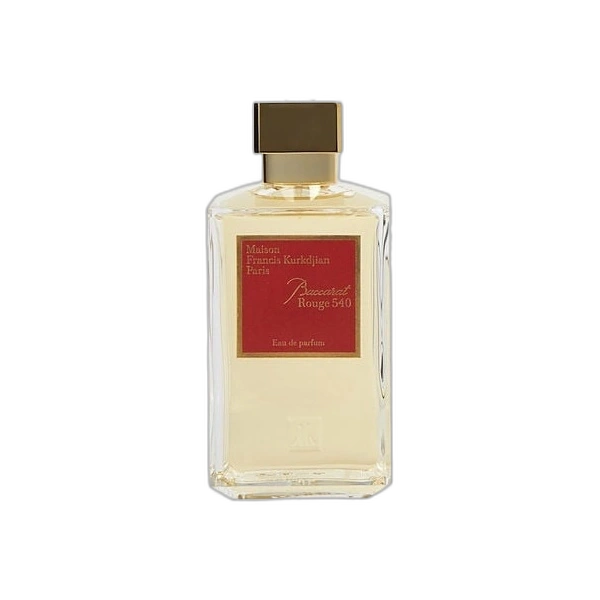
Before the twentieth century, most perfumes were shared: colognes, floral waters, Guerlain's Jicky in 1889. The strict split between feminine and masculine is largely a construct of couture house marketing. In 1994, Calvin Klein's CK One openly claimed to be a perfume for everyone and turned that into a generational statement. Niche perfumery, which grew from the 2000s, widely adopted this approach: Le Labo, Byredo, Tom Ford Private Blend, Maison Francis Kurkdjian and Parfums de Marly present many of their creations as unisex. In our selection, nearly ninety perfumes are unisex. Woods, ambers and leathers feature strongly, with materials such as sandalwood, oud, saffron and musk that escape classic gendered codes. To choose, trust the material rather than the label: a dry rose, a soft leather or a creamy wood can suit anyone, and the only real test is how it smells on your own skin after a few hours.