What does Amber smell like?
Amber smells, above all, warm. Picture a glowing resin with a faint smoky edge, softened by creamy vanilla and a powdery touch reminiscent of balsam and soft leather. Depending on the dose it can lean toward caramel, beeswax or the balmy tone of polished old wood. On skin the accord unfolds slowly, gaining roundness as the hours pass before settling into a sensual, almost carnal base that seems to merge with body heat.
Origin and production
Amber in perfume has nothing to do with fossil amber, the odourless resin used in jewellery, nor with ambergris, a marine concretion. The amber accord is a perfumer's construction that emerged in the late nineteenth century, drawing on old oriental balsams. Its classic skeleton pairs labdanum, a gum taken from Spanish rockrose, with vanilla or synthetic vanillin, benzoin from Laos and sometimes styrax. The great French orientals of the early twentieth century turned it into a house signature.
How perfumers use it
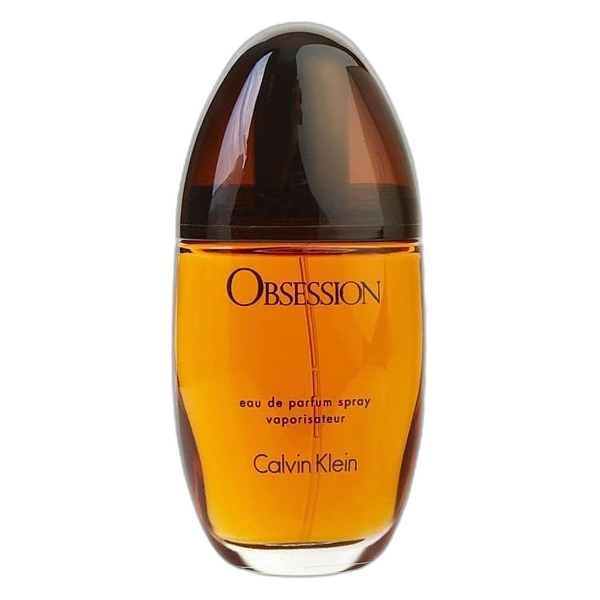
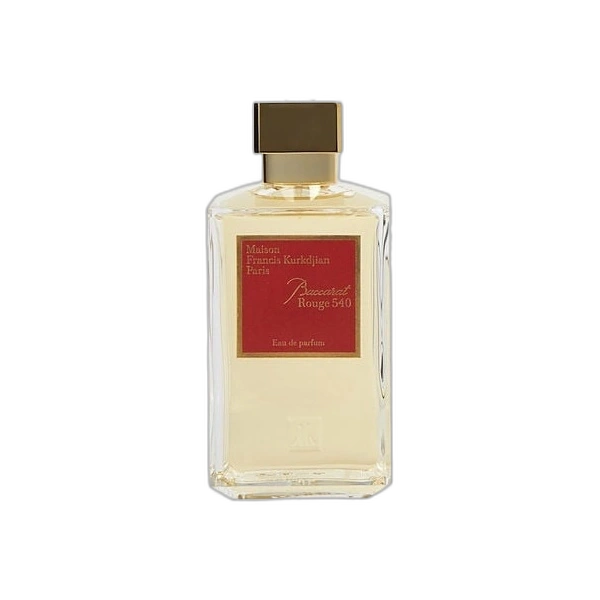
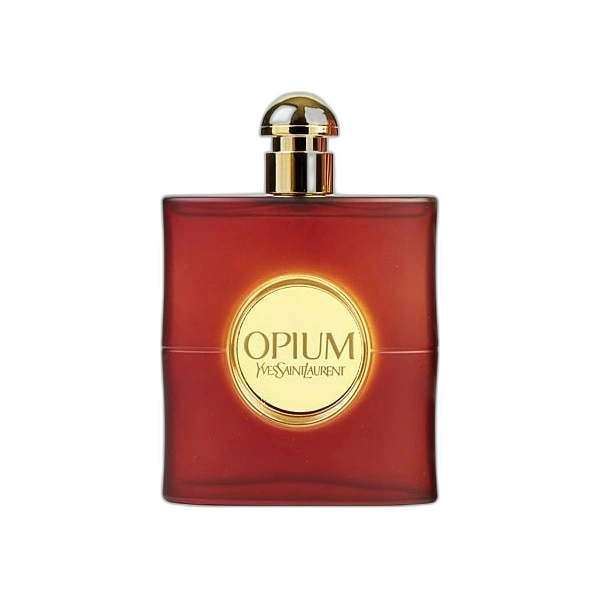
Almost always placed in the base, amber acts as a warm foundation: it anchors volatile notes and gives depth to spices, white flowers and woods. Paired with vanilla and incense it defines big orientals such as Opium by Yves Saint Laurent or Obsession by Calvin Klein. In a modern, airier reading it turns luminous and mineral in Baccarat Rouge 540 by Maison Francis Kurkdjian. Its effect never changes: it wraps, rounds off and extends everything around it.
How to wear it
Amber is best worn in autumn and winter, in the evening or in cold weather. It appeals to anyone who likes warm, sensual, long-lasting fragrances, regardless of gender.