What does Vetiver smell like?
Vetiver is a many-faceted material: earthy and damp like a freshly pulled root, woody and dry, smoky, with a roasted-hazelnut note and a green freshness close to grapefruit. Depending on the origin it is cleaner and brighter or darker and smokier. On skin it is highly tenacious, rounding out over the hours into a clean, refined woody base that stays close yet persistent.
Origin and production
Vetiver, Chrysopogon zizanioides, is a grass native to India whose deep roots are dried and then steam-distilled. Haiti is now the leading producer, with a clean, bright vetiver; Java gives a smokier grade, and Réunion a historically prized Bourbon vetiver. Vetiveryl acetate, a softer derivative, is also made from it. Present in many classics, vetiver has become a pillar of masculine and woody perfumery.
How perfumers use it
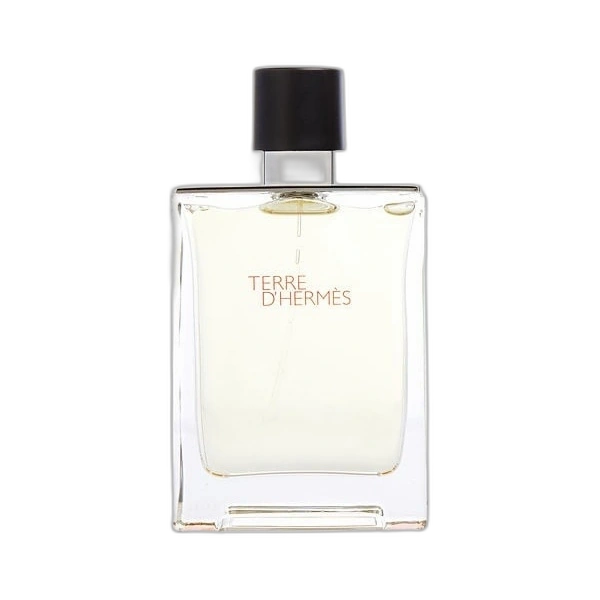
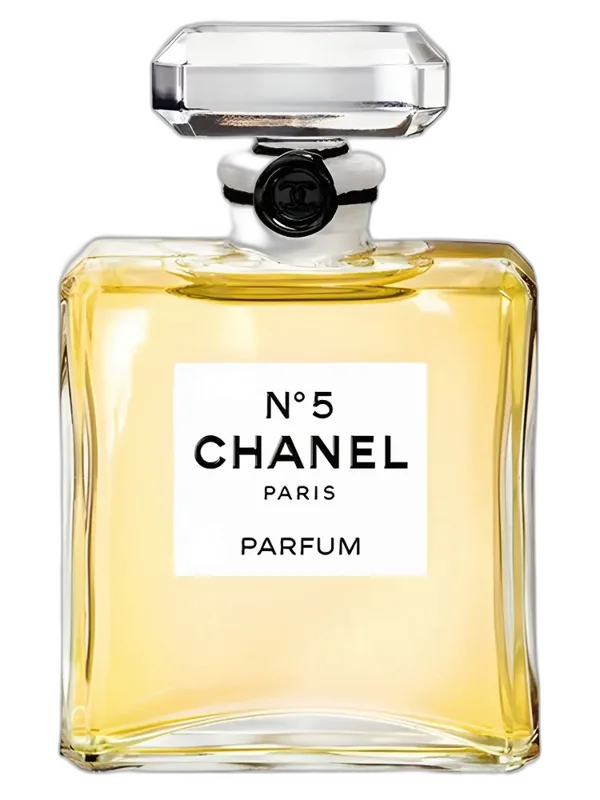
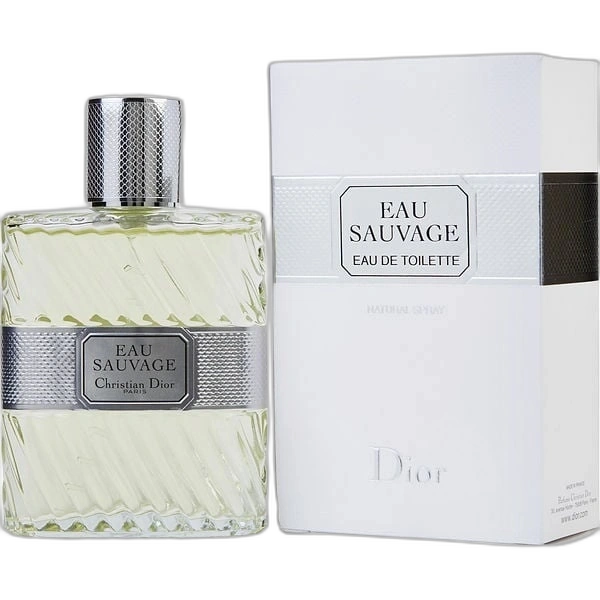
Mostly placed in the base, vetiver structures and dries a composition. It pairs with citrus, cedar, iris, pepper, patchouli and oakmoss. Terre d'Hermès combines it with orange and cedar for a mineral woodiness; Dior's Eau Sauvage sets it beneath a citrus freshness, and Chanel N°5 uses it discreetly in the base beside sandalwood and vanilla. It is one of the most versatile base notes, as comfortable in fresh colognes as in dark chypres.
How to wear it
Vetiver works all year round, at the office or at night. It appeals to lovers of elegant, woody, natural-feeling fragrances without excess sweetness.