The story of Dior
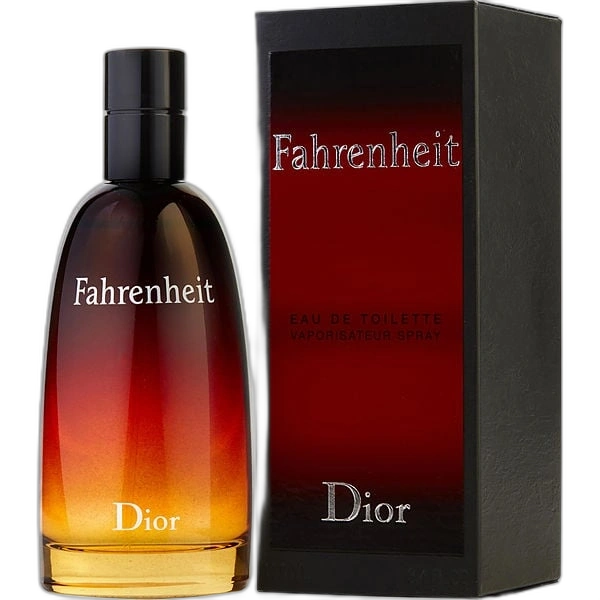
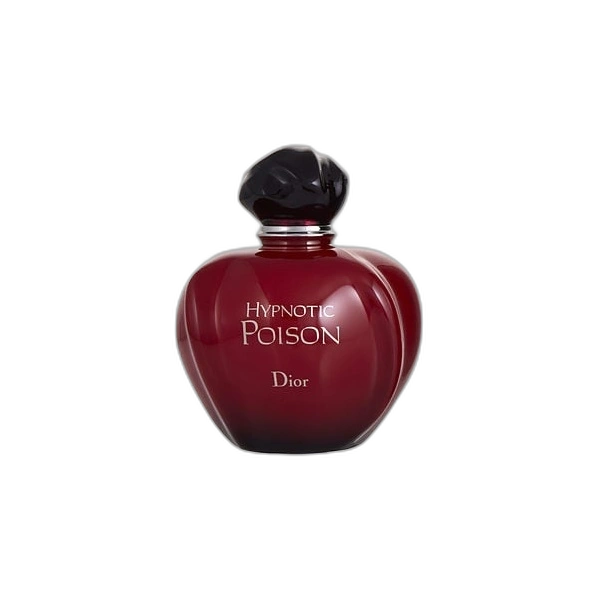
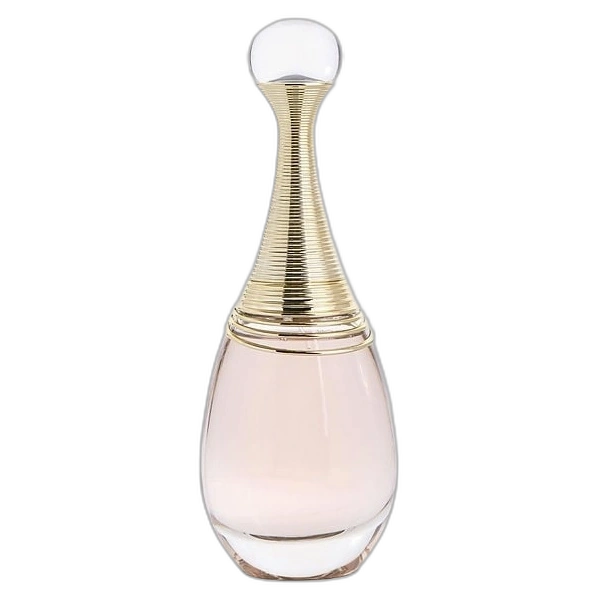
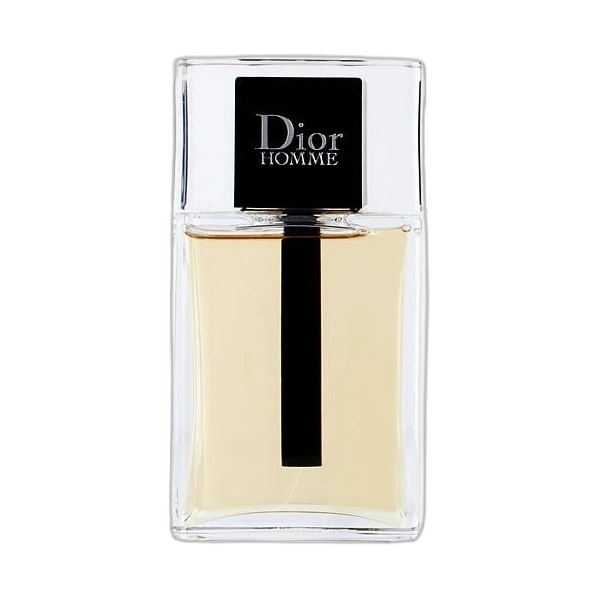
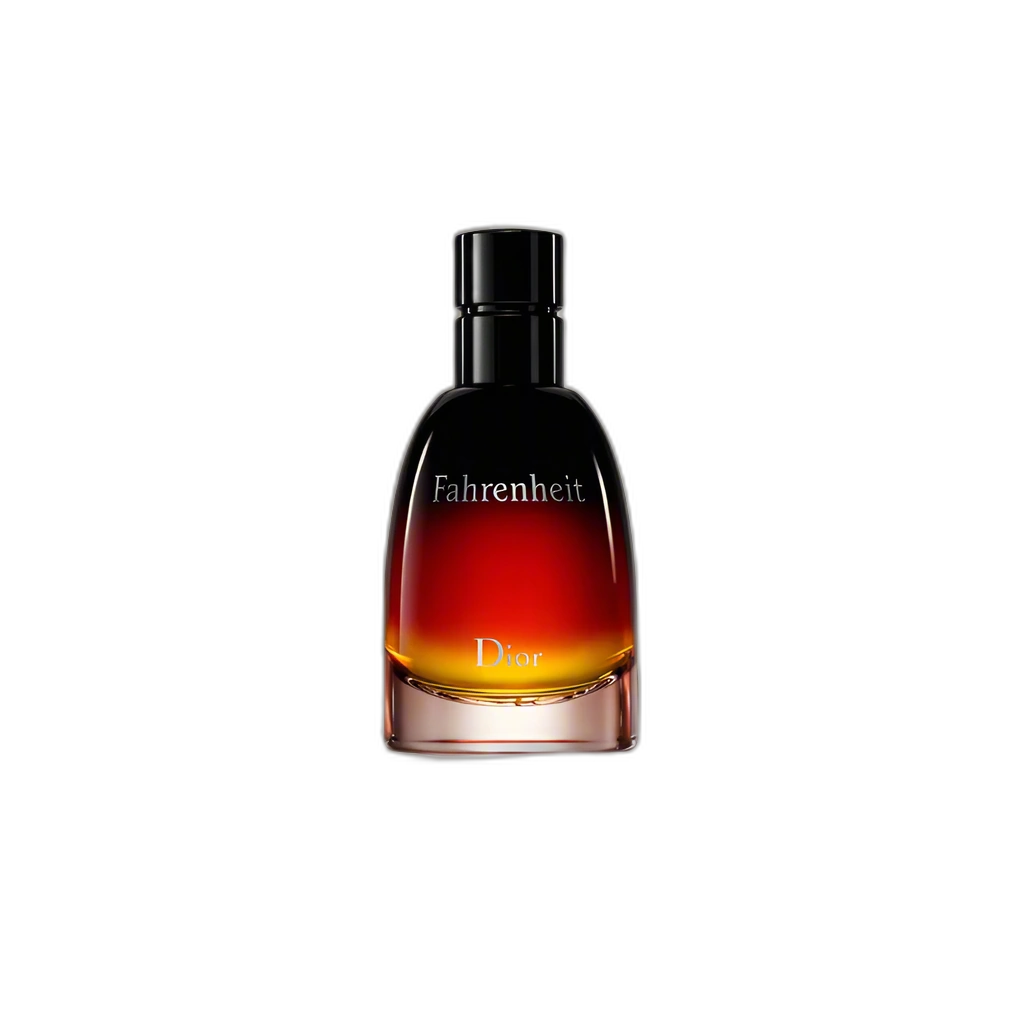
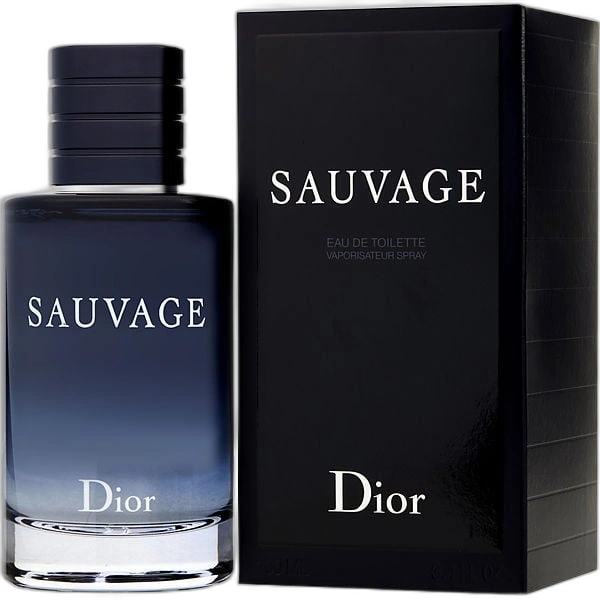
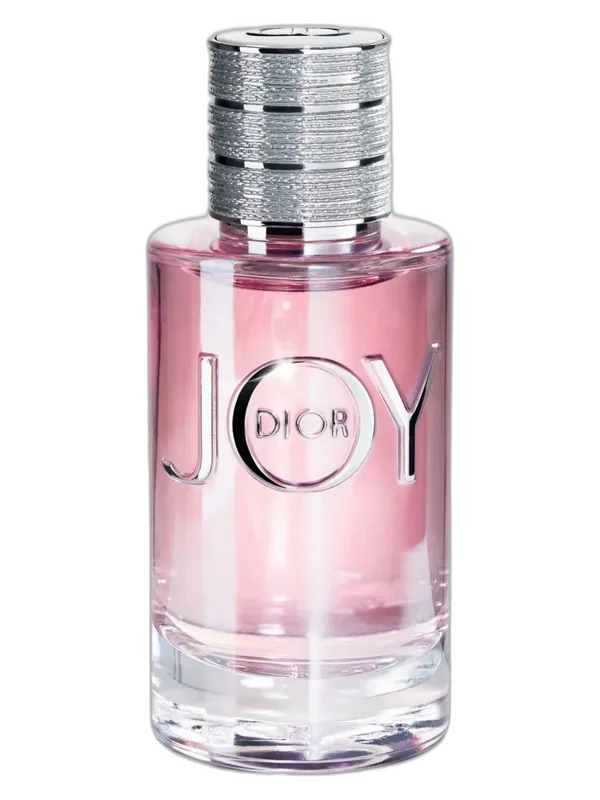
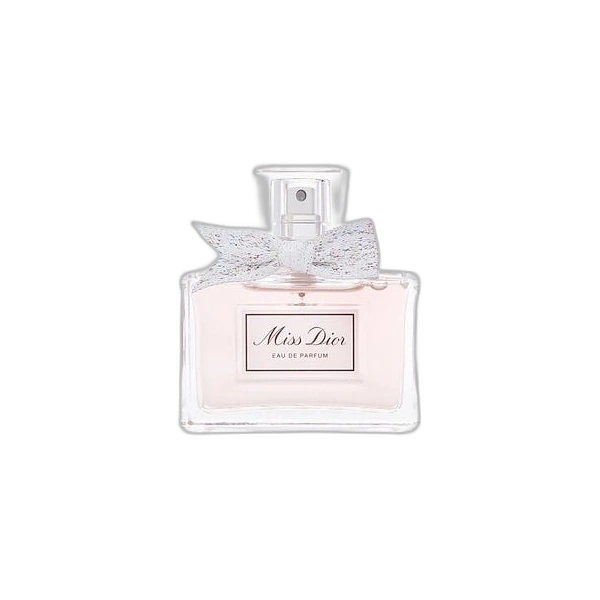
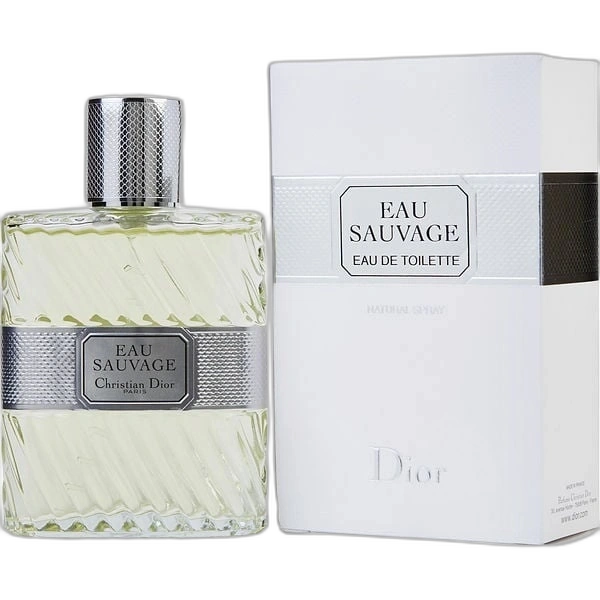
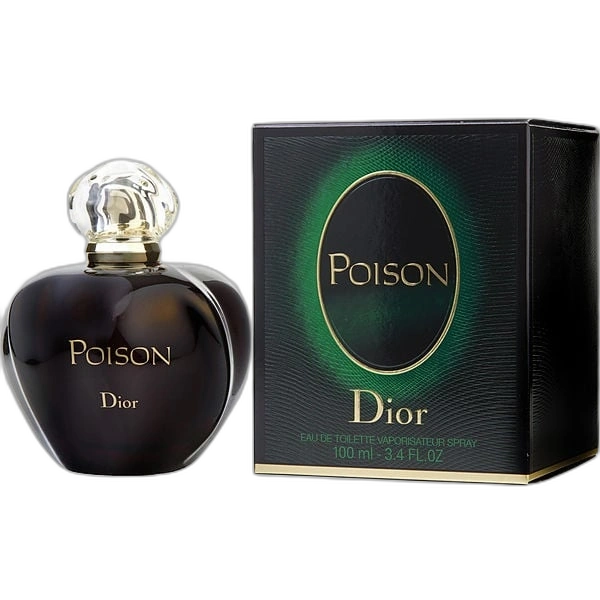
Christian Dior founded his house at the end of 1946 and unveiled the New Look in 1947. That same year saw the birth of Parfums Christian Dior and Miss Dior, a chypre by Jean Carles and Paul Vacher. Edmond Roudnitska then shaped the house with Diorissimo and Eau Sauvage (1966), an aromatic citrus that redefined masculine freshness. Poison (1985), heady and provocative, Fahrenheit (1988), with its strange petrol-tinged violet, and J'adore (1999), a sunny floral bouquet by Calice Becker, marked the following decades. Dior Homme, in 2005, introduced a cocoa-tinged iris by Olivier Polge. François Demachy, the house perfumer, created Sauvage (2015), now one of the best-selling masculines in the world, as well as Dior Joy (2018). Francis Kurkdjian succeeded him in 2021. The house belongs to LVMH.
An olfactory signature
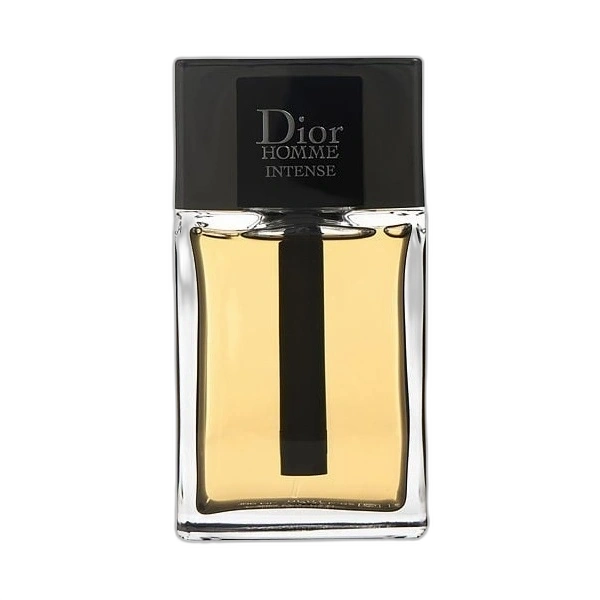
Dior moves between two poles. On the feminine side, jasmine and rose are everywhere, from Miss Dior to Dior Joy, often enriched with white flowers (the tuberose of Poison and Hypnotic Poison) or fruit (the pear and melon of J'adore). On the masculine side, the house loves contrast: iris and cocoa in Dior Homme, violet and leather in Fahrenheit, peppers and ambroxan in Sauvage. Oakmoss and patchouli recall the house's chypre heritage.
Which Dior perfume to choose?
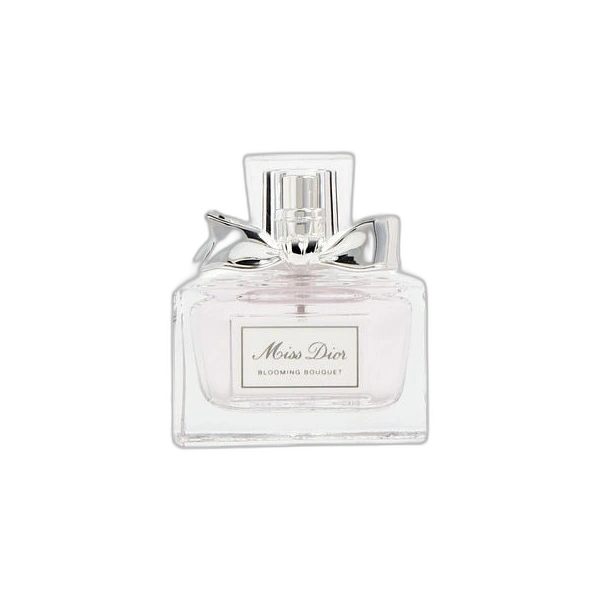
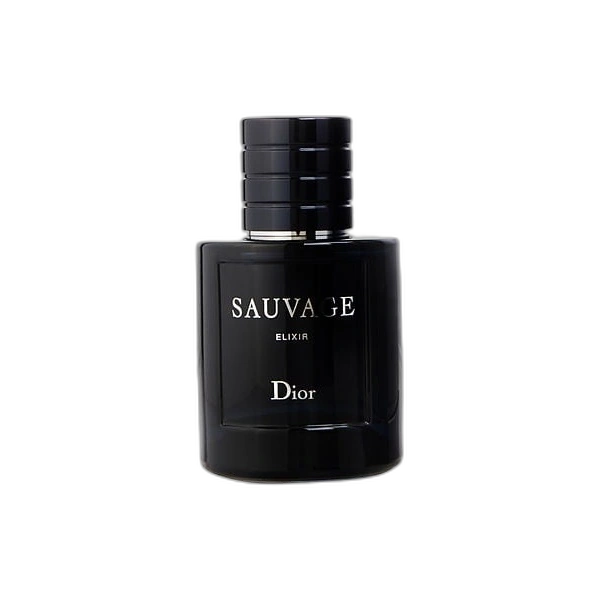
For a versatile masculine, pick Sauvage; for something richer, Sauvage Elixir. Dior Homme or Dior Homme Intense suit iris lovers. Fahrenheit and Fahrenheit Le Parfum offer a singular leather-violet, Eau Sauvage a citrus classic. For women, J'adore is the sunny floral, Miss Dior the chypre, Hypnotic Poison an almond vanilla, while Dior Joy and Miss Dior Blooming Bouquet are lighter.