A short history
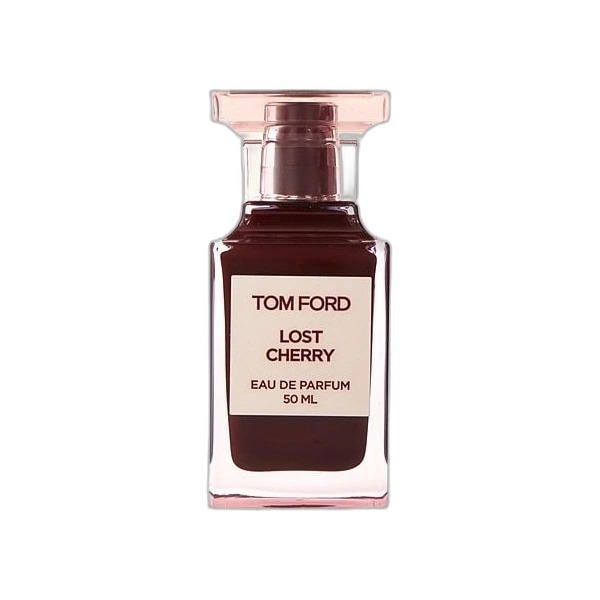
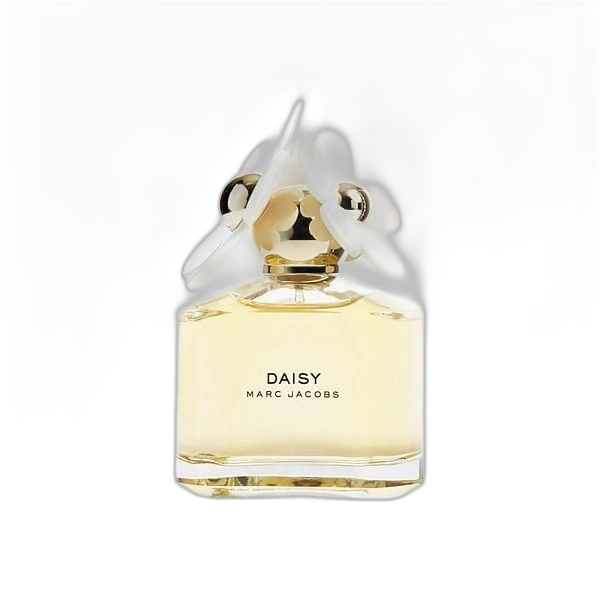
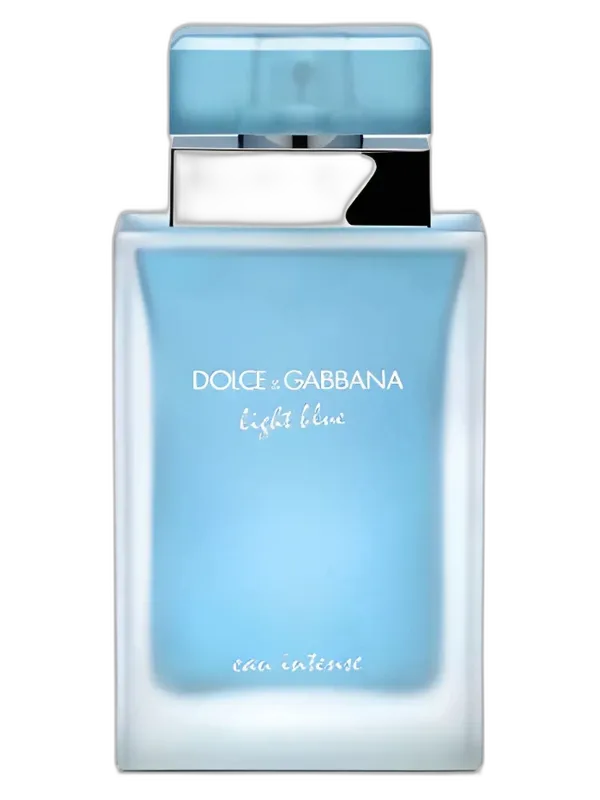
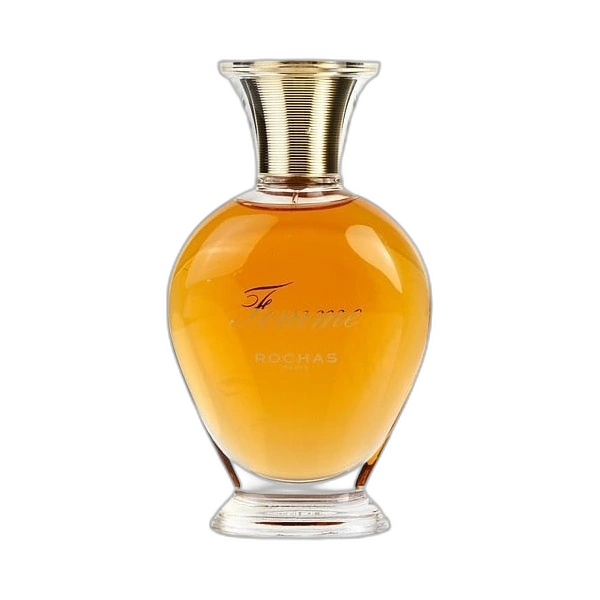
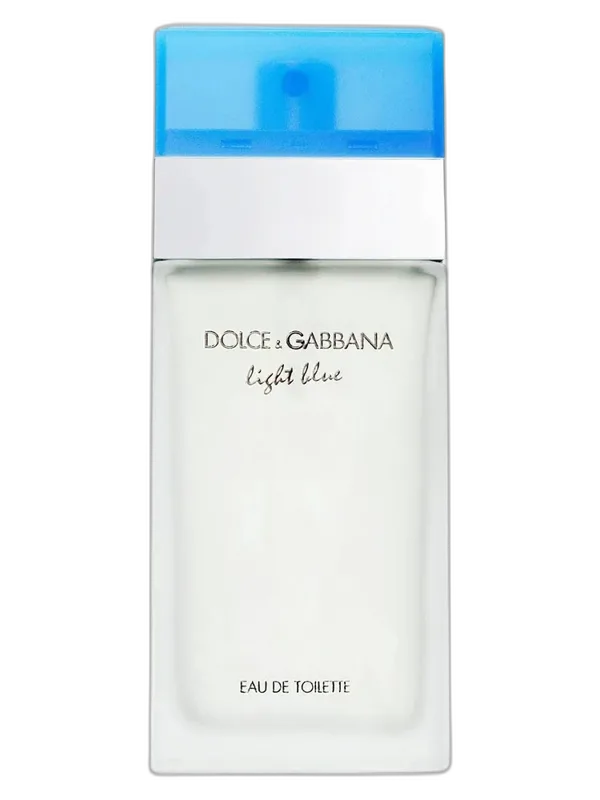
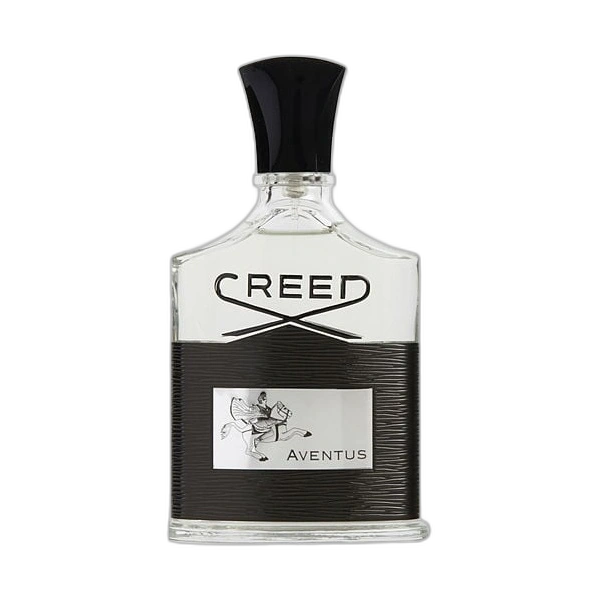
Fruit entered perfumery through synthetic lactones. Guerlain's Mitsouko, in 1919, owes part of its fame to the velvety peach of aldehyde C14 set over a chypre base. Edmond Roudnitska's Femme for Rochas, in 1944, extended the idea with a dark, spiced plum. For decades, fruit stayed a facet rather than a subject. Everything changed in the 1990s and 2000s, when the fruity floral became the dominant style of the women's market, with sheer, sparkling, easy perfumes such as Dolce & Gabbana Light Blue in 2001 or Marc Jacobs Daisy in 2007. On the men's side, Creed's Aventus in 2010 made smoky pineapple a cult note. More recently, Tom Ford's Lost Cherry showed that fruit could also turn dark, boozy and grown-up.
Sub-families
Fruity florals, the most common, pair light flowers with juicy fruit: pear, lychee, peach or raspberry. Fruity chypres, heirs to Mitsouko and Femme, set fruit over moss and patchouli. Fruity gourmands add sugar, praline or vanilla to cherry or pear. Fruity woods, more masculine, combine pineapple, apple or blackcurrant with dry woods, as in Aventus. Boozy fruits, finally, work plum, black cherry or fig with liqueur, tobacco and spice. The fruit chosen, and what surrounds it, decides whether a perfume reads playful or sophisticated.
How to wear it
Light fruity scents are daytime perfumes, perfect for spring and summer, and can be sprayed freely. Dark fruits such as black cherry, plum or fig are better kept for autumn and evenings. To avoid an overly sugary effect, choose a fruity perfume balanced by musk, woods or a green touch.