The story of Chanel
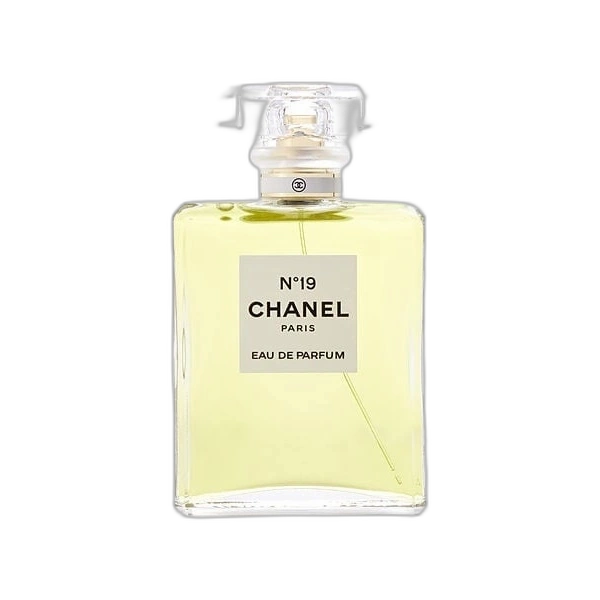
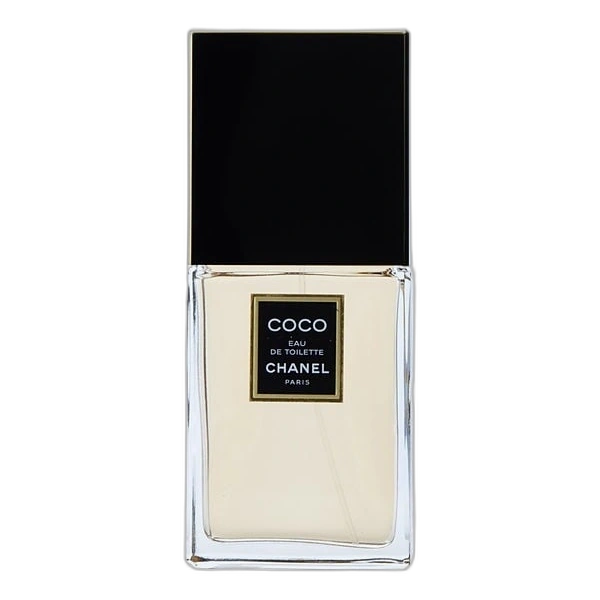
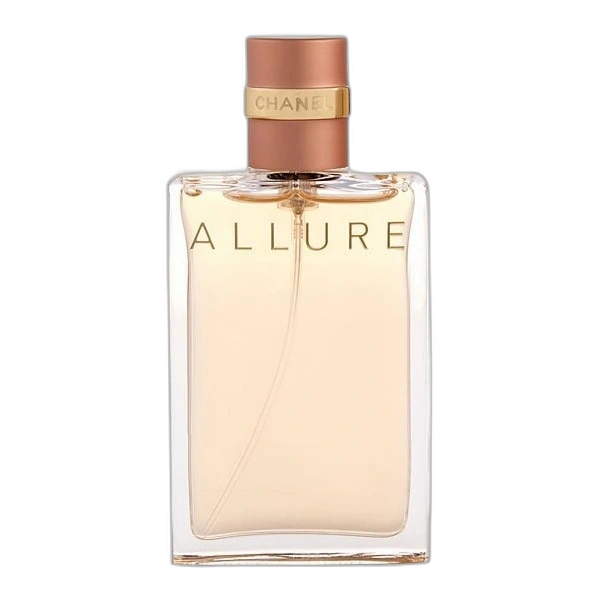
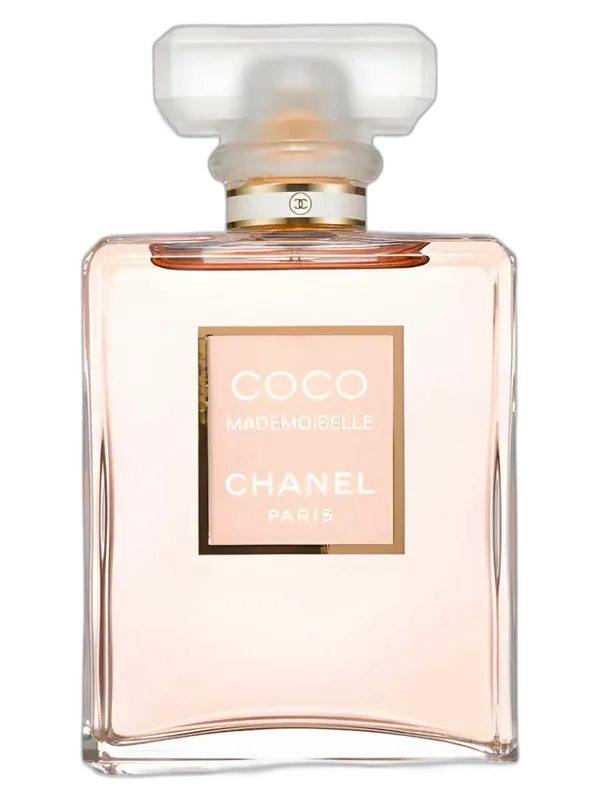
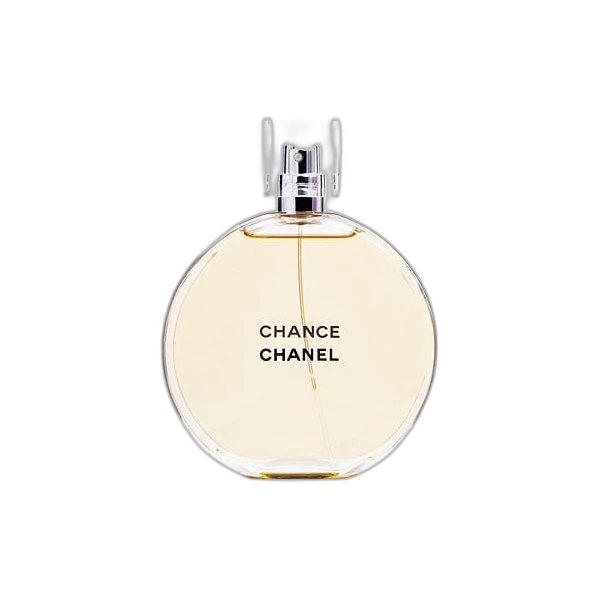
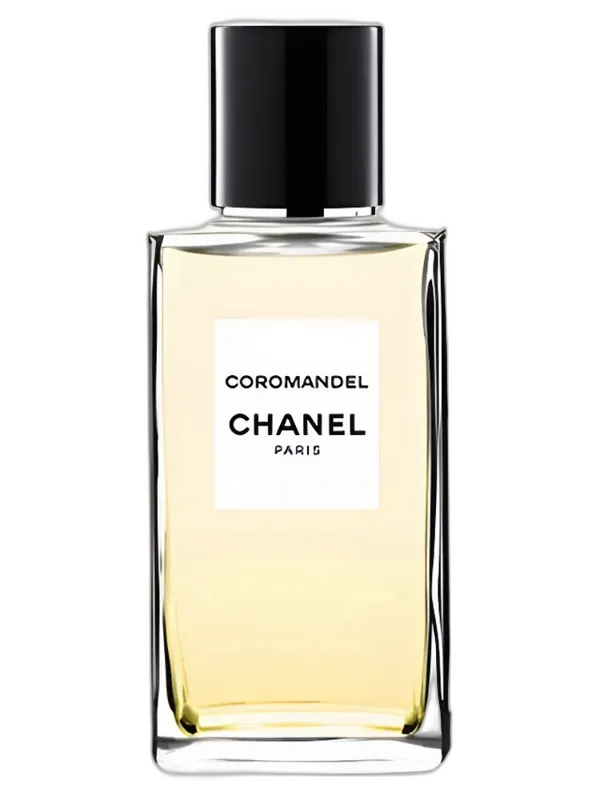
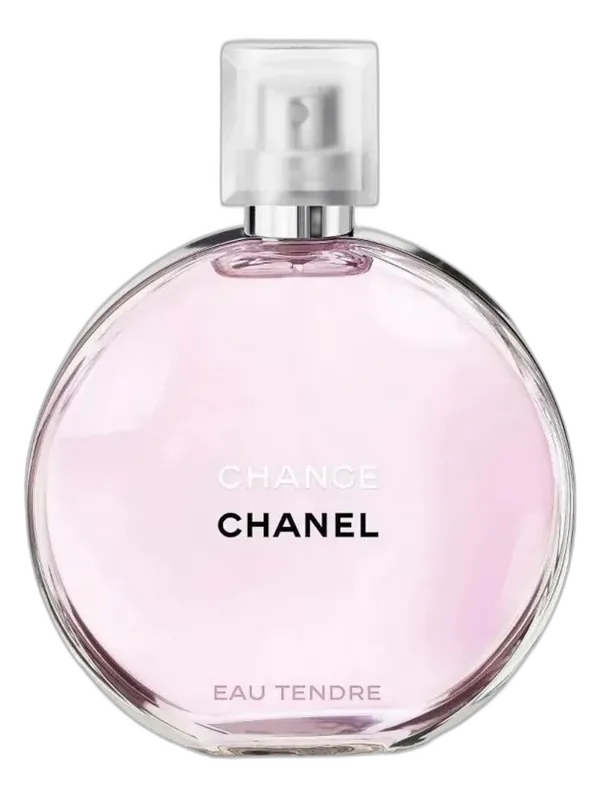
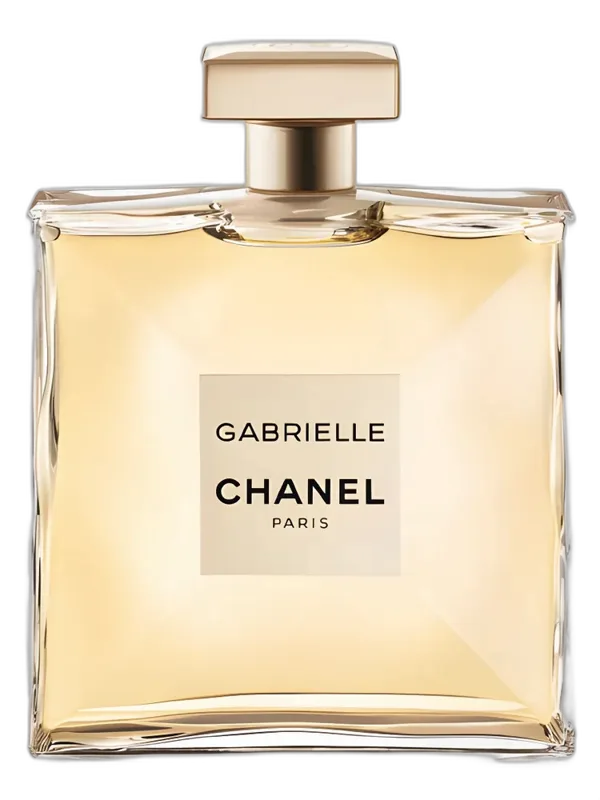
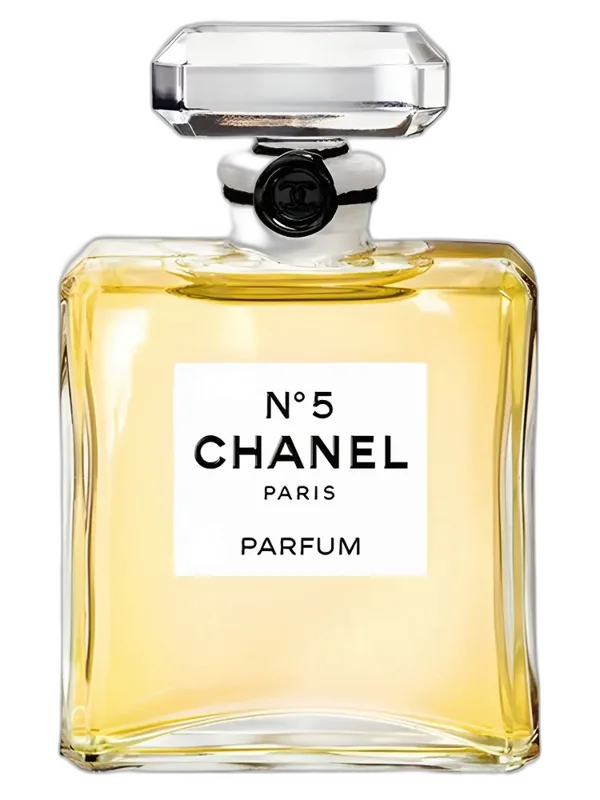
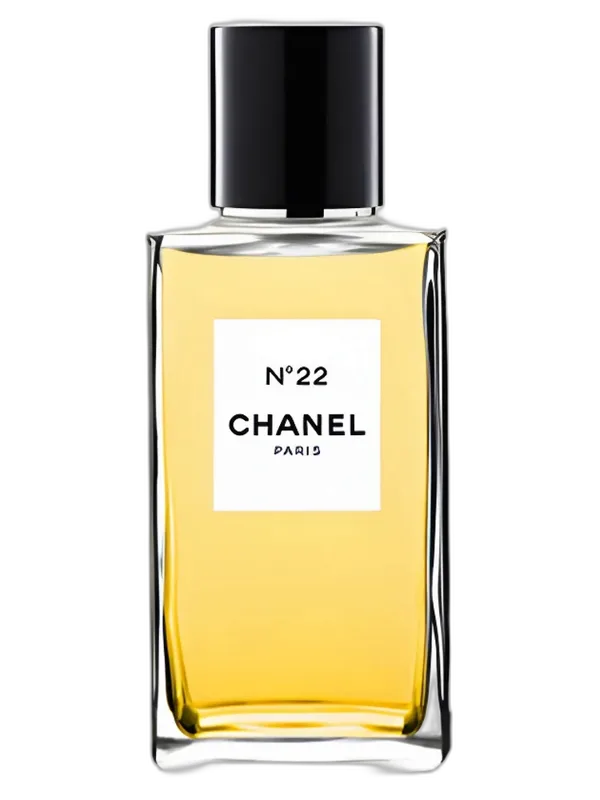
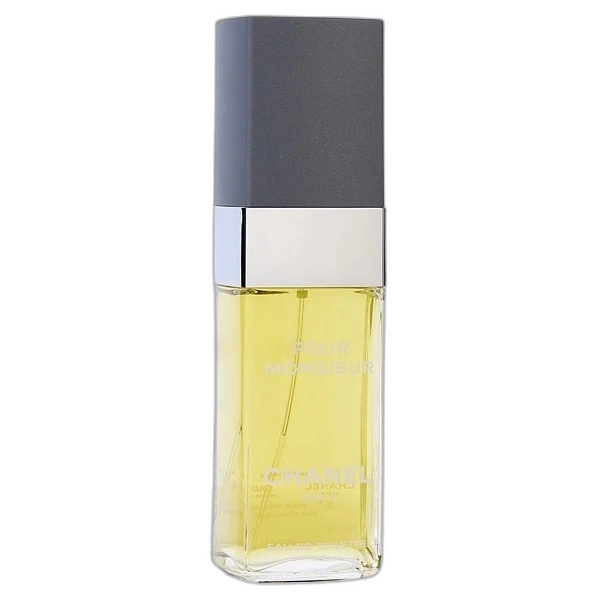
Gabrielle Chanel opened her millinery shop in Paris in 1910, then in Deauville and Biarritz. In 1921 she asked Ernest Beaux to create her first perfume: N°5, an abstract floral aldehyde, transformed perfumery with its lavish use of aldehydes. N°22 followed in 1922. Chanel then built a line of in-house perfumers. Henri Robert composed Pour Monsieur (1955) and N°19 (1971). Jacques Polge, from 1978, signed Coco, Allure, Coco Mademoiselle, Chance and Bleu de Chanel, and with Christopher Sheldrake created Coromandel for Les Exclusifs. His son Olivier Polge succeeded him in 2015 and composed Gabrielle (2017). The house, owned by the Wertheimer family, also secures some of its raw materials, including jasmine and May rose grown in Grasse. Few houses can claim such continuity.
An olfactory signature
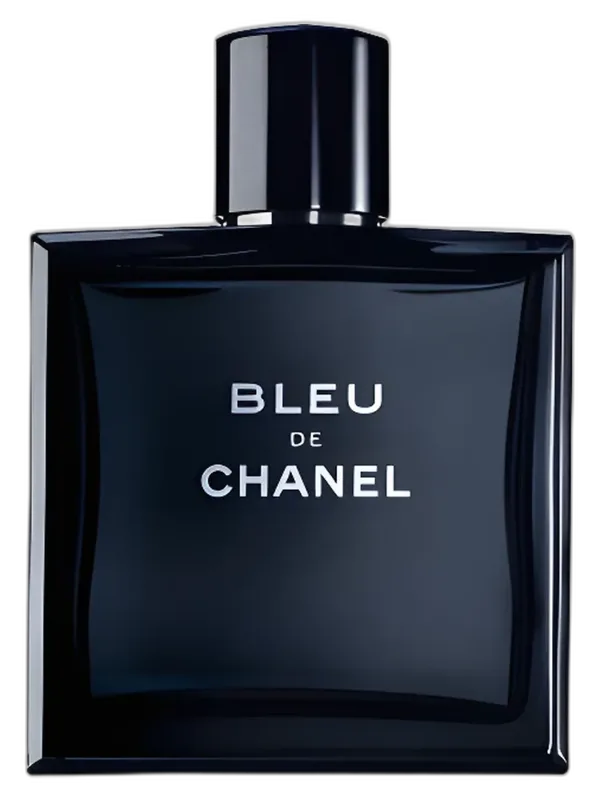
Chanel's style rests on abstraction and structure. Aldehydes light up N°5 and N°22; jasmine and rose form a shared foundation for nearly all the feminines; iris brings its powder to N°19, Chance and Gabrielle. Patchouli, rendered clean and luminous, holds up Coco Mademoiselle and Coromandel. On the men's side, the range runs from the chypre of Pour Monsieur to the incense and cedar of Bleu de Chanel. Throughout, vetiver and sandalwood give a dry, refined base.
Which Chanel perfume to choose?
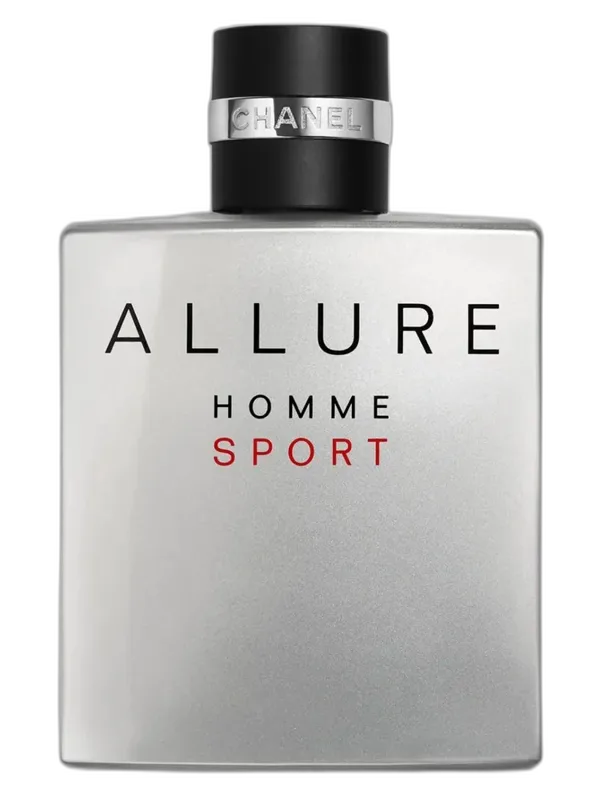
For an absolute classic, go for N°5 or its cousin N°22. Coco Mademoiselle suits anyone who likes a modern patchouli floral; Chance or Chance Eau Tendre offer fruitier lightness. N°19 and Pour Monsieur will please fans of green chypres. Men can weigh the versatile Bleu de Chanel against the fresher Allure Homme Sport. Coromandel, a patchouli-incense oriental, is for connoisseurs.