The story of Le Labo
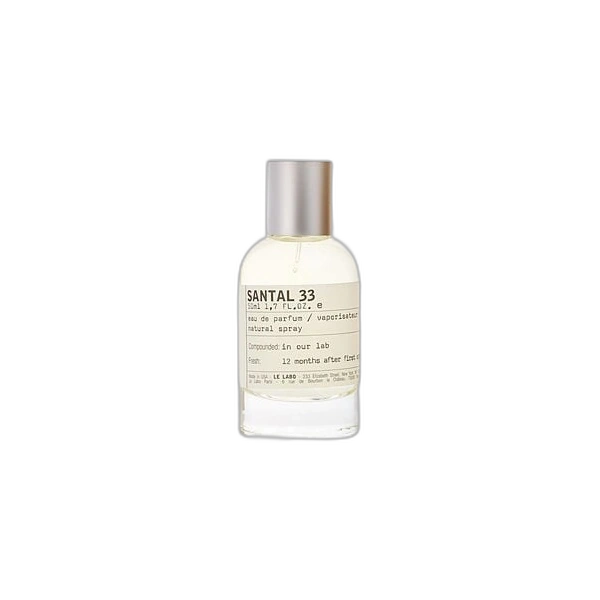
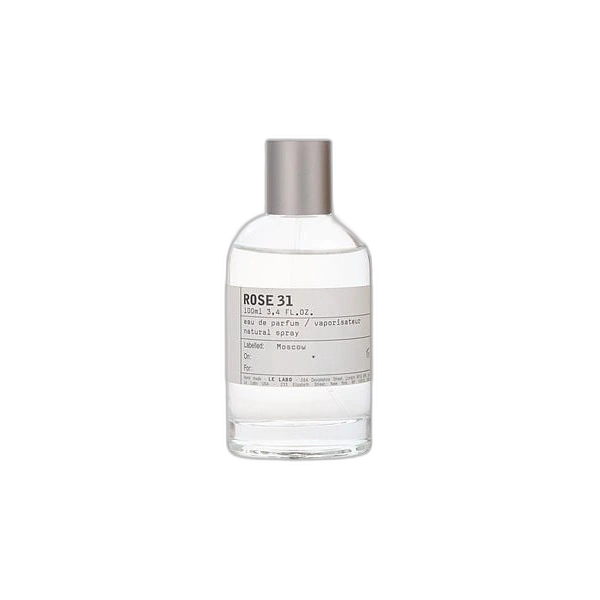
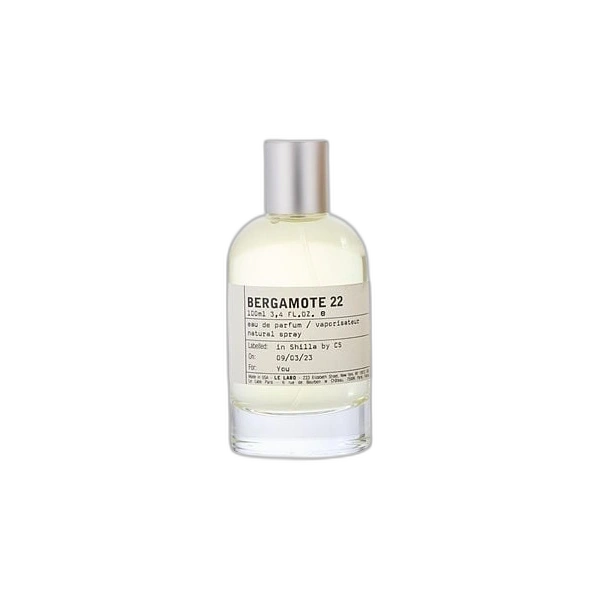
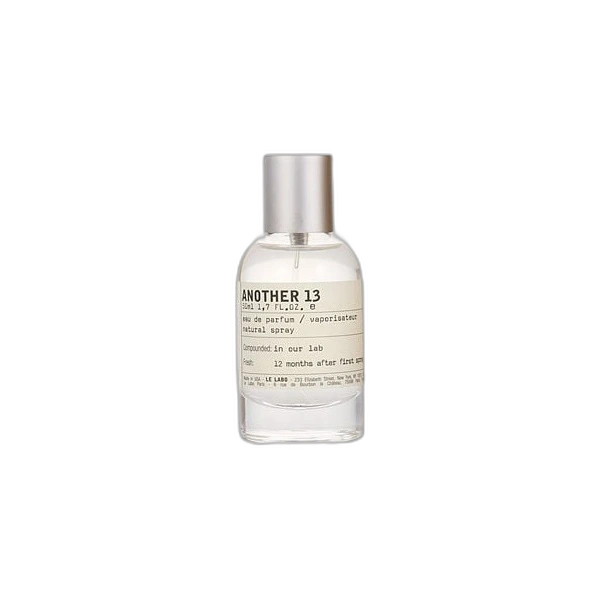
Fabrice Penot and Edouard Roschi, two Frenchmen from the fragrance industry, founded Le Labo in New York in 2006 as a reaction against what they saw as over-marketed perfumery. Their Nolita shop worked like a lab: each bottle was mixed in front of the customer, then labelled with their name and the date it was made. The names followed a simple rule, the dominant material plus the number of ingredients: Rose 31 and Bergamote 22 were among the first creations in 2006. Another 13, born from a magazine collaboration in 2010, became a cult hit. In 2011 Santal 33, composed by Frank Voelkl, introduced a dry, leathery sandalwood that shaped the decade and became one of the most recognisable scents in big cities. The house was acquired by the Estée Lauder group in 2014 and kept expanding internationally, notably with its city exclusives sold in a single location.
An olfactory signature
Le Labo likes raw materials presented without make-up. Santal 33 pairs cardamom, violet and iris with a heart of ambrox, sandalwood and papyrus over cedar, leather and musk. Another 13 plays skin and ambroxan, with musk, ambrette and pear. Rose 31 subverts rose with cumin, pepper and guaiac wood. Bergamote 22 brightens citrus with nutmeg and orange blossom. The common thread is dry woods, musks and a deliberate roughness that keeps each scent from feeling too polished.
Which Le Labo perfume to choose?
Santal 33 is the most iconic way into the house: woody, leathery and unisex. Another 13 suits fans of discreet, musky skin scents. Rose 31 will appeal to anyone wanting a spicy, woody rose far from romance. Bergamote 22, the freshest, is a good option for summer and everyday wear, and the easiest to like at first sniff.