Our take
What does 1881 smell like?
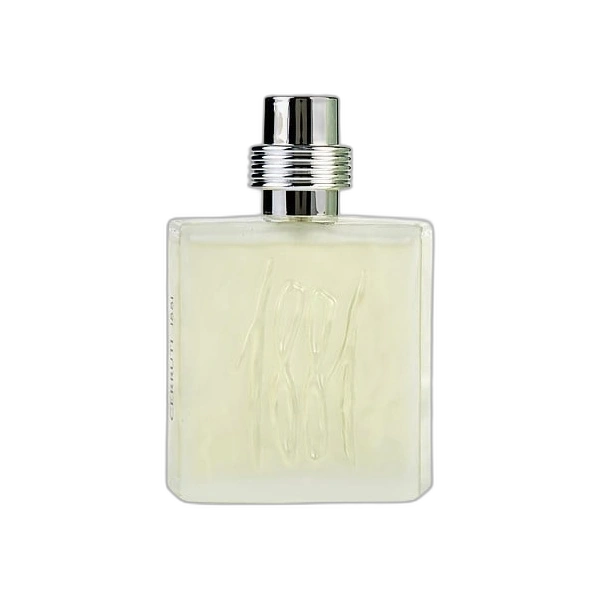
Named after the founding year of the Cerruti textile house, 1881 extends the understated elegance of Italian tailoring into fragrance. It is a clear aromatic fougère, built like a walk through wind-swept scrubland. The opening pairs bergamot, lavender and resinous cypress, fresh and slightly dry. In the heart, juniper adds a peppery berry note, geranium a green, rosy touch and cedar a straight backbone. Sandalwood, musk and amber in the base soften everything and leave a clean, lightly powdery trace. Nothing flashy, but impeccable manners and a real sense of measure, typical of the masculines of its era.
When to wear it
Ideal for the office and warm days, with a light shirt. It suits men who appreciate discreet, elegant fougères.
The story of 1881
The number in the name points to 1881, the year the Cerruti family opened a wool mill in Biella, Piedmont. Decades later Nino Cerruti, heir to the business, pushed it into fashion and opened a Paris boutique in 1967 under the name Cerruti 1881. A young Giorgio Armani learned his trade there in the 1960s, designing menswear. So the 1990 fragrance arrived at a house that sold cloth and suits before anything else, and it borrowed that vocabulary. There is no heavy seduction here. Instead you get a clear aromatic fougère that talks about linen and a clean cut. The timing is telling. Men's perfumery was just leaving the era of Kouros and Drakkar Noir, loud and sometimes animalic, and the aquatic wave was about to sweep everything aside. 1881 slipped between the two: cleaner than the brawny fougères of the 1980s and more classic than the marine scents that followed. A feminine version appeared in the mid-1990s. Several flankers followed without the original losing its place as the house reference.
Our detailed review
We enjoy its first fifteen minutes most. Dry lavender, bergamot and resinous cypress smell like a hedge trimmed in the sun. Nothing sweet at all, which feels like a relief on today's men's counter. Juniper then brings a peppery berry note while geranium adds a rosy green, and cedar keeps the whole thing upright. It is neat and well drawn, a little austere. After two hours sandalwood and amber round it into clean, faintly powdery skin reminiscent of good shaving foam. That is where it hits its limit. The base is generic, and the scent clearly belongs to its era, so anyone used to recent ambery woods will call it dated. It also lacks presence in cold weather. We recommend it to men who want a flawless office scent with no sugar or smoke, and to anyone who misses classic fougères. Gourmand fans and sillage hunters will get bored fast, and we understand why.
1881 vs its rivals
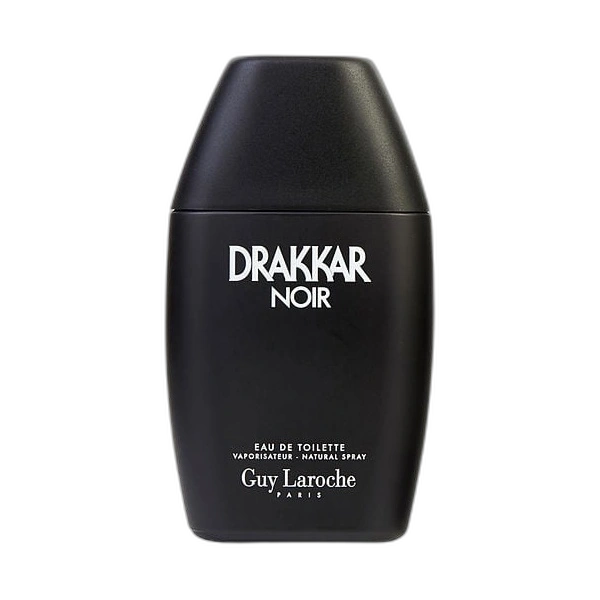
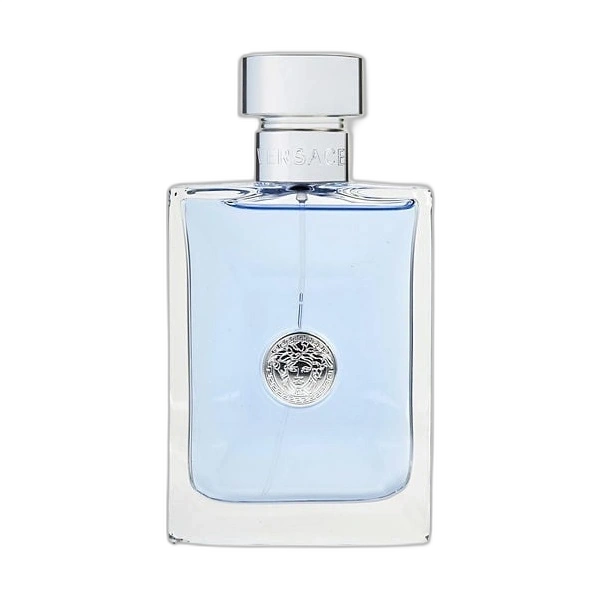
Parfums de Marly's Valero is its closest modern cousin. Bergamot, juniper and lavender appear in both, along with cypress and geranium. Valero adds citron and nutmeg, then an ambroxan and patchouli base with near-extrait density. It is stronger and more current, while 1881 stays light and classic. Versace Pour Homme shares bergamot, cedar and geranium over an amber and musk base. Neroli and tonka make it brighter and slightly softer, with a sunnier Mediterranean feel. Drakkar Noir picks up the lavender, juniper and cedar. Leather and oakmoss take it toward a dark and muscular fougère instead. For summer at the office, pick 1881 or the Versace. For long wear and real sillage, Valero is the stronger buy.
Longevity, projection and use
Medium strength for an eau de toilette: 1881 usually lasts four to six hours, with moderate projection for the first two and a skin-close trace after that. Three or four sprays work well, across the neck, nape and chest. One spray on the shirt keeps the lavender going longer; let it dry before dressing to protect light fabrics. This is a spring and summer daytime scent, made for the office. It handles heat well, since its aromatic notes open up in warm air. In the evening or in deep cold it fades too quickly to convince.
It belongs to the Fougère, Aromatic family. 1881 is one of 1 creations by Cerruti in our encyclopedia.