Our take
What does Paris smell like?
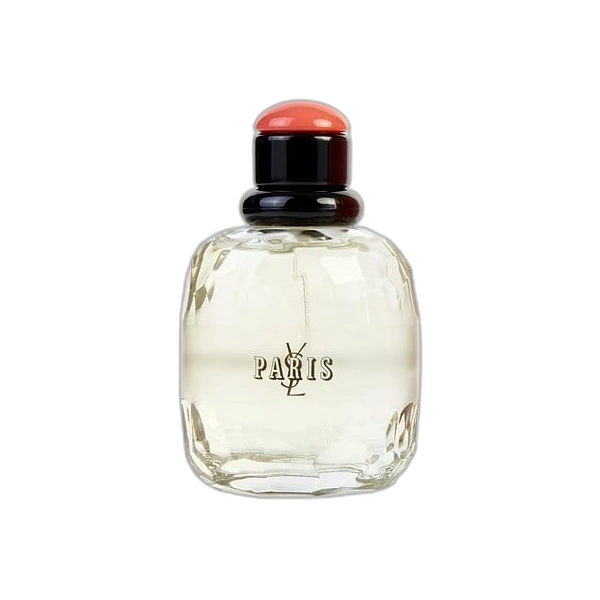
In 1983, Yves Saint Laurent dedicated a fragrance to his adopted city, and Sophia Grojsman, a master of radiant roses, composed it. Paris is a rose, but a vast, dazzling one that violet turns powdery, almost made-up. The opening pairs those two flowers with bright bergamot. The heart amplifies the rose with iris and lily of the valley, creating a texture that is at once fresh, silky and cosmetic. Sandalwood, musk and amber in the base soften everything without weighing it down, leaving a tender trace on skin. Generous and romantic, Paris captures the 1980s rose at its most radiant.
When to wear it
It blooms in spring, for a lunch or a date. Lovers of powdery, opulent roses often keep it for life.
The story of Paris
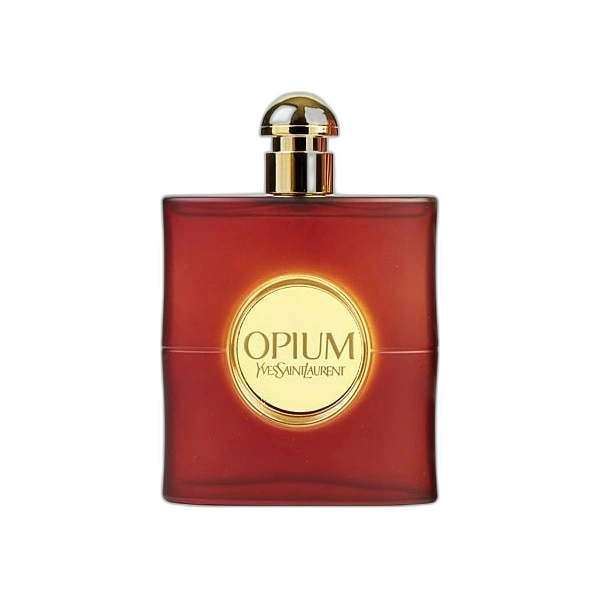
By the early 1980s Yves Saint Laurent already had Y, Rive Gauche and above all Opium, whose 1977 launch caused a scandal. For 1983 he wanted something tender, dedicated to the city where he lived and worked. The job went to Sophia Grojsman at IFF, known for hugely diffusive rose accords built from a small number of materials used in large doses. Her rose for Paris is anything but shy. Violet amplifies it until it smells as much of face powder and blush as of the flower itself. Grojsman went on to compose Trésor for Lancôme in 1990, and its powdery rose clearly echoes this one. The name later inspired Parisienne in 2009, a separate and more modern fragrance. Various seasonal editions of Paris have also come and gone. The original remains the benchmark for that very 1980s idea of a rose: generous, made-up and built to be noticed from across a room.
Our detailed review
The opening is blunt: a thick red rose, immediately powdered by violet. The bergamot barely registers. For the first two hours Paris takes up space in a way few modern florals dare to. Iris and lily of the valley then lighten the rose and give it a texture of lipstick and pressed powder, the phase we like most. Sandalwood and musk arrive late, soft and slightly soapy, with amber warming things without adding sugar. What works is the generosity. This is a rose built to radiate, not to apologise. The flaw is the flip side of that. In an office or on a crowded train, Paris can feel massive and a bit dated, with the smell of an 80s make-up bag. It will suit lovers of straightforward roses and fans of Trésor or the big powdery florals. If you want a light, green or fruity rose, it may feel like wearing your mother's perfume.
Paris vs its rivals
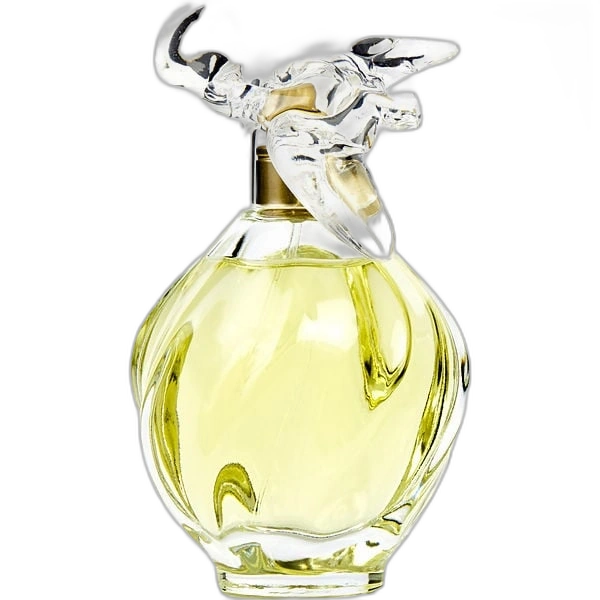
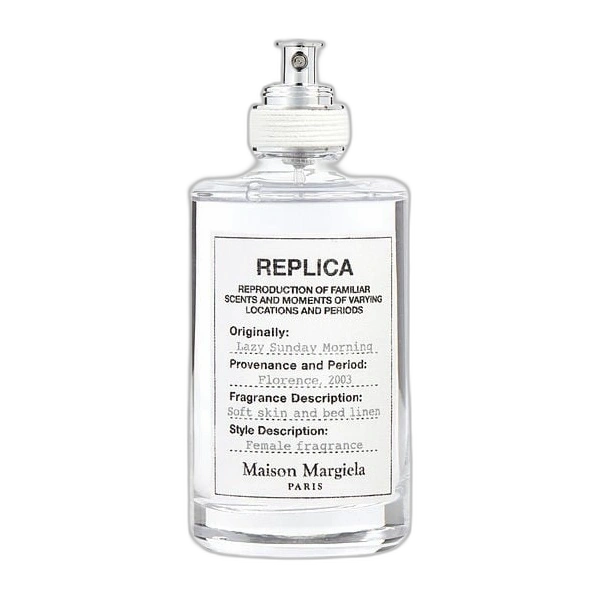
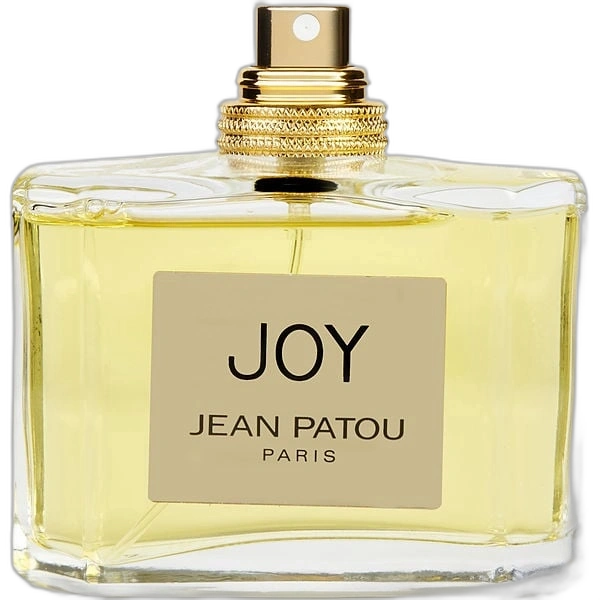
L'Air du Temps shares rose, violet, bergamot, sandalwood and musk with Paris. The likeness ends quickly, though. Peach, neroli and jasmine make it a clearer, gentler floral, whereas Paris bets everything on powdered rose. L'Air du Temps is airier. Paris is more theatrical. Patou's Joy plays in the same league of opulence. Rose, iris and sandalwood are common ground. Jasmine, tuberose and civet give Joy fleshier, more animal skin. For a rose alone in the spotlight, choose Paris. For a rich bouquet with a sensual undertone, Joy. Replica Lazy Sunday Morning shares iris, lily of the valley, rose and musk, yet everything is diluted into a clean cotton effect. In intensity it is the opposite of Paris. If you like the powdery texture of Paris without the volume, it makes a good way in.
Longevity, projection and use
Paris lasts seven to nine hours on most skin in this eau de parfum, and longer on a silk scarf. The trail is wide for the first two hours, then calms down without disappearing. One spray is enough for daytime and the office. Two for an evening out. Apply it at the base of the neck or behind the ears rather than on the wrists, where the iris can turn powdery and dry. It shines in spring and autumn when the weather is mild. In high summer the rose gets heavy. For a lunch or a date it works well, as long as you keep a light hand.
It belongs to the Floral family. Paris is one of 12 creations by Yves Saint Laurent in our encyclopedia.