Our take
What does N°5 smell like?
Created by Ernest Beaux for Gabrielle Chanel in 1921, N°5 turned aldehydes from a supporting effect into a signature. They give the opening its famous sparkle: part clean linen, part candle wax, part champagne prickle. Ylang-ylang and neroli warm it from beneath with an almost buttery glow. The heart is deliberately abstract: rose, jasmine and iris blend so tightly that no single flower steps forward, while iris lends a cool, faintly earthy powder. The drydown settles into milky sandalwood, dry vetiver and a restrained vanilla that rounds the edges without turning sweet. More than a century on, it remains the reference point for the floral aldehyde family, and in parfum concentration the texture is dense and velvety.
When to wear it
Best in cold weather, for evenings and occasions with a sense of ceremony; it wins over people who love powdery, structured perfumes rather than modern fruity florals.
The story of N°5
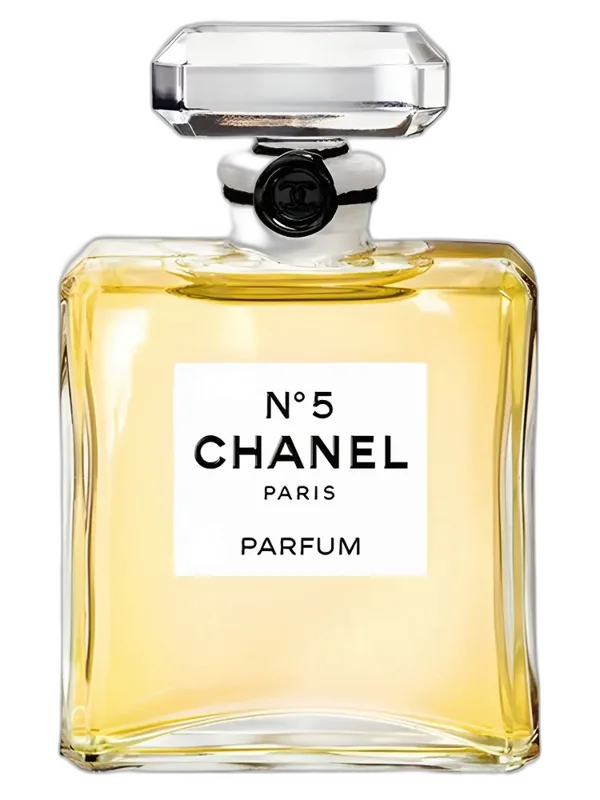
Gabrielle Chanel asked Ernest Beaux in 1921 for a perfume that would not smell like the soliflores of the day, scents built to imitate a single flower. Beaux had trained in Moscow at Rallet, a supplier to the imperial court. He showed her a series of numbered samples. She picked the fifth, and the number became the name. Aldehydes were already known, but dosing them this high gave the formula its abstract sparkle. The bottle broke with the ornate flacons of the time: a plain rectangle of glass, almost a pharmacy bottle, with a faceted stopper the house links to the Place Vendôme. In 1924 Chanel partnered with the Wertheimer brothers to found Parfums Chanel. In 1952 Marilyn Monroe said she wore nothing to bed but a few drops of N°5, and the line went round the world. Andy Warhol made a series of screenprints of it in 1985. Later came Eau Première in 2007 and L'Eau in 2016. This page covers the parfum, the densest concentration.
Our detailed review
The opening stings. Aldehydes give a feel of hard soap, warm wax and bubbles, while ylang-ylang slips an almost banana-like softness underneath. In parfum this phase is rounder and less shrill than in the EDT. After an hour the bouquet settles. You cannot really separate rose from jasmine, and that is deliberate. Iris adds a rice-powder texture. The base arrives late, around hour four. Creamy sandalwood, vetiver and a very restrained vanilla then leave a smell of expensive cleanliness on the skin. We love how coherent it is, keeping its glow from start to finish. On a cold evening the sandalwood turns almost milky. The drawback for many people is its image. It recalls a grandmother's dressing table, and the soapiness can read as dated. It suits anyone who likes structured, powdery perfumes, men included. Fans of fruity or gourmand scents will find it austere, and they are entitled to say so.
N°5 vs its rivals
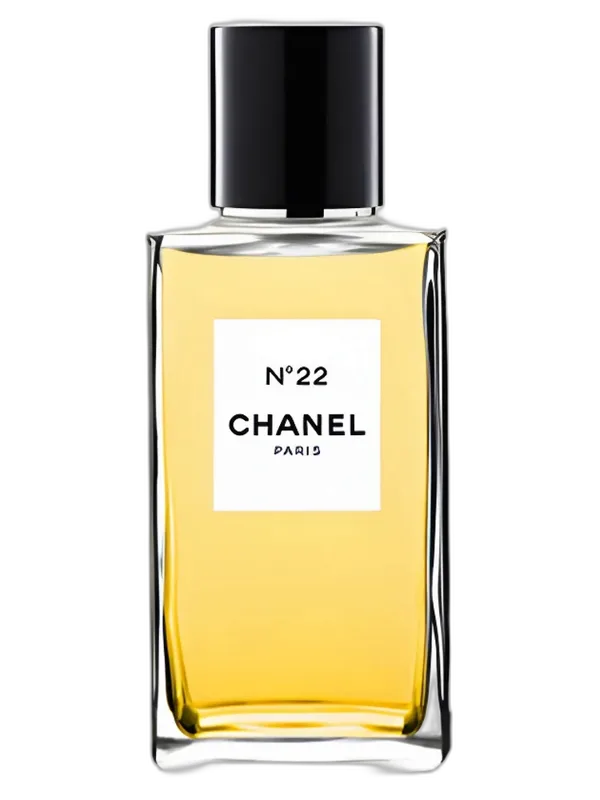
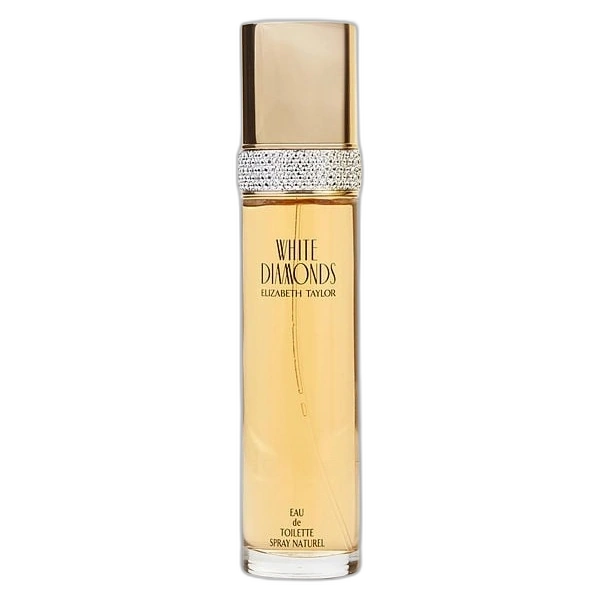
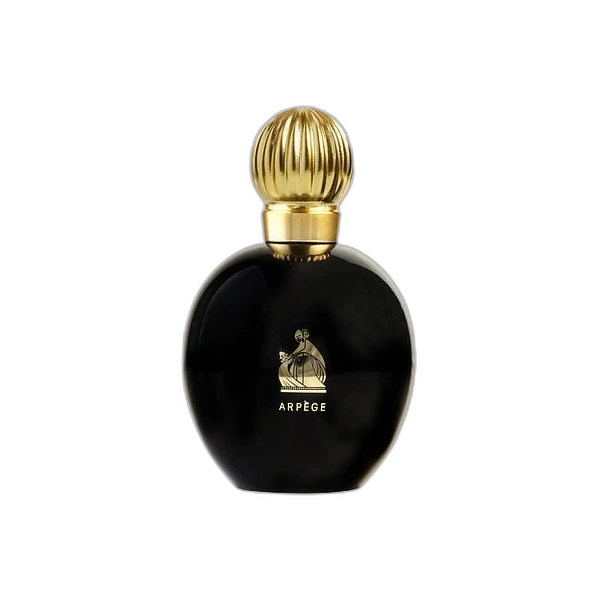
N°22, released a year later by Chanel, is its closest sibling. It shares the aldehydes and neroli, the ylang-ylang and the rose and jasmine pairing, plus a vanilla and vetiver base. Tuberose and lily of the valley make the difference, pushing it whiter and brighter and less woody. Lanvin's Arpège, from 1927, takes up the aldehydes and the rose and jasmine heart over a near-identical sandalwood and vetiver base. Its peach opening and lily of the valley make it fruitier and gentler. White Diamonds came much later and adds tuberose and oakmoss for an opulent, showy white floral. For the benchmark floral aldehyde, N°5 is still the first choice. N°22 suits those who prefer white flowers. Arpège is for lovers of softness, White Diamonds for anyone after more glamour and volume.
Longevity, projection and use
In parfum, N°5 does not shout. It sits close to the skin with moderate projection that opens up in cold air. Expect around eight hours, sometimes more on oily skin. Dab it or use one or two sprays depending on the bottle: behind the ears, at the base of the neck, inside the wrists. It is built for autumn and winter. We wear it for evenings and occasions, but a single drop also works at the office because it stays discreet at a distance. In summer a lighter version such as L'Eau is the better call.
It belongs to the Floral, Powdery family. N°5 is one of 13 creations by Chanel in our encyclopedia.