The story of Hermès
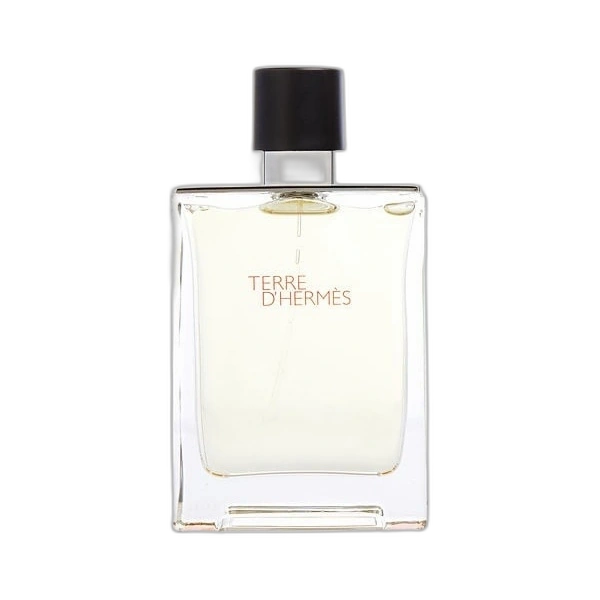
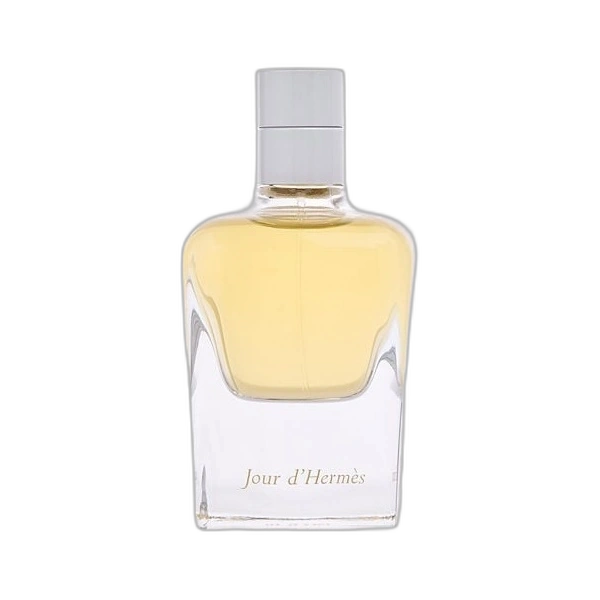
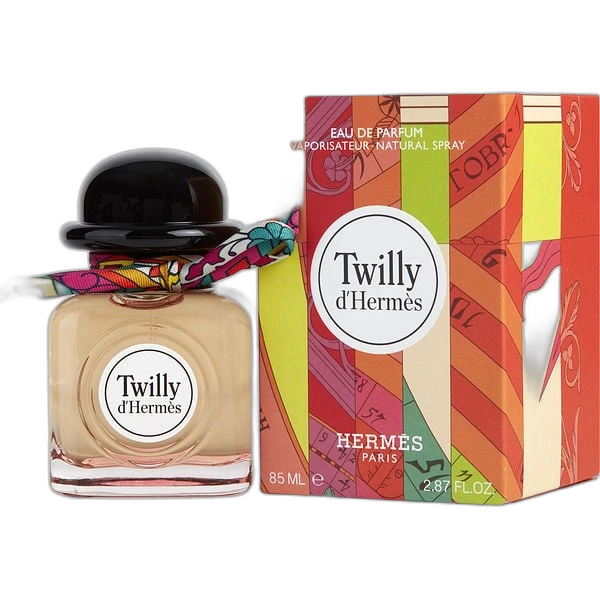
Thierry Hermès opened a harness workshop in Paris in 1837. Over the generations the house moved from saddlery to leather goods, silk scarves and fashion while holding on to its craft standards. Fragrance arrived in the mid-twentieth century with Eau d'Hermès, composed by Edmond Roudnitska in 1951. The house reached a turning point in 2004 when it appointed Jean-Claude Ellena as its exclusive perfumer. His minimalist style, built on few materials and a great deal of light, gave rise to Un Jardin sur le Nil in 2005, Terre d'Hermès in 2006, which became a pillar of men's perfumery, and Jour d'Hermès in 2013. Christine Nagel succeeded him from 2016 and brought more flesh and contrast to the house style, as in Twilly d'Hermès in 2017, a playful, spicy tuberose designed for a younger generation.
An olfactory signature
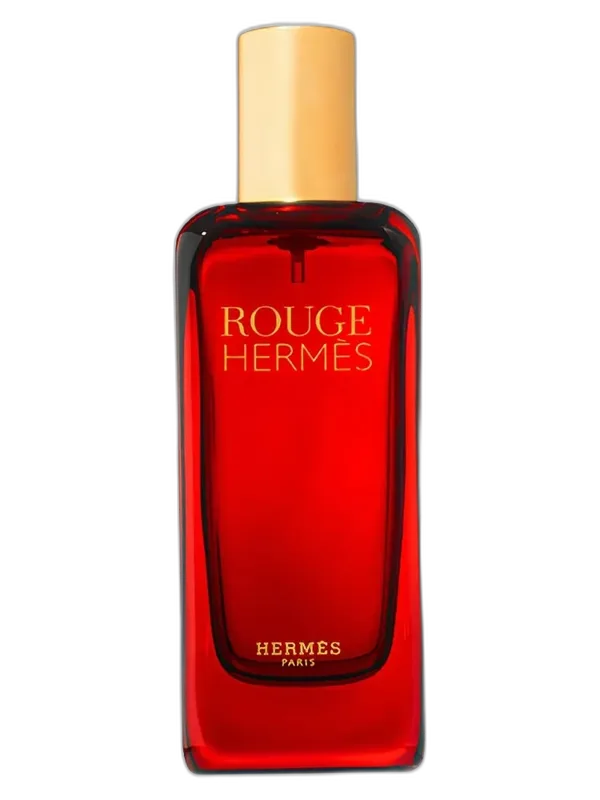
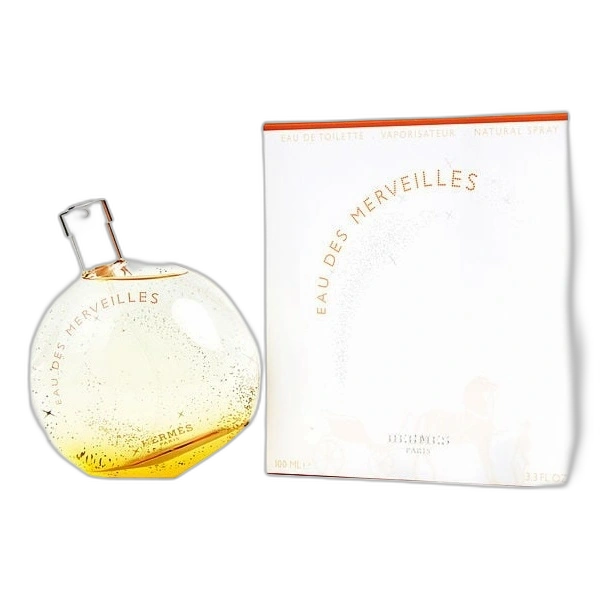
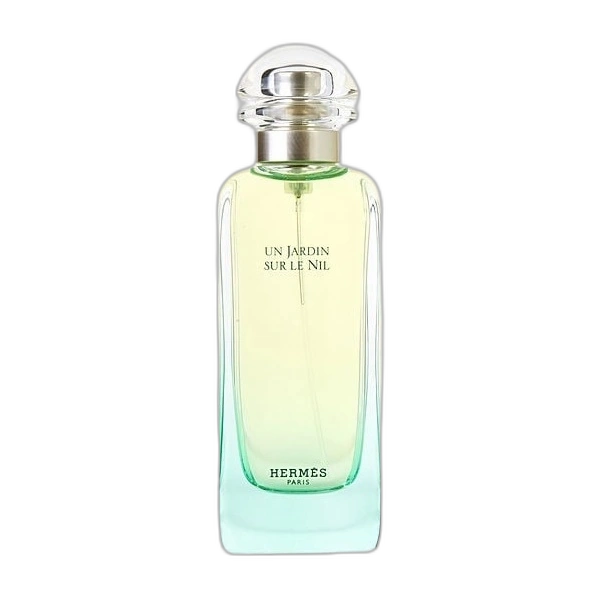
At Hermès, transparency is the signature. Terre d'Hermès pairs orange, grapefruit and a flinty note with dry pepper, then vetiver and cedar: a mineral woody scent. Un Jardin sur le Nil blends green mango, lotus and grapefruit with a light incense. Eau des Merveilles plays salty amber, elemi and moss, while Rouge leans on iris and saffron. Twilly d'Hermès, more mischievous, pairs ginger with tuberose. Jour d'Hermès is a bright, airy white bouquet that seems to hover above the skin.
Which Hermès perfume to choose?
For a woody, mineral masculine scent, Terre d'Hermès is the obvious choice. Un Jardin sur le Nil suits anyone who loves green citrus and summer fragrances. Eau des Merveilles appeals to fans of salty, woody amber. Twilly d'Hermès is for women who want a spicy, gourmand tuberose, and Jour d'Hermès for those who prefer a clear floral. Rouge is the most ambery and powdery of the range.