Our take
What does Eau Sauvage smell like?
Edmond Roudnitska composed Eau Sauvage for Dior in 1966, and its clarity felt radical at the time. The fragrance is known for popularising Hedione, a molecule with a diaphanous jasmine scent that gives the whole composition its radiance and sense of space. The opening is bright and bitter: lemon, bergamot and rosemary, like peel twisted between the fingers. The heart pairs that luminous jasmine with coriander and basil, aromatic without ever feeling rustic. Oakmoss, vetiver and a quiet musk then lay down a shaded, lightly woody base that owes a lot to the chypre tradition. Everything is measured with rare economy: nothing shouts, everything breathes. Few citrus eaux keep this much structure once the zest has faded.
When to wear it
Ideal in warm weather, at the office or on weekends; it appeals to lovers of classic freshness, and plenty of women happily wear it too.
The story of Eau Sauvage
When Eau Sauvage appeared in 1966, Christian Dior had been dead for nine years and the house still lived mainly off its feminines. This was its first major men's scent. Edmond Roudnitska, who had already written Diorama and Diorissimo for Dior, applied his usual method: few materials, plenty of air. His technical coup was Hedione, a transparent jasmine molecule developed by Firmenich, which Eau Sauvage brought into mainstream perfumery. Six years later Roudnitska reused a related structure for the feminine Diorella. For decades the advertising leaned on René Gruau, the house illustrator, whose quick, nervous line drew elegant men in shirtsleeves. In 2010 Dior revived a 1960s photograph of Alain Delon for a new campaign. Do not confuse it with Sauvage, launched in 2015: the two share a word and none of their formula. Flankers came and went, from Eau Sauvage Extrême in the 1980s to Fraîcheur Cuir. The core formula also had to adapt to restrictions on oakmoss, which is why vintage bottles and today's version differ.
Our detailed review
It opens with a pleasant sting. Bitter lemon and bergamot meet rosemary that smells like a crushed sprig, and the effect is peel twisted between your fingers after a summer lunch. Half an hour in, the interesting part begins. The Hedione jasmine feels less like a flower than a sense of open space, and basil adds a small aniseed twist that keeps it away from ordinary cologne. By the second hour oakmoss and vetiver sketch a shaded, slightly earthy base. That is our favourite stage. The flaw is well known: all of this fades fast. We lost it on skin after about three hours. Today's version also strikes us as thinner than older bottles, most likely because of limited oakmoss. It suits people who love classic freshness and perfumes that never push themselves forward. Anyone who wants sillage, sweetness or a modern ambery woody base will find it dull.
Eau Sauvage vs its rivals
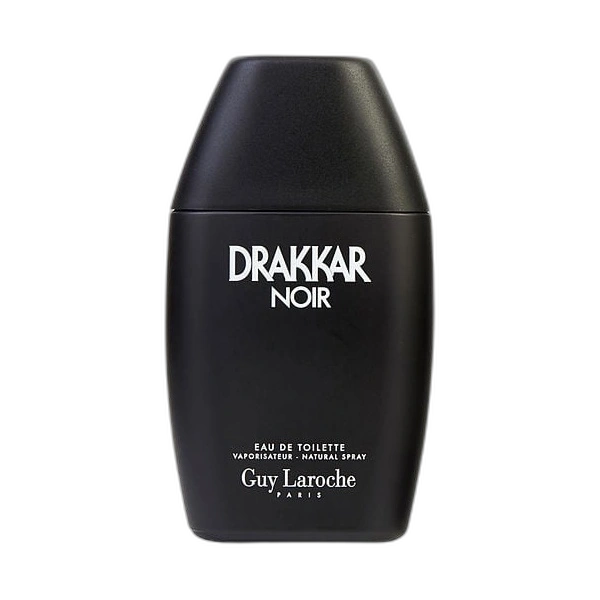
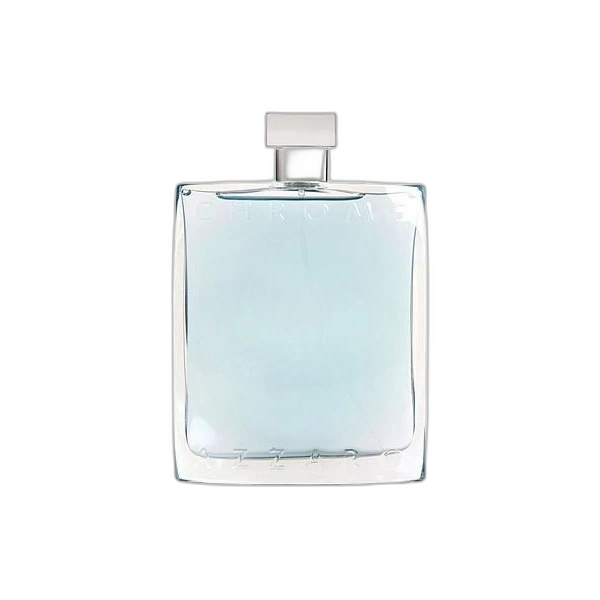
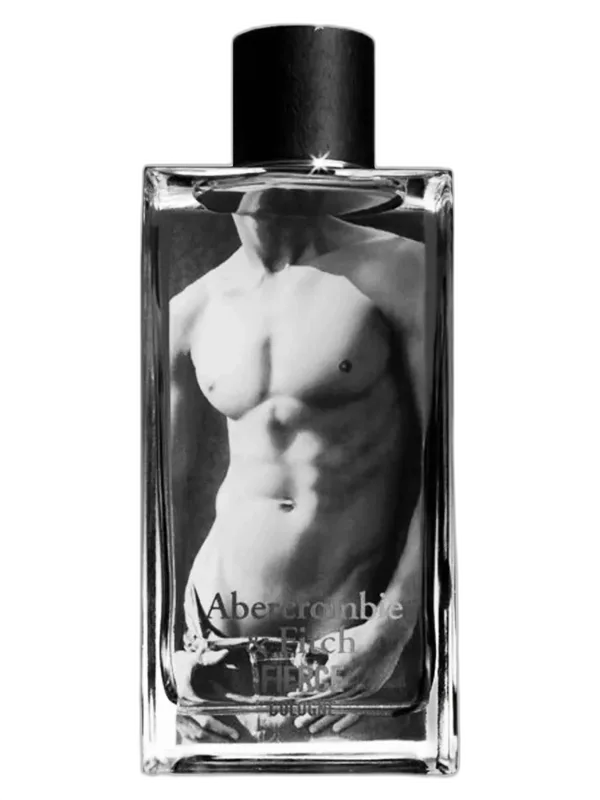
Azzaro's Chrome is its most direct descendant. Lemon, rosemary, jasmine and oakmoss appear in both. Chrome adds neroli, cyclamen and a hint of pineapple over a laundry-clean musk. It smells of a freshly ironed shirt, while Eau Sauvage smells of herbs and zest. Grab Chrome for no-thought daily wear and Eau Sauvage for more character. Abercrombie & Fitch's Fierce shares the lemon and jasmine, the rosemary and the moss. Fir and cardamom make it denser and louder, though, built to project across a shop floor. Drakkar Noir is the opposite in temperament despite common rosemary, basil and coriander. Lavender, leather and dark moss turn it into a muscular 1980s masculine. Choose Eau Sauvage if you want the airiest version of these ideas and do not mind reapplying.
Longevity, projection and use
Let us be straight about it. As a light eau de toilette, Eau Sauvage lasts two to four hours on skin, sometimes less in serious heat. Projection is pleasant for the first hour and then turns intimate. The right approach is to spray generously: four or five sprays over the neck, nape and chest. Your shirt helps too, since citrus lingers longer on fabric. A small travel atomiser for a second round in the early afternoon solves most of the problem. It is a spring and summer daytime scent, ideal at the office or on weekends. On a winter evening it feels too thin.
It belongs to the Citrus, Aromatic family. Eau Sauvage is one of 15 creations by Dior in our encyclopedia.