Our take
What does Chance smell like?
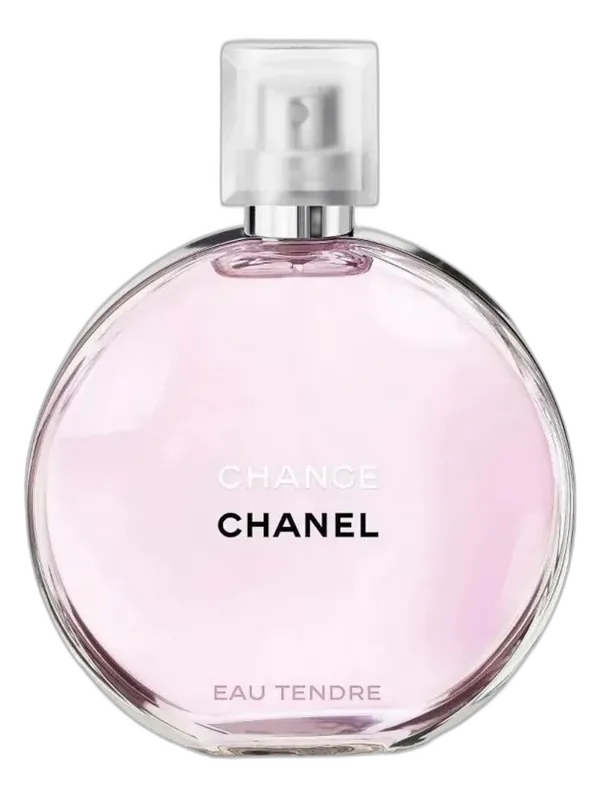
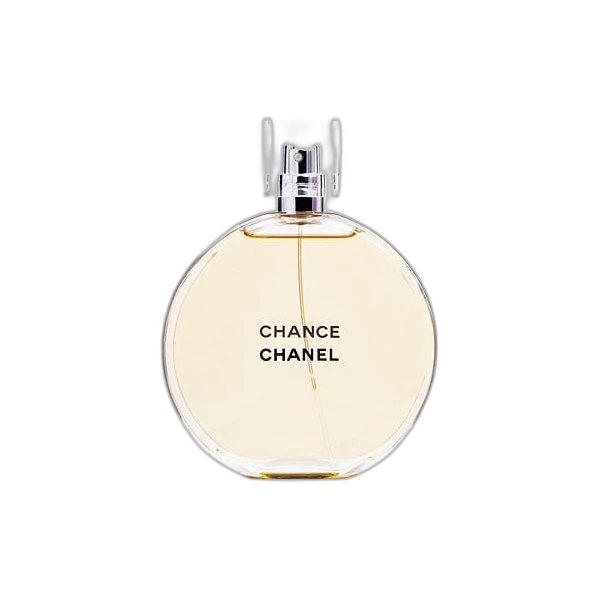
Launched in 2002 and composed by Jacques Polge, Chance brought a younger energy to Chanel, in a round bottle that breaks with the house's rectangular classics. The opening is lively, with pink pepper, pineapple and lemon creating a fruity, prickly sparkle. In the heart, jasmine meets a cool green hyacinth, lifted by a touch of iris that adds a slightly powdery grain. The base rests on a cleaned-up patchouli, free of earth and damp, softened by light vanilla and dry vetiver. The result reads like a modern chypre seen in daylight: legible, bracing and more playful than grand.
When to wear it
Daytime in spring and summer, for work or relaxed outings; it appeals to a younger crowd wanting a less formal Chanel signature.
The story of Chance
Chance came out in 2002, only a year after Coco Mademoiselle, and aimed at an even younger customer. Jacques Polge, Chanel's perfumer since 1978, composed it. The house was then defined by its classics, No. 5 above all, and wanted to reach women not yet ready for its grand fragrances. The name plays on luck, a favourite theme of Gabrielle Chanel, who was superstitious and fond of the number 5. The round bottle breaks with the house's straight lines. Chance soon became a family of its own. Chance Eau Fraîche followed in 2007, then Chance Eau Tendre in 2010 and Chance Eau Vive in 2015. Each version has its own liquid colour: pale green for Eau Fraîche, pink for Eau Tendre, orange for Eau Vive. That colour-coded range, easy to grasp at the counter, has been widely copied since. Above all, Chance proved Chanel could be cheerful without giving up its taste for patchouli.
Our detailed review
Pink pepper comes first, dry and slightly powdery. Pineapple and lemon follow with an almost soda-like fizz. After half an hour, hyacinth brings a cool, faintly damp green while jasmine stays in the background. The iris works as a texture more than a note, a grain of powder that softens the edges. Around hour three the clean patchouli settles in with dry vetiver and a whisper of vanilla. That is the part we like best, crisp and luminous. The flaw is that it smells clean more than it tells you anything. The fruity phase can also feel shrill in the first minutes, with a slightly chemical pineapple. It suits women who want a cheerful Chanel signature that goes anywhere, from the office to lunch. On a warm day the hyacinth comes forward and the whole thing turns greener. It will disappoint anyone who loves deep mossy chypres or wants an evening scent.
Chance vs its rivals
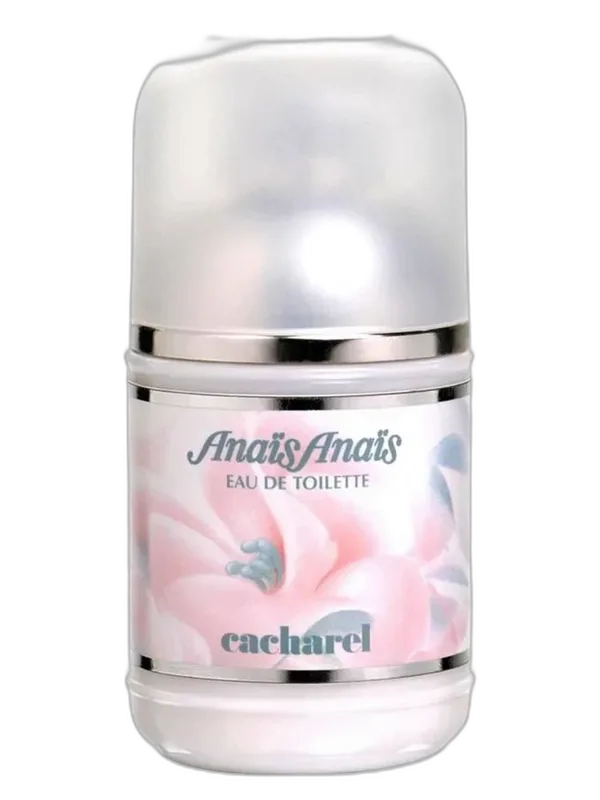
Cacharel's Anaïs Anaïs shares hyacinth, jasmine and vetiver. Its galbanum, lily and oakmoss make it a green, innocent floral, more powdery and without Chance's fruity fizz. Chance Eau Tendre keeps the iris and hyacinth but replaces pepper and pineapple with quince and grapefruit. Softer and muskier, it drops the patchouli and gains transparency. Lippizan from Parfums de Marly shares jasmine, iris, patchouli and vanilla. It sets them in a much denser woody chypre built on sage, oakmoss and leather, closer to a riding boot than an office lunch. For a Chanel freshness that lasts the day, the original. For more softness and less bite, Eau Tendre, which is also the gentler introduction to Chanel. For an evening chypre, Lippizan.
Longevity, projection and use
Measured is the word, with the eau de toilette rated 3 out of 5 for intensity. Expect five to seven hours on skin, with good diffusion in the first hour and then a trail that stays close. Three sprays work well, on the nape and the wrists. You can also spray a mist in front of you and walk through it. This is a spring and summer daytime scent, for work or lunch. In strong heat it gains sparkle but evaporates faster, so plan a top-up in mid-afternoon.
It belongs to the Floral family. Chance is one of 13 creations by Chanel in our encyclopedia.