Our take
What does Fahrenheit smell like?
When Dior launched Fahrenheit in 1988, its petrol-like facet startled wearers, many comparing it to gasoline or hot tarmac. Jean-Louis Sieuzac and Michel Almairac built that contrast around violet leaf. The opening blends lavender, mandarin and hawthorn in a freshness that is already slightly metallic. The heart is the signature: a green, almost oily violet, spiked with nutmeg and supported by cedar. The base slides into warm leather, creamy sandalwood and dry vetiver, extending the trail for hours. Divisive on release, Fahrenheit is now recognised as one of the most original masculines of its time.
When to wear it
Wear it in the evening or at the office when the air is cool. It suits men who value strong individuality over easy seduction.
The story of Fahrenheit
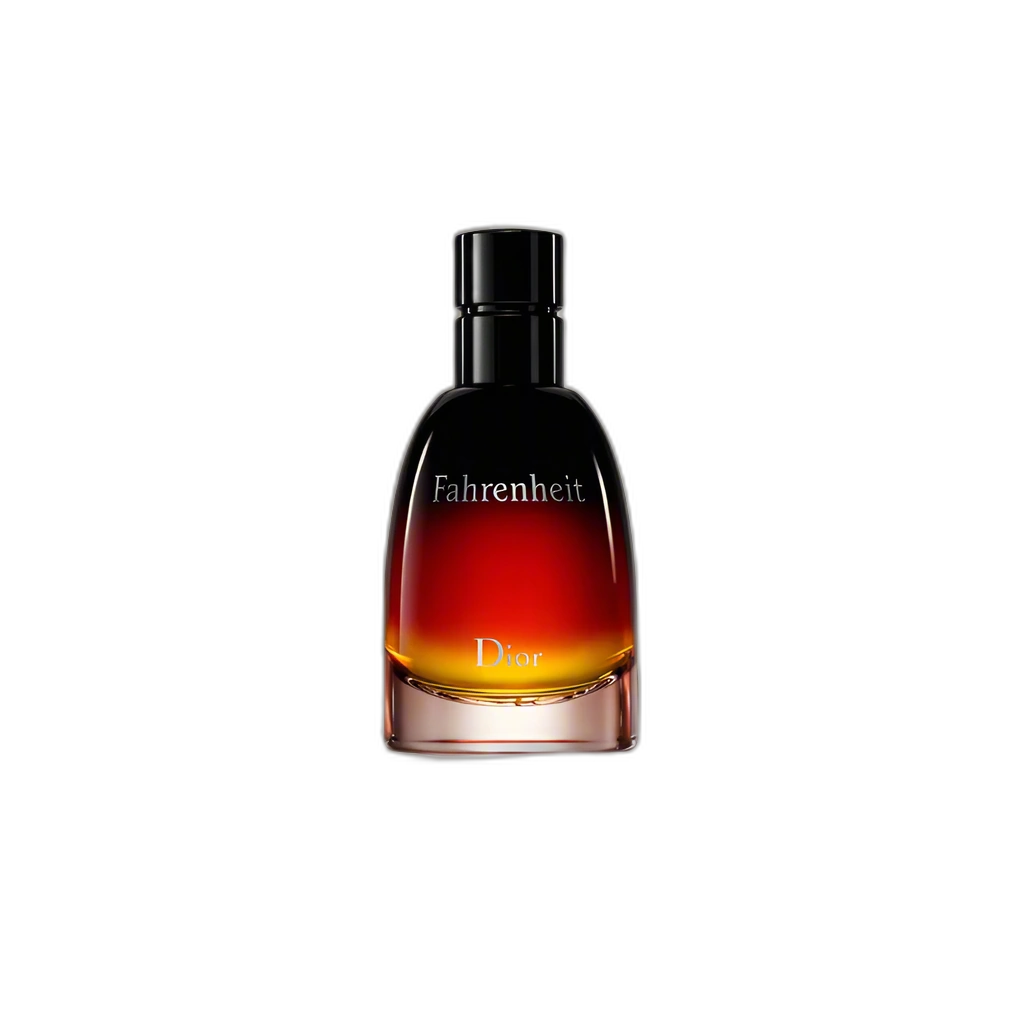
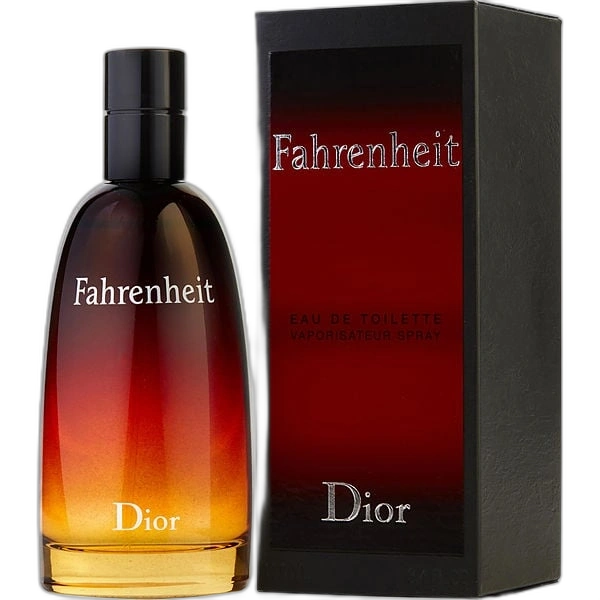
Fahrenheit came out in 1988, twenty-two years after Eau Sauvage and eight after Jules. Men's perfumery at the time was split between woody fougères and loud leathers. Dior went elsewhere. Jean-Louis Sieuzac and Michel Almairac built the scent around violet leaf, a green, slightly greasy material, and pushed it until it smelled of petrol and warm tarmac. That accord is what people still remember. The bottle plays the same game of contrast, with glass that shades from deep red into orange like embers or a sunset. The name, borrowed from the temperature scale, keeps the heat theme going. On release it confused as many people as it won over. It still became one of the house's core masculines alongside Eau Sauvage. Dior has spun it off many times since. Fahrenheit 32 arrived in 2007 as a softer take, and Fahrenheit Le Parfum followed in 2014 with benzoin and tonka rounding the violet. The original eau de toilette remains the reference, and the most divisive of the lot.
Our detailed review
Lavender and mandarin vanish fast. Five minutes in, what's left is that oily violet we associate with a petrol station in the rain, with nutmeg giving it a peppery edge. This heart lasts a good two or three hours, and it's the part you'll either love or reject. Leather and vetiver then rise slowly. Sandalwood gives the base a creaminess you don't expect after such a metallic start. Fahrenheit works because it still smells like nothing else, more than thirty years on. Its weakness comes from the same place. On some skins the petrol note turns into old rubber, and in a closed room it gets tiring. The cedar is also rather faint, so the woody middle lacks depth. It suits people who want a scent nobody will mistake for another, and who can live with not pleasing everyone. Fans of safe blue freshies will hate it, often within a second.
Fahrenheit vs its rivals
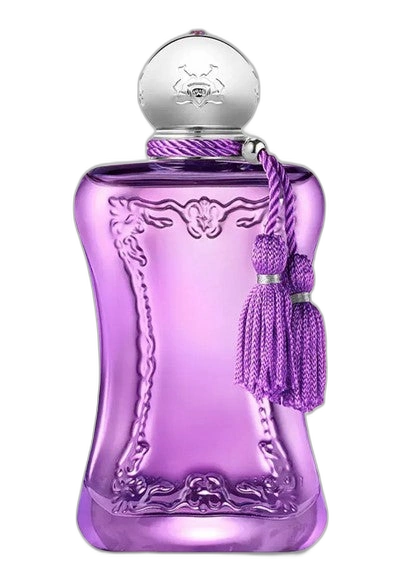
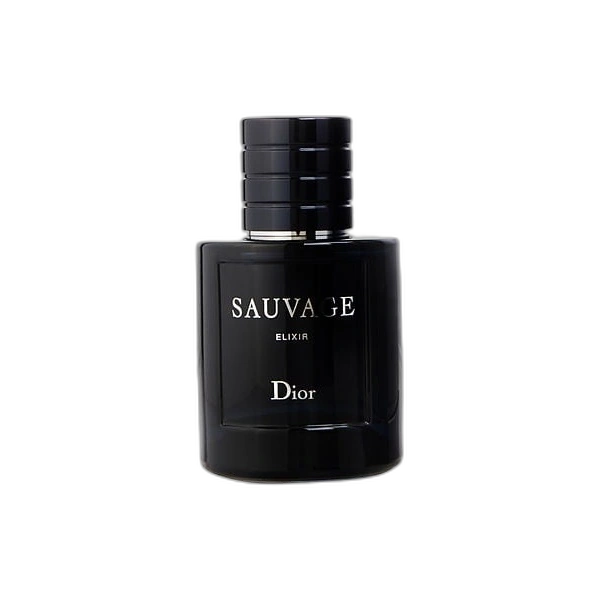
Next to Fahrenheit Le Parfum, the original feels drier and more petrol-like. Both share hawthorn, lavender, violet and vetiver. The 2014 version adds benzoin and tonka, which turn the violet velvety and almost sweet over a darker leather. If the gasoline bothers you, start with Le Parfum. Palatine from Parfums de Marly overlaps only on violet, lavender and sandalwood. Pear and peach make it a soft fruity floral with no rough edges, aimed at a different wearer altogether. It shows what violet becomes once you strip out the mineral side. Sauvage Elixir shares nutmeg, lavender, sandalwood and vetiver. It then buries them under cinnamon, licorice and amber. It is denser, more current and more flattering. To stand out, pick Fahrenheit. To play it safe on a night out, Sauvage Elixir.
Longevity, projection and use
For an eau de toilette, Fahrenheit is strong. Seven to nine hours on skin is typical, and longer on a coat collar. Projection is noticeable for the first ninety minutes or so, then settles to arm's length. Two sprays are enough. Use one at the office or in a car, where the petrol note fills the space quickly. We apply it to the back of the neck and the chest. Avoid wrists if you type all day, because it will keep drifting up at you. It is built for autumn and winter, and a cool spring day works too. Summer heat makes the violet heavy and greasy.
It belongs to the Floral, Woody family. Fahrenheit is one of 15 creations by Dior in our encyclopedia.