What does Cashmeran smell like?
Cashmeran blends several facets: dry, powdery wood, a touch of pine and moss, a spicy, almost fruity accent, and above all a musky texture that suggests warm cloth. It has no dramatic opening; it builds gradually and radiates around the skin with very long staying power. It is less a figurative smell than a sensation of softness, the olfactory equivalent of a knit.
Origin and production
Cashmeran is fully synthetic and has no counterpart in nature. It was developed by IFF in the 1970s, and its trade name plays on the soft feel it gives rather than any real smell of wool. Chemically it belongs to the indanone family. Along with materials such as Iso E Super, it is one of the modern tools that reshaped how contemporary woods smell.
How perfumers use it
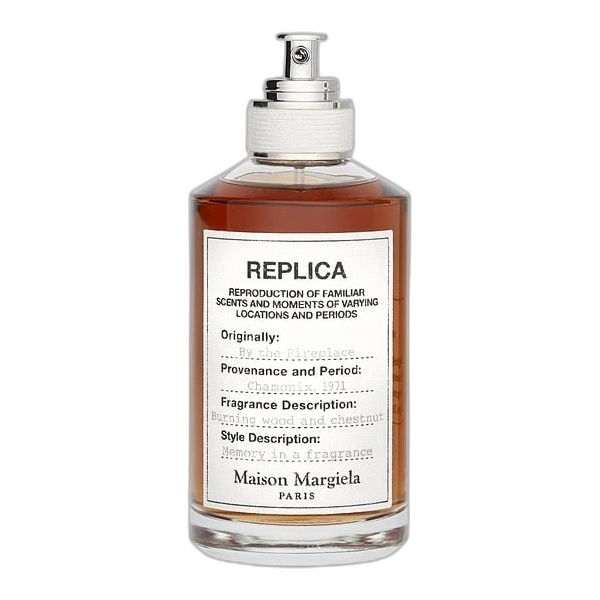
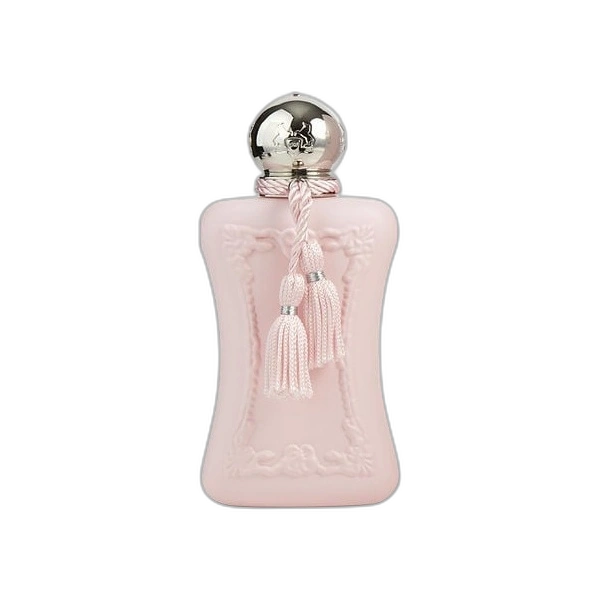
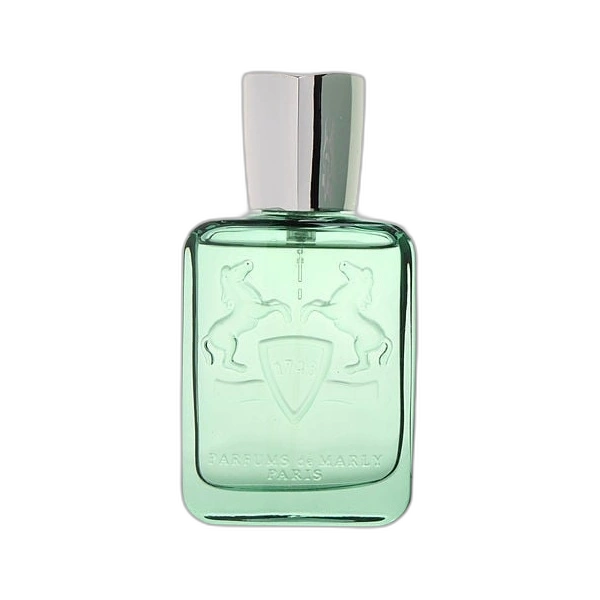
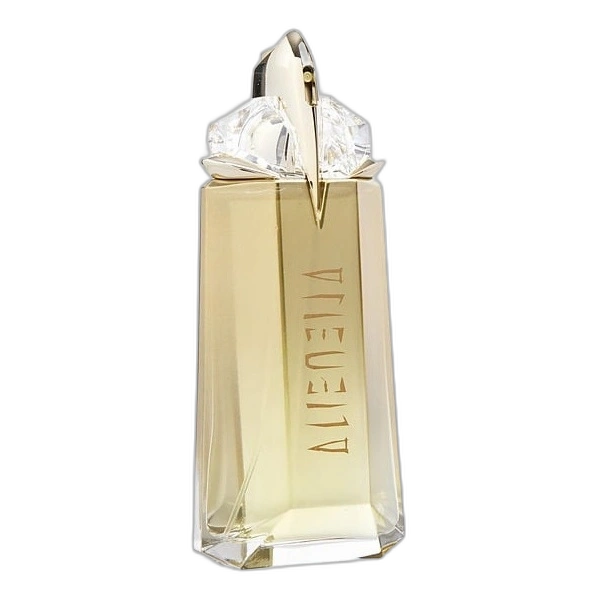
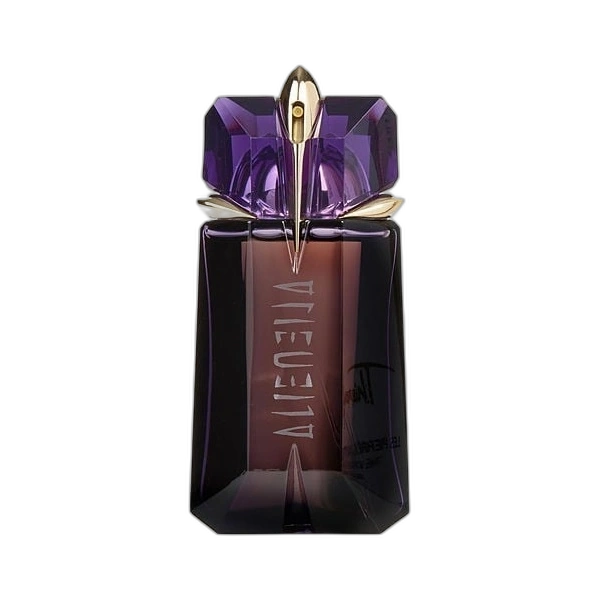
Used in the heart or base, cashmeran wraps a composition, bridges florals and woods, and adds volume without weight. It works with musks, amber, vanilla, orris and rose. Mugler uses it in Alien to warm jasmine, Parfums de Marly slips it into the base of Delina, and Maison Margiela relies on it in Replica By the Fireplace for that woollen, fireside effect.
How to wear it
Best in autumn and winter, cashmeran suits lovers of soft, cocooning skin scents worn like a favourite sweater.