A short history
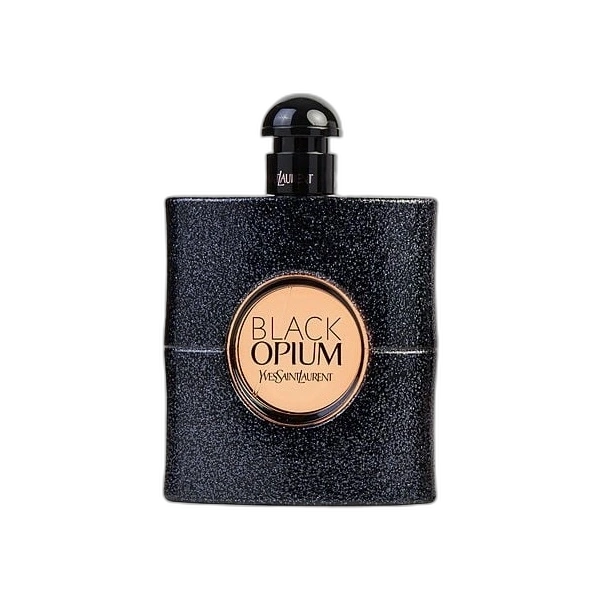
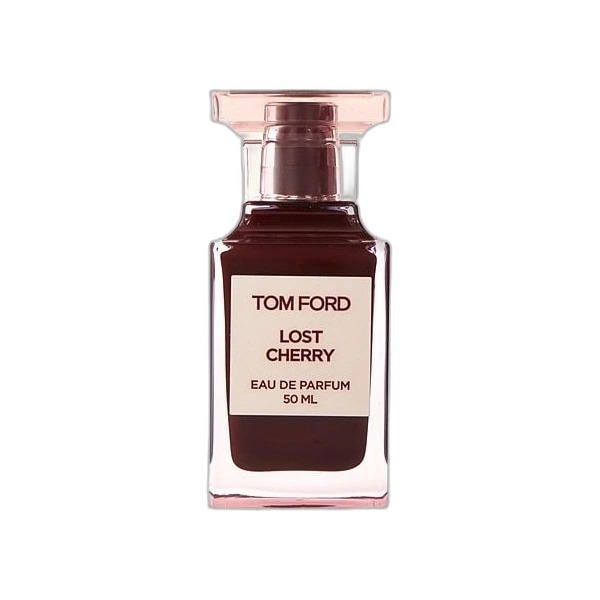
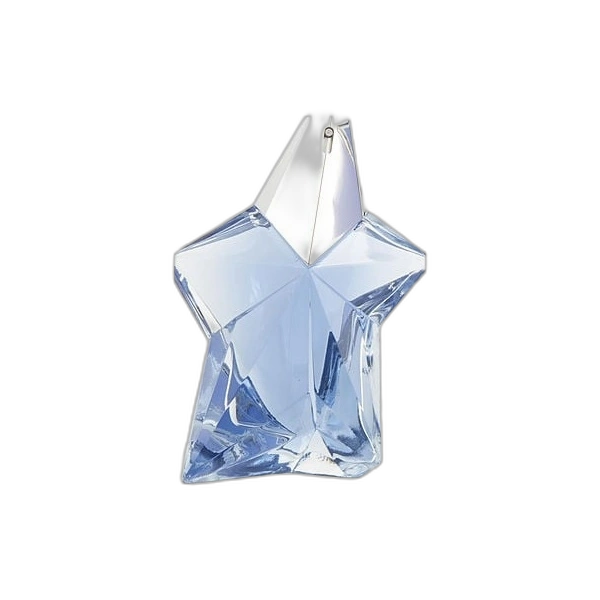
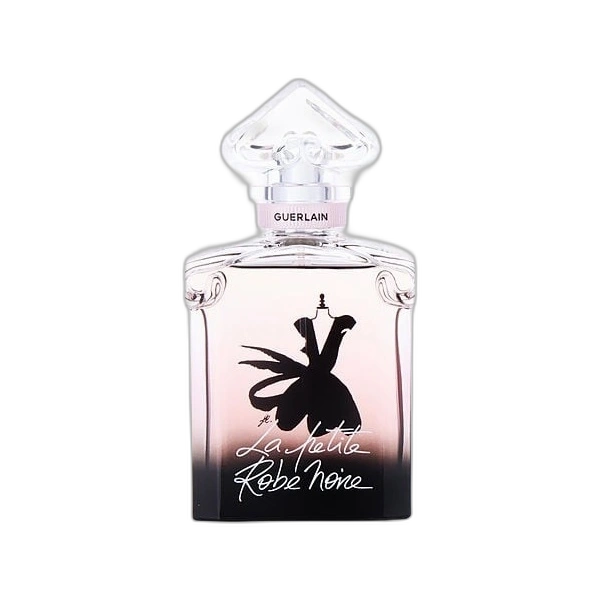
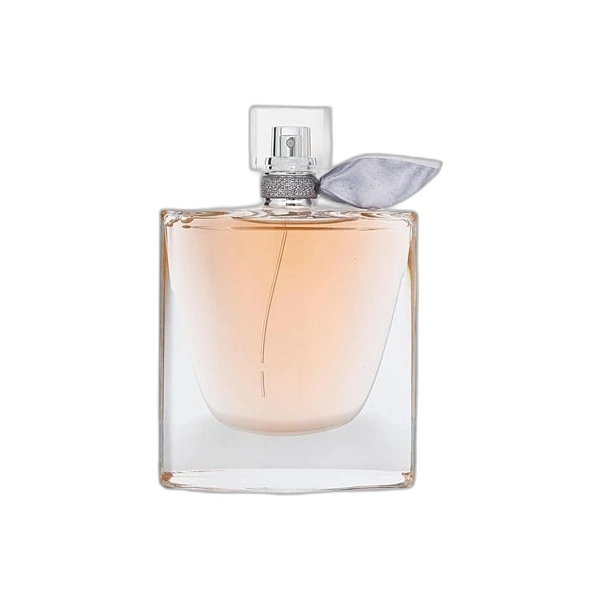
Vanilla and tonka already scented Shalimar and Jicky, but those were called orientals. The break came in 1992 with Mugler's Angel, composed by Olivier Cresp, which paired an overdose of ethyl maltol, a molecule that smells of candy floss and caramel, with massive patchouli. The shock was such that a new family was born. Mugler translated the idea for men in 1996 with A*Men, all coffee and tar. The 2000s and 2010s turned gourmands into a mass phenomenon: Guerlain's La Petite Robe Noire played cherry and almond in 2009, Lancôme's La Vie est Belle established praline iris in 2012, and Yves Saint Laurent's Black Opium laid coffee over vanilla in 2014. More recently, Ariana Grande's Cloud and Tom Ford's Lost Cherry showed that the style spans every segment, from affordable to niche.
Sub-families
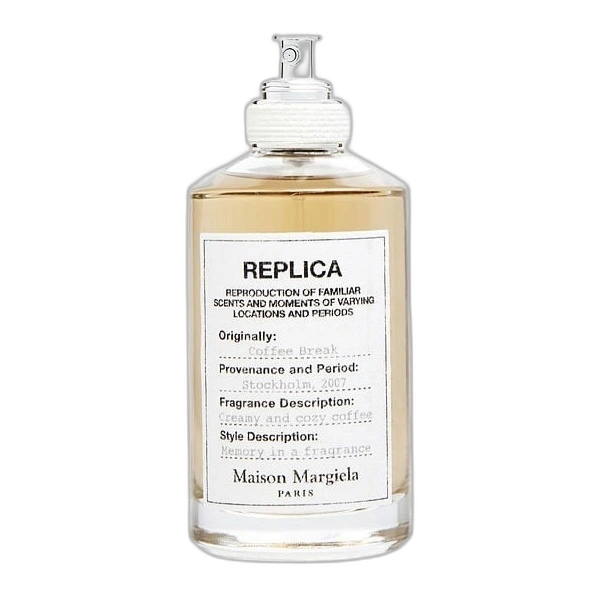
Vanilla gourmands, the most common, lean on vanilla and tonka. Caramel or praline gourmands, in the line of Angel and La Vie est Belle, play with cooked sugar. Coffee or cocoa gourmands, like Black Opium or Coffee Break, bring a roasted bitterness. Fruity gourmands add cherry, pear or candied red fruit. Woody or tobacco gourmands, finally, make the sugar drier and more grown-up. Many recent gourmands also borrow from floral and musky families to feel lighter. The balance between sugar and bitterness usually decides how grown-up a gourmand smells.
How to wear it
Gourmands fill a room fast: one spray on the nape and one on clothing is enough. They shine in cold weather, when body heat diffuses them gently. In summer or in meetings, choose a gourmand lifted by citrus or musk, which feels less overwhelming. Moisturised skin makes them last even longer.