Our take
What does Bleu de Chanel smell like?
Bleu de Chanel marked the house’s 2010 entry into contemporary woody aromatics, composed by Jacques Polge. The opening is bracing: grapefruit, lemon and mint create an almost effervescent brightness. The heart warms gradually with ginger and nutmeg, softened by a thread of jasmine. In this eau de parfum form, the base feels rounder and smokier, with creamy sandalwood, dry cedar and an incense that leaves a faintly resinous trail. The whole thing favours restraint and versatility over eccentricity, which explains why it became a staple of so many men’s wardrobes.
When to wear it
An all-rounder for the office or dinner; it suits men looking for polished, low-risk elegance.
The story of Bleu de Chanel
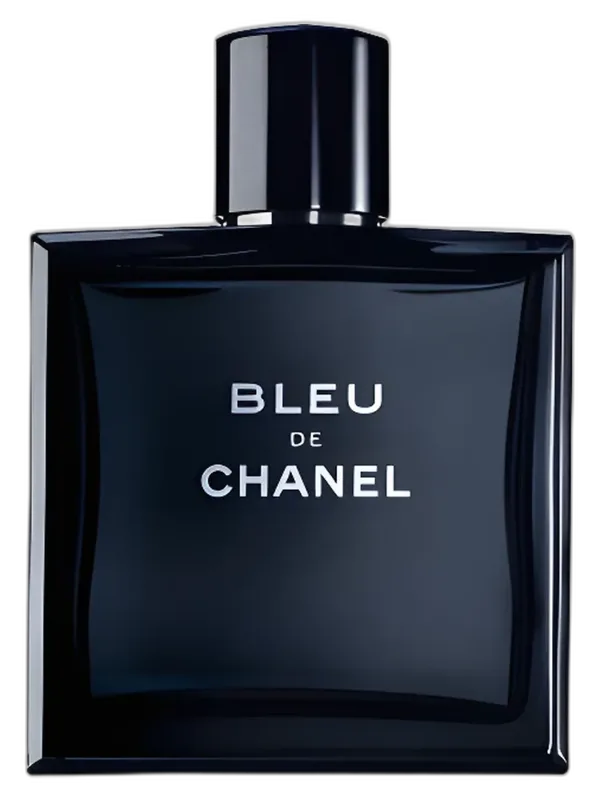
Chanel had not launched a major men's line since Allure Homme in 1999. By 2010 the market was full of easy fresh woods, and the house wanted something that would reach a younger buyer than Égoïste or Antaeus did. Jacques Polge, Chanel's in-house perfumer since 1978, built a very readable woody aromatic that uses citrus and ginger as the way into a base of incense and woods. The midnight-blue glass bottle is a plain rectangle with no ornament. The launch ad was a Martin Scorsese film starring Gaspard Ulliel, and it set the scent's image for years. An eau de parfum followed in 2014, rounder and woodier. The Parfum arrived in 2018, composed by Olivier Polge, with sandalwood pushed to the front. All three sit side by side on shelves and people mix them up constantly, online reviews included. This page covers the eau de toilette, the brightest and most lemony of the three.
Our detailed review
It opens with a lot of lemon. Grapefruit and mint give an instant clean-shaven feel, a bit like a hot towel at the barber's. Around the thirty-minute mark ginger and nutmeg step in and warm things up without adding weight. That is our favourite stretch. The jasmine is a rumour more than a note. After three or four hours incense and cedar leave a dry, faintly smoky base that sits close to the skin. Everything is tidy and nothing is crude. Our complaint is the caution itself. Bleu de Chanel takes no risks, and a crowd of later masculines now smell broadly like it. You catch it everywhere from the Tube to weddings, which bothers anyone who wants a personal signature. It suits the man who wants one bottle for everything, office to dinner. Fans of darker woods or a proper fougère will find it too smooth. The EDT is at its best in mild weather rather than deep winter.
Bleu de Chanel vs its rivals
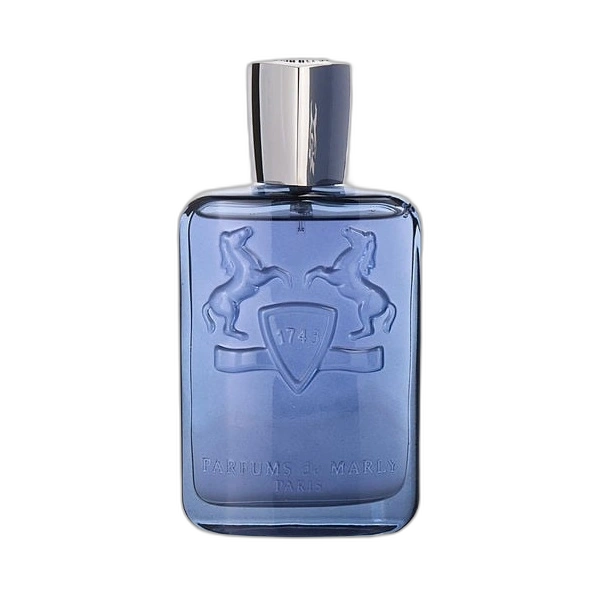
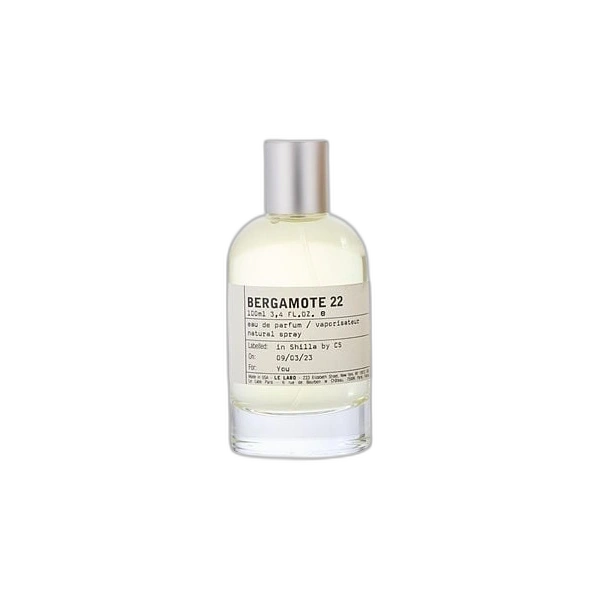
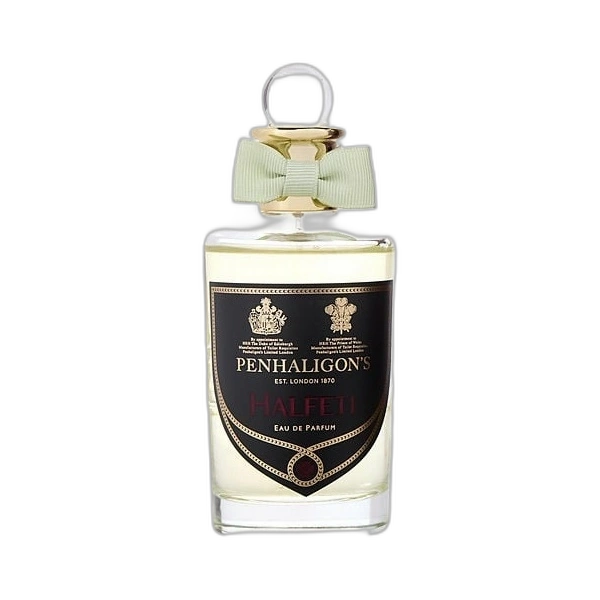
Sedley from Parfums de Marly copies Bleu's opening almost note for note: lemon, mint and grapefruit. Then it swerves into lavender and rosemary over a very loud ambroxan base. It smells more like a fresh shirt than a suit. Le Labo's Bergamote 22 shares the nutmeg and cedar but pushes bergamot forward and softens it with musk. It wears closer to the skin, without the incense that gives Bleu its gravity. Penhaligon's Halfeti overlaps only on grapefruit and nutmeg, plus some jasmine and wood. Saffron, leather and oud take it somewhere far more opulent. For a single all-rounder, Bleu is still the easiest choice. Sedley works better in summer. Bergamote 22 is for someone who wants to stay discreet, and Halfeti for the man who finds Bleu too well-behaved.
Longevity, projection and use
For an eau de toilette it is fairly strong, though longevity is decent rather than remarkable. Expect six to eight hours on skin, with clear projection for the first two hours before it settles into a closer bubble. Three sprays is right: one on each side of the neck and one on the chest or shirt. Two are enough for the office. It works in spring and autumn and through a mild winter. In high heat the citrus burns off quickly and the incense base can feel heavy. If you want more staying power in the evening, the EDP or Parfum makes more sense than piling on extra sprays.
It belongs to the Woody, Aromatic family. Bleu de Chanel is one of 13 creations by Chanel in our encyclopedia.