What does Aldehydes smell like?
Neat and concentrated, aliphatic aldehydes smell of hot metal, a snuffed candle, an iron pressed onto starched cotton. Diluted, they become a fine, almost effervescent froth somewhere between bar soap and orange zest. C-10 leans citrus, C-11 smells of fresh sheets, C-12 of wax with an ambergris shimmer. On skin their brightness rules the first minutes, then softens into a powdery halo that keeps lifting the floral heart long after the fizz has settled.
Origin and production
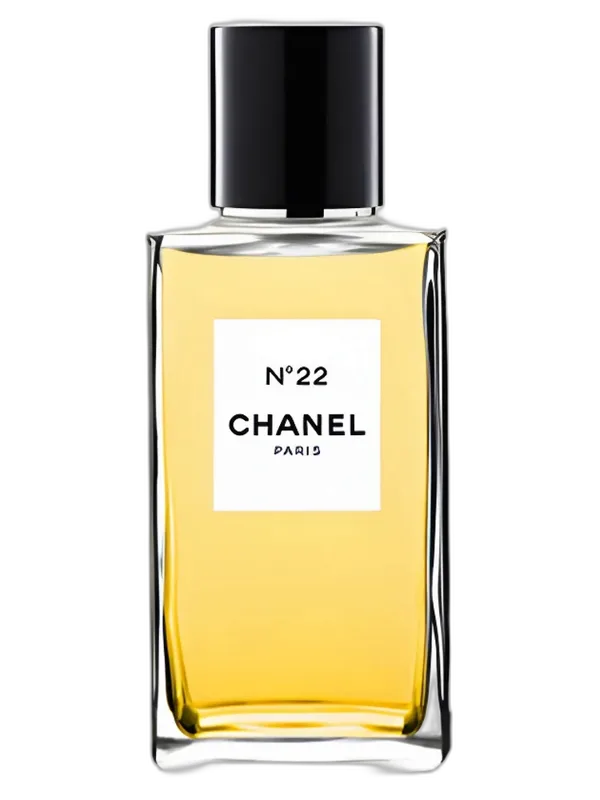
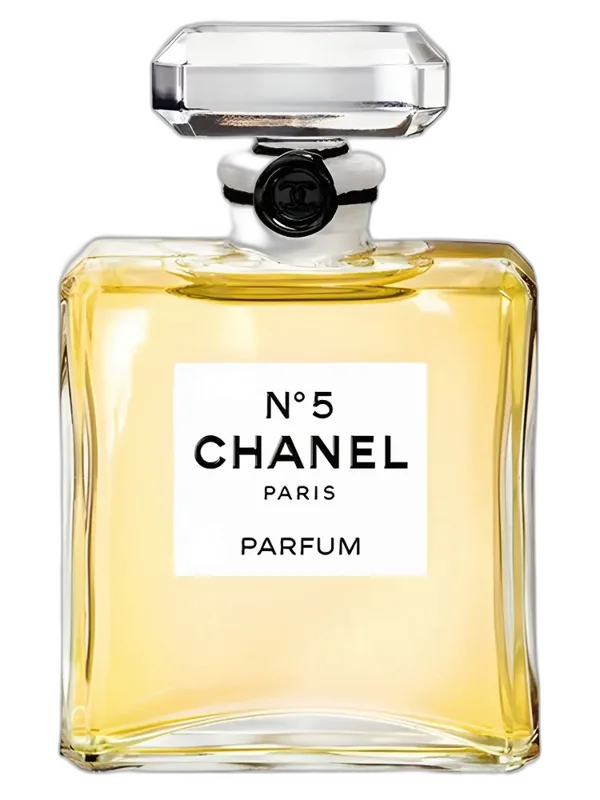
The aldehydes used in perfumery are organic compounds found in trace amounts in citrus peel and rose, but produced synthetically since the late nineteenth century. Perfumers name them by carbon count: C-10, C-11, C-12, or C-12 MNA. Their breakthrough came in 1921 with Chanel N°5, composed by Ernest Beaux, who dosed them at an unprecedented level. The entire floral aldehyde family, fashionable well into the 1960s, grew out of that single bold decision.
How perfumers use it
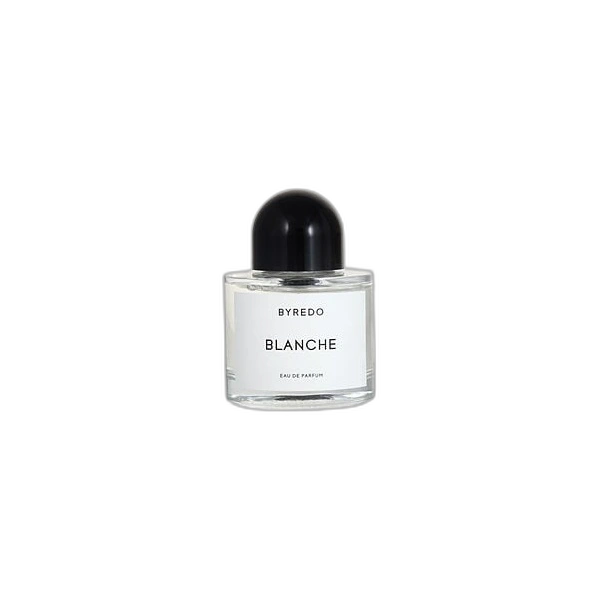
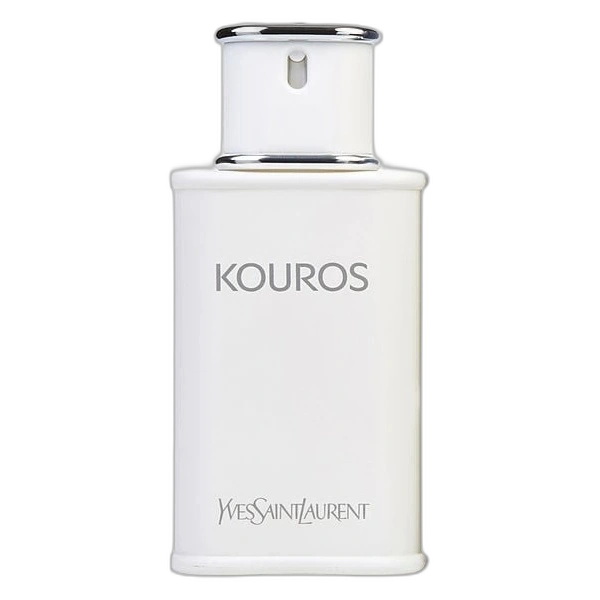
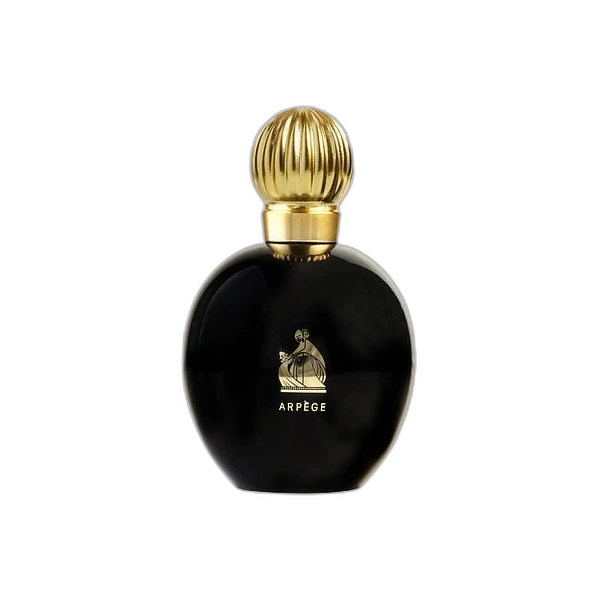
Used in the top notes, aldehydes work as an amplifier: they open a formula, add volume to jasmine, rose and ylang-ylang, and bring a polished, abstract elegance. The classic floral aldehyde accord pairs them with iris, sandalwood and vanilla, as in Chanel N°5 and Lanvin Arpège. They took a masculine turn in Yves Saint Laurent Kouros, and a squeaky-clean white-linen reading in Byredo Blanche, proving they are far more versatile than their vintage reputation suggests.
How to wear it
Aldehydic perfumes suit winter and spring and a polished, slightly retro style; they appeal to lovers of classic elegance and the scent of clean.