What does Ylang-Ylang smell like?
Ylang-ylang is rich and solar: floral and spicy, with facets of jasmine, banana, custard and sometimes a medicinal or skin-like touch. The first distillation fractions are fresher and more radiant, the last heavier and woodier. On skin the flower unfolds gently, creamy and round, then melts into vanilla, sandalwood and musks for a sensual warmth that lingers softly. A little goes a long way.
Origin and production
Ylang-ylang comes from Cananga odorata, a tree native to Southeast Asia and now grown mainly in the Comoros, Mayotte and Madagascar, especially on Nosy Be. The flowers, picked early in the morning, undergo fractional steam distillation, yielding successive grades known as extra, I, II and III, or a complete oil. Present in many classic florals, it is one of the great flowers of French perfumery.
How perfumers use it
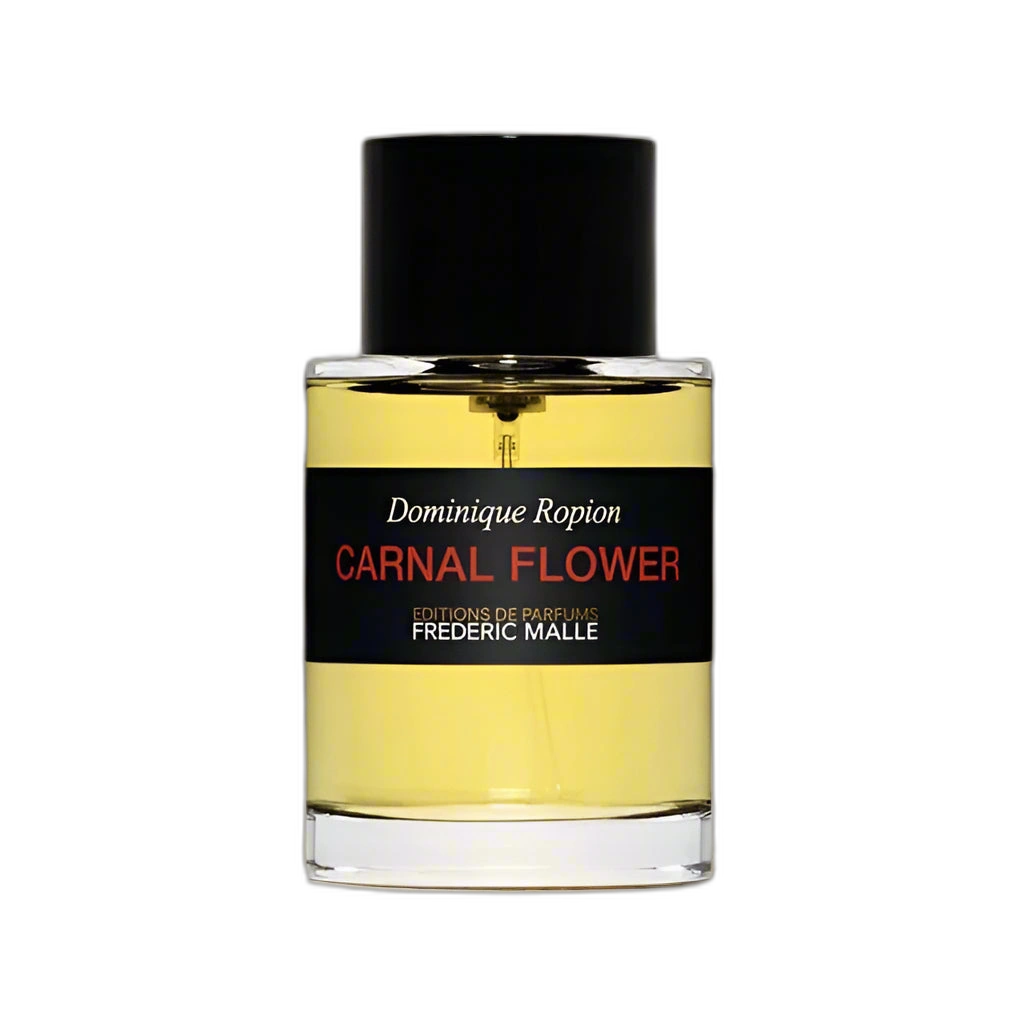
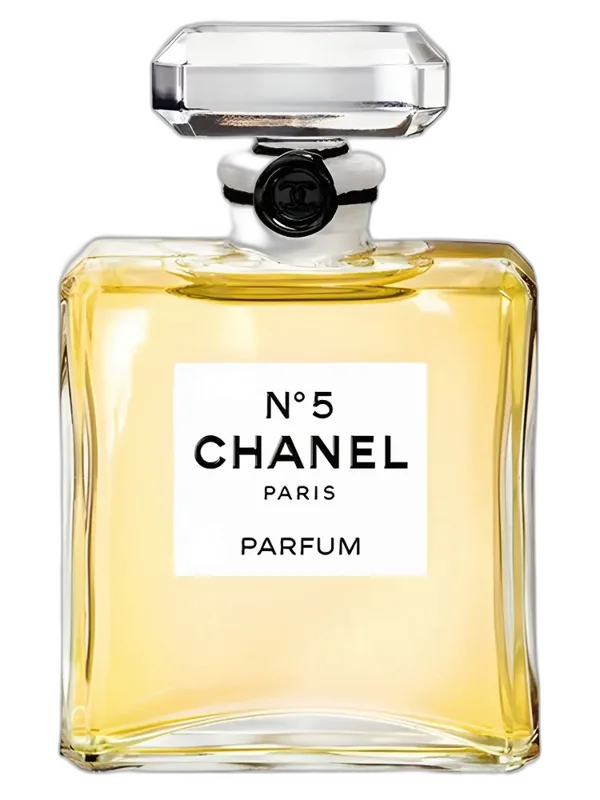
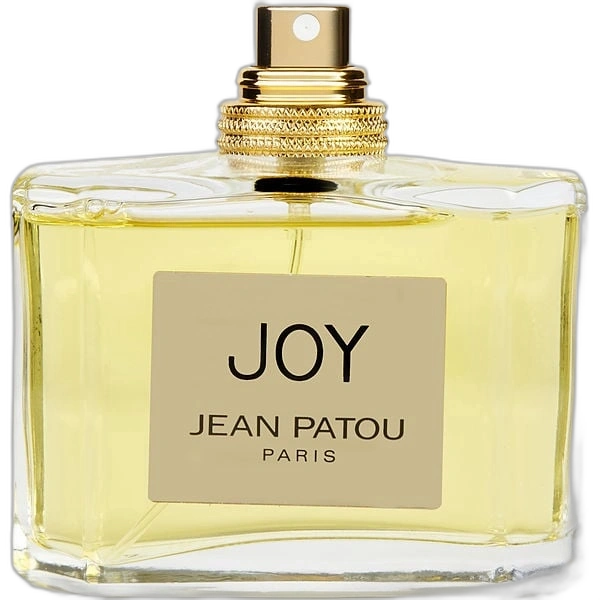
Placed in the top or heart, ylang-ylang brings roundness, solar radiance and sensuality. It pairs with jasmine, tuberose, rose, neroli, vanilla and sandalwood. Chanel N°5 uses it in the top to round out its aldehydes; Patou's Joy weaves it into an opulent floral bouquet, and Frédéric Malle's Carnal Flower pairs it with tuberose to underline its creamy facet. Used in excess, it can feel heady.
How to wear it
Ylang-ylang suits spring and summer, and evenings in any season. It appeals to people who love sensual, sunny, generous florals.