The story of Estée Lauder
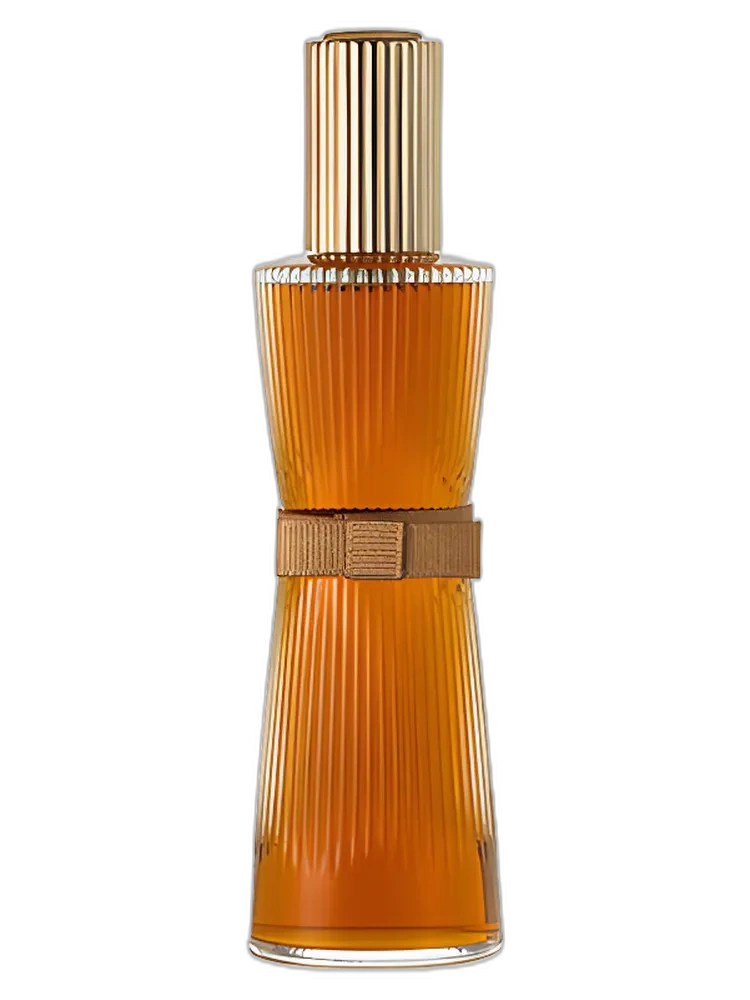
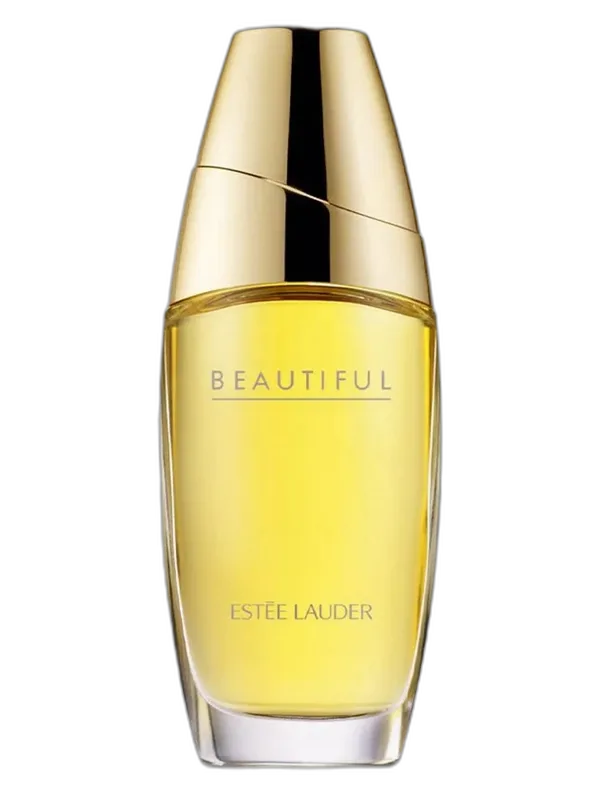
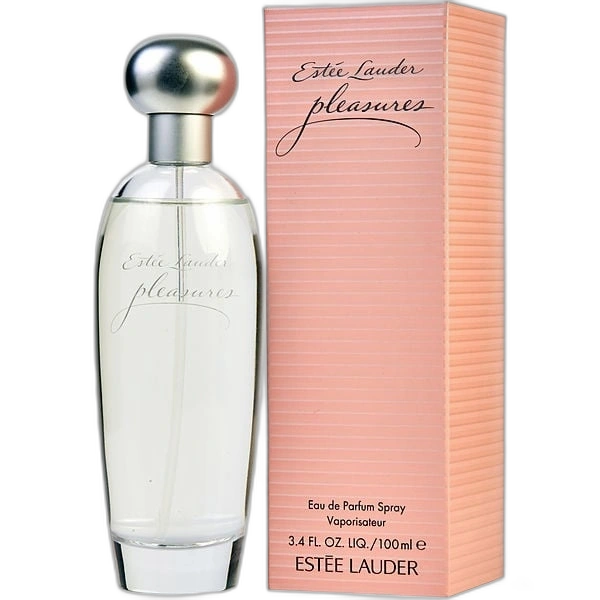
Estée Lauder and her husband Joseph founded their company in 1946 around a handful of skincare creams. The house entered fragrance history in 1953 with Youth Dew, presented as a scented bath oil: the idea allowed American women to buy perfume for themselves, at a time when fragrance was mostly received as a gift. The success was enormous and put the brand on a lasting footing. Over the decades the company grew into an international cosmetics group that would later acquire many other brands, including niche perfume houses. In 1985 Beautiful celebrated a monumental floral bouquet, conceived as a wedding fragrance. Pleasures, launched in 1995, went the other way with a sheer, fresh floral in tune with the minimalism of the decade, and became one of the house's best sellers, still widely worn today.
An olfactory signature
The Estée Lauder signature is floral, generous and genuinely present on skin. Youth Dew blends aldehydes, peach and bergamot with a heart of rose, jasmine and ylang-ylang over a spicy base of vanilla, patchouli and musk. Beautiful stacks rose, lily, jasmine, tuberose and carnation into an expansive bouquet. Pleasures, airier, pairs violet leaf, green notes and pink pepper with peony and lily. Three eras, one shared taste for abundant, confident flowers.
Which Estée Lauder perfume to choose?
For a spicy, vintage oriental with serious staying power, Youth Dew is the historic choice, best kept for evenings. If you dream of a grand romantic bouquet for special occasions, Beautiful is made for it. For a fresh, clean floral you can wear every day, Pleasures is the easiest of the three. Start there if you are new to the house.