What does Cumin smell like?
Cumin smells of toasted seeds, spiced bread and, more disconcertingly, warm skin after exertion. That animalic facet comes from cuminaldehyde, its main molecule. In small amounts it simply adds relief and warmth; in large amounts it turns frankly sweaty and polarising. On skin it merges with flowers and woods to create an intimate, almost bodily impression that lingers for a long time.
Origin and production
Cumin comes from the seeds of Cuminum cyminum, a plant of the carrot family grown since antiquity around the Mediterranean and the Middle East. India is now the world's leading producer, ahead of countries such as Iran and Turkey. The essential oil is steam-distilled from crushed seeds. Its role in fine fragrance grew during the twentieth century, particularly in compositions designed to suggest the sensuality of skin.
How perfumers use it
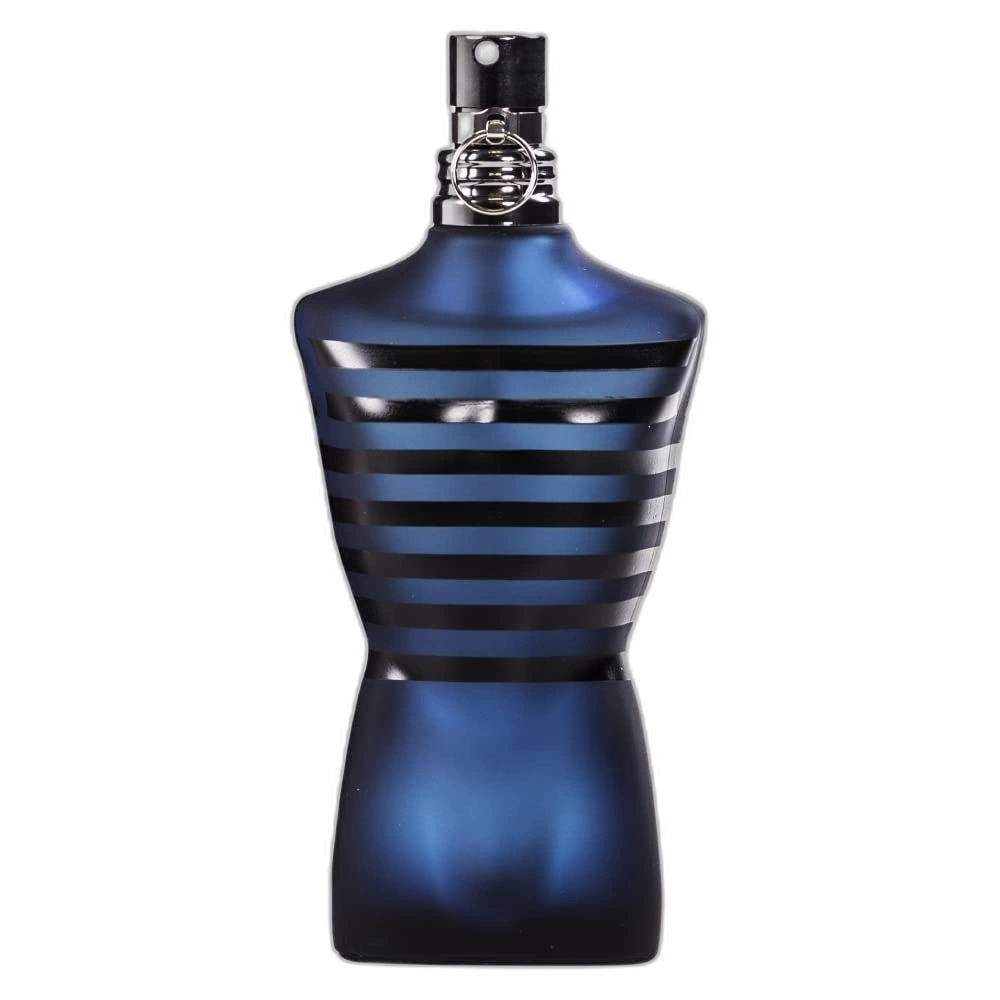
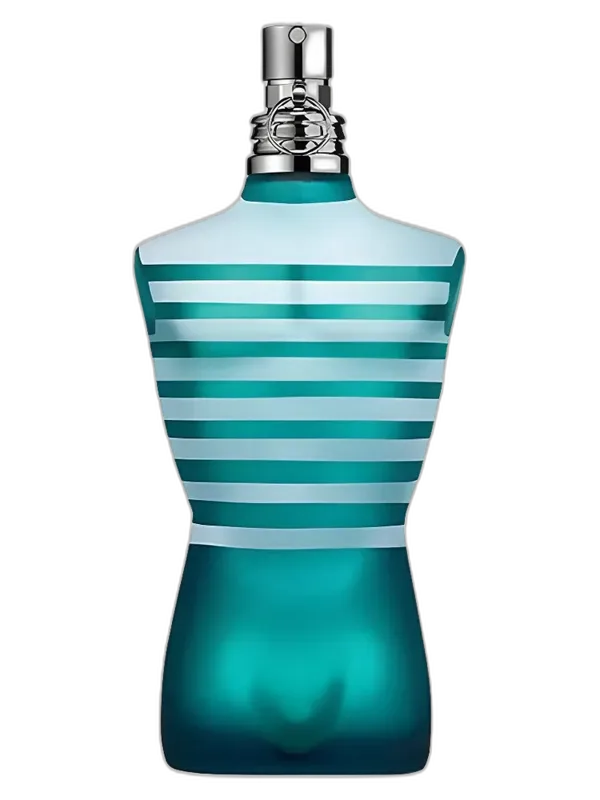
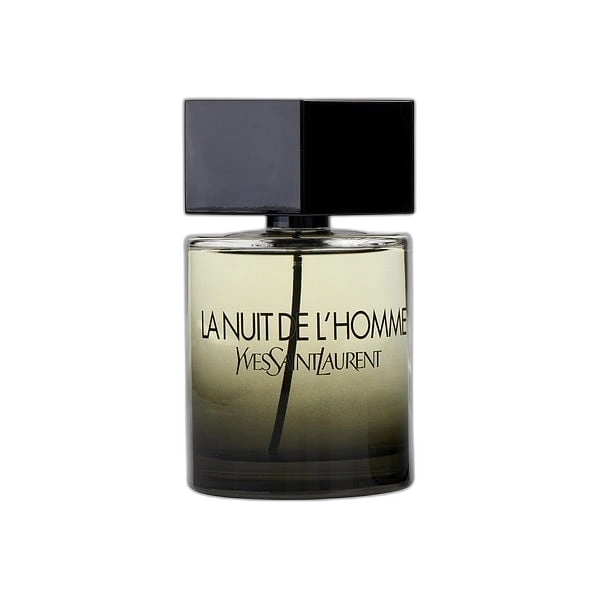
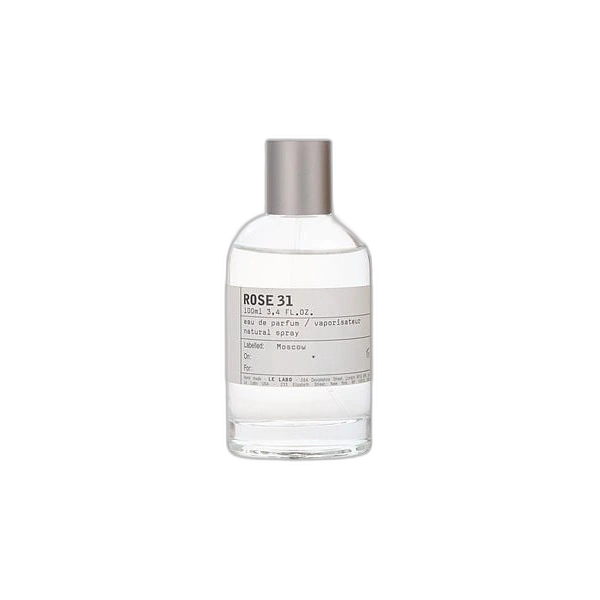
Cumin goes in the top or heart, always sparingly. It warms rose, lavender, jasmine and woods, and creates a striking contrast with fresh notes. Jean Paul Gaultier's Le Mâle uses it in a spicy heart beside cinnamon, Yves Saint Laurent's La Nuit de l'Homme pairs it with cardamom and lavender, and Le Labo's Rose 31 makes it the spicy companion of rose.
How to wear it
Best in autumn and for evenings, cumin appeals to people who like sensual, slightly daring scents far from squeaky-clean freshness.