Era

The 1950s, perfume enters the home

Post-war prosperity democratised perfume. The United States became a major player, and French houses invented the luxury men's fragrance.

2perfumes
2houses
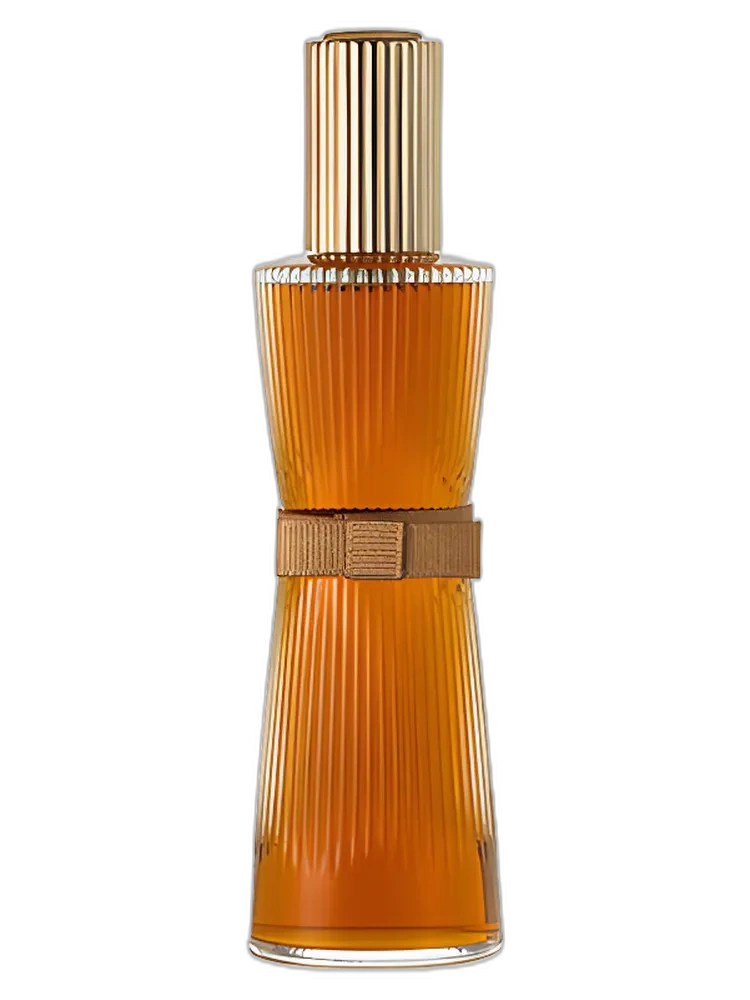
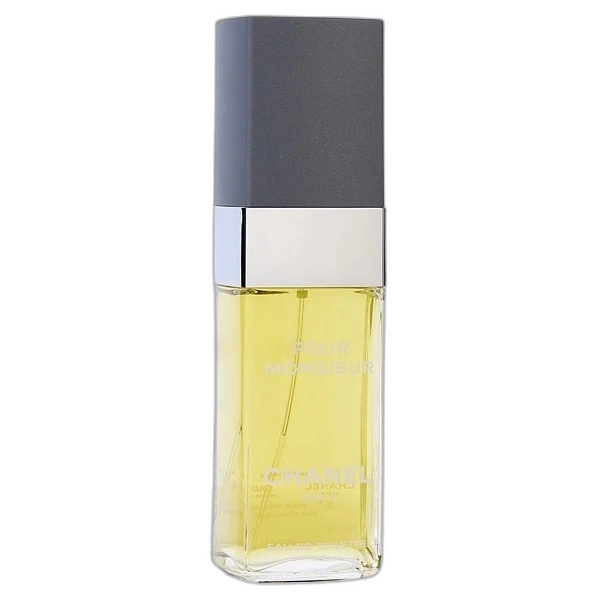
Youth Dew Estée LauderPour Monsieur Chanel

The spirit of a decade

The 1950s were years of reconstruction and growth. The middle class expanded and perfume left the narrow circles of haute couture. In the United States, Estée Lauder launched Youth Dew in 1953, presented as a scented bath oil: women could buy it for themselves instead of waiting to receive it as a gift. Its dense, spicy amber accord was a considerable success. In France, Chanel presented Pour Monsieur in 1955, a restrained citrus chypre and one of the first major men's fragrances from a couture house. Dior released Diorissimo in 1956, a lily of the valley by Edmond Roudnitska, and Guerlain launched Vetiver in 1959. Men's perfumery began to take shape, while mass retail and advertising imposed new ways of selling fragrance to a much broader public.

The houses

Most represented houses

Frequently asked questions

Why did Youth Dew make history?

Youth Dew was presented as a scented bath oil, which encouraged women to buy it for themselves rather than wait for a gift. That positioning helped democratise perfume in the United States. Its spicy amber accord remains instantly recognisable today.

What was Chanel's first men's fragrance?

Pour Monsieur, launched in 1955, is generally presented as Chanel's first men's fragrance. Created under Henri Robert, it is an elegant, understated citrus chypre. It is part of our selection and remains available in the house's range to this day.

Which 1950s perfumes are still famous?

Estée Lauder Youth Dew, Chanel Pour Monsieur, Dior Diorissimo and Guerlain Vetiver remain benchmarks. They illustrate two trends of the decade: the rise of the American market and the birth of a refined men's perfumery offered by the great houses.