Era

The 1960s, the freshness of a generation

The 1960s shook up the codes: youth culture, ready-to-wear and changing social mores called for lighter, fresher and freer perfumes.

2perfumes
2houses
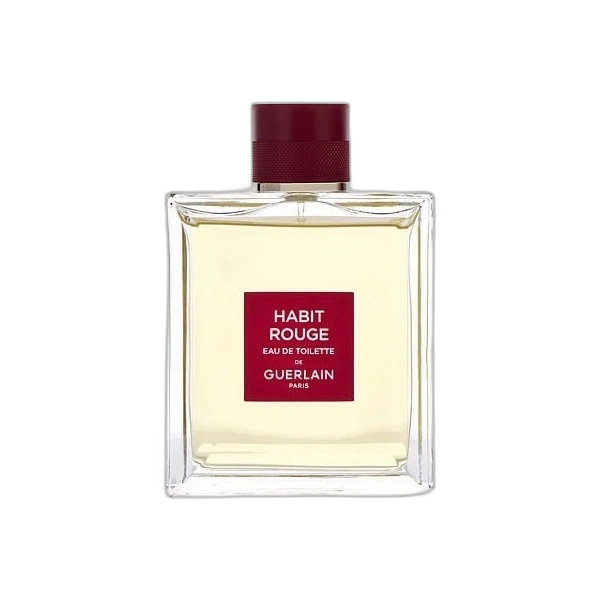
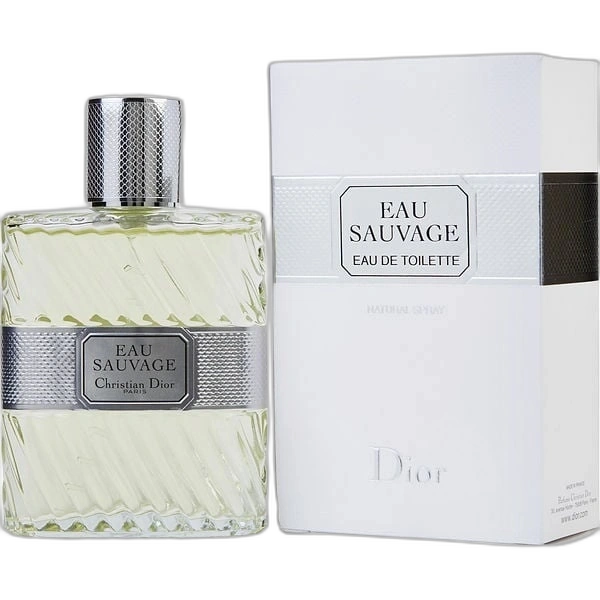
Habit Rouge GuerlainEau Sauvage Dior

The spirit of a decade

The baby boomers came of age, ready-to-wear challenged haute couture and youth became a target market. Perfumery grew more transparent. In 1965, Guerlain launched Habit Rouge, composed by Jean-Paul Guerlain and often presented as one of the first masculine ambers, where citrus and cinnamon meet vanilla. The next year, in 1966, Edmond Roudnitska created Eau Sauvage for Dior. He used hedione, a molecule that smells of transparent jasmine, which gave citrus a new radiance and diffusion. This technical innovation would have a lasting influence on perfumery, feminine and masculine alike. The end of the decade also brought more modern floral aldehydes, such as Paco Rabanne's Calandre in 1969, in tune with the futuristic aesthetic of the era and its fascination with metal and space.

The houses

Most represented houses

Frequently asked questions

What is hedione?

Hedione is a synthetic molecule that smells of fresh, transparent, slightly lemony jasmine. Dior's Eau Sauvage, in 1966, is known as the first major perfume to use it prominently. It adds air and diffusion, and it now appears in the vast majority of perfumes.

Is Habit Rouge the first masculine oriental?

Habit Rouge is often described as one of the first ambers designed for men. It combines citrus, flowers, cinnamon, vanilla and patchouli. A warm, vanilla-rich masculine was rare at the time, when men mostly wore colognes and fougères. It is part of our selection.

Which 1960s perfumes are still known?

Dior Eau Sauvage and Guerlain Habit Rouge, both in our selection, remain available and widely worn. Paco Rabanne's Calandre and Guerlain's Chamade, launched in 1969, are other notable creations of the decade, more niche in reputation today. Both are worth smelling for context.