What does Labdanum smell like?
Rich and dense, labdanum first suggests an ambery, balsamic resin with the sweetness of dark honey and dried fruit. Darker facets soon appear: leather, tobacco, charred wood and a warm animalic quality reminiscent of skin or ambergris. On skin it changes little but settles in for the long haul, bringing velvety depth and a warmth that can still be felt the next day.
Origin and production
Labdanum comes from gum rockrose, Cistus ladanifer, which grows wild in the scrublands of Spain, particularly Andalusia, and Portugal. In ancient Crete it was gathered by combing the beards of goats that grazed on cistus bushes. Today the twigs are boiled to release the gum, which is then processed into a resin, an absolute or an essential oil. Ancient texts refer to it as ladanum, a prized aromatic.
How perfumers use it
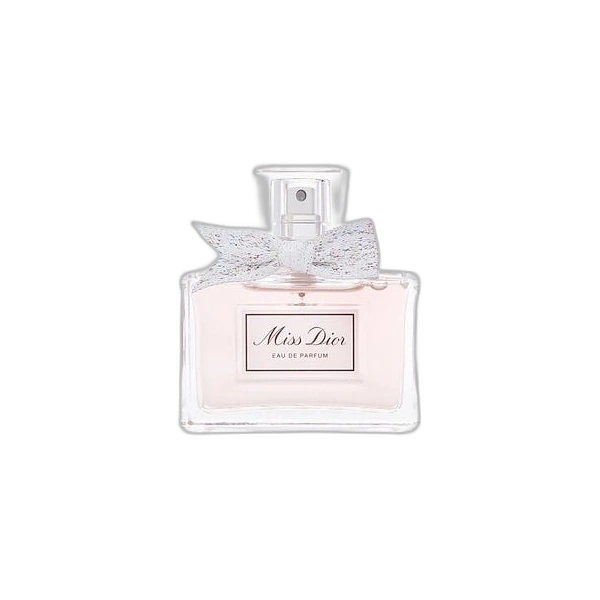
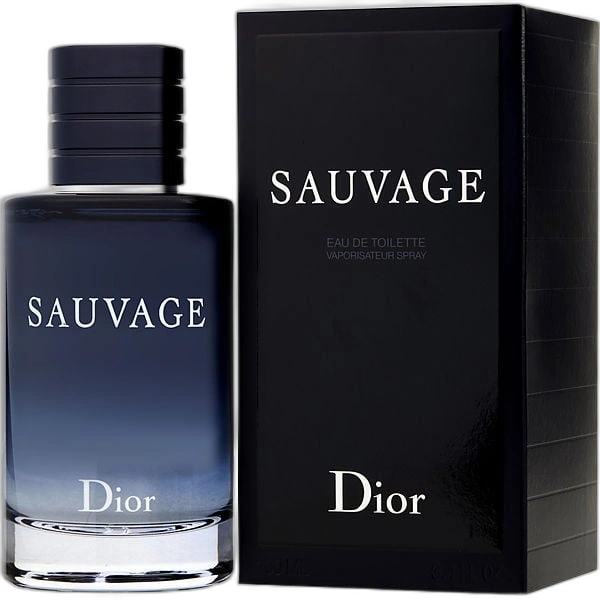
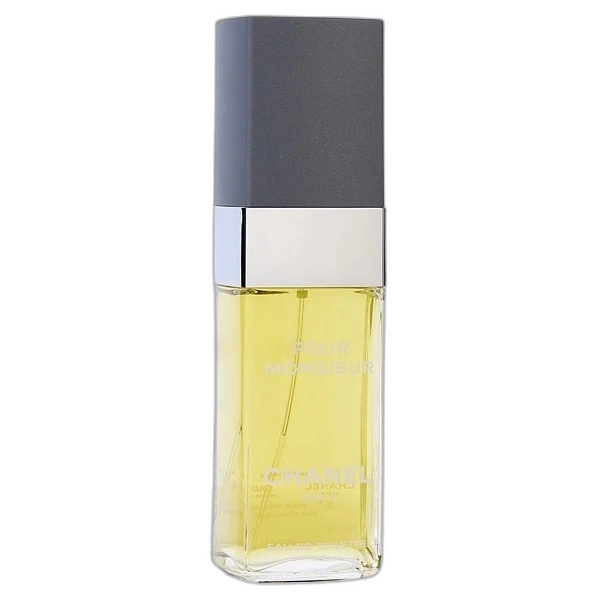
Mostly used in the base, sometimes in the heart, labdanum is the cornerstone of the amber accord alongside vanilla. In chypres it forms the founding trio with bergamot and oakmoss; Dior's 1947 Miss Dior is an example in our database. Chanel's Pour Monsieur uses it to give body to classic freshness, and Dior's Sauvage adds an ambery shadow to its woody base with it.
How to wear it
Labdanum is an autumn and winter note, for evenings and intimate moments. It appeals to those who like warm, deep, slightly leathery fragrances.