What does Almond smell like?
Almond opens on marzipan and cherry stone, with a slight bitterness that keeps it from turning into plain sugar. There is also a powdery, almost cosmetic facet reminiscent of old-fashioned hand cream and almond paste. On skin, the bright, fast-evaporating start softens quickly into something milky, then melts into the vanilla, tonka bean or heliotrope that so often surround it. It reads as comforting, a little nostalgic, and rarely shy.
Origin and production
The bitter almond smell does not come from the eating almond but from the kernels of bitter almond, apricot and peach. Their oil contains benzaldehyde and, in its raw form, hydrocyanic acid, so it has to be rectified before use. Today perfumers almost always work with synthetic benzaldehyde, identical to the natural molecule. Heliotropin and coumarin, the latter found in tonka bean, frequently extend that almond facet inside a formula.
How perfumers use it
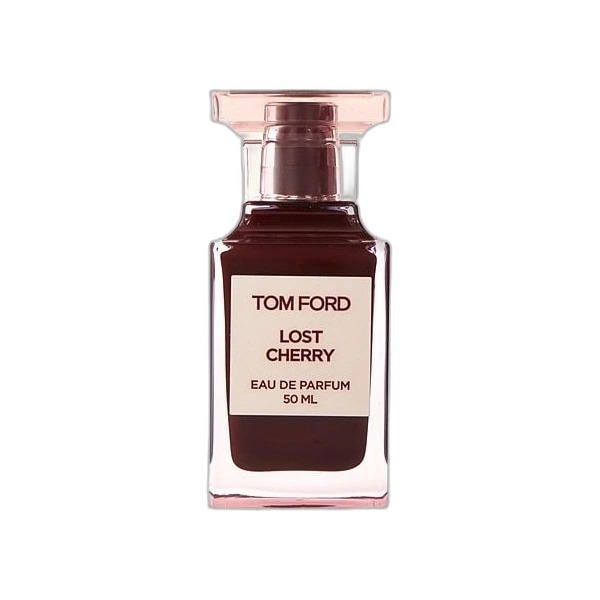
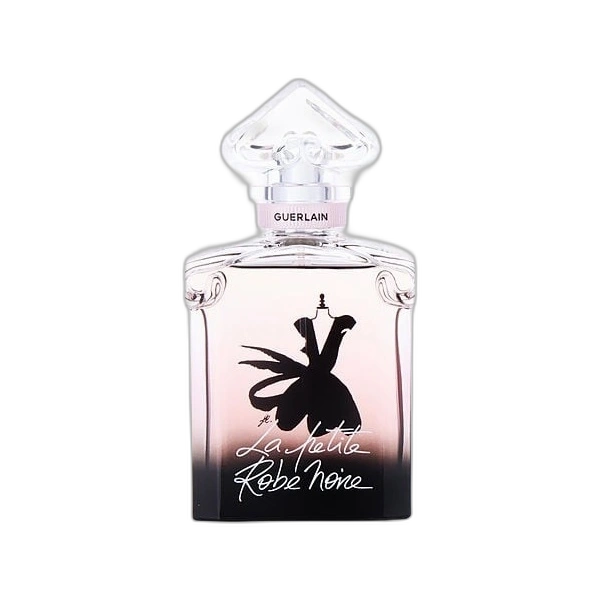
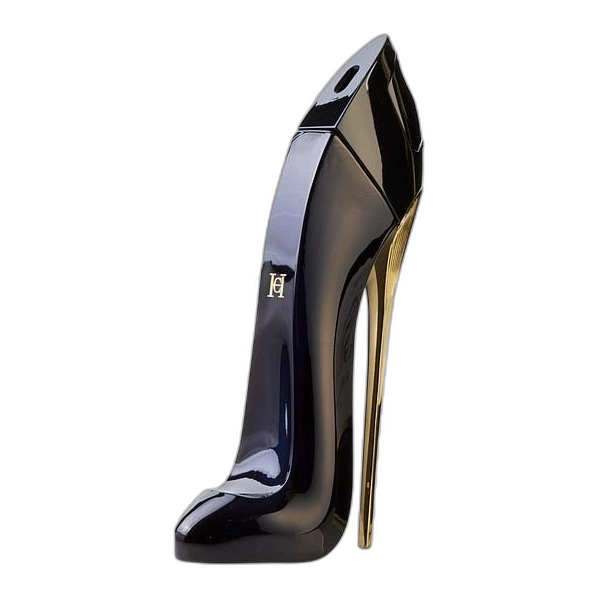
Highly diffusive, almond is dosed sparingly in the top or heart, where it lends an instant gourmand lift. It pairs naturally with cherry, vanilla, tonka and white flowers, making them feel plumper. Guerlain places it in the opening of La Petite Robe Noire, Carolina Herrera sets it against tuberose and cocoa in Good Girl, and Tom Ford folds it into the boozy cherry of Lost Cherry. The effect is pastry-shop comfort with a touch of cheek.
How to wear it
Best in autumn and winter, almond suits gourmand lovers who want sweetness with more texture and less sugar than vanilla alone.