A short history
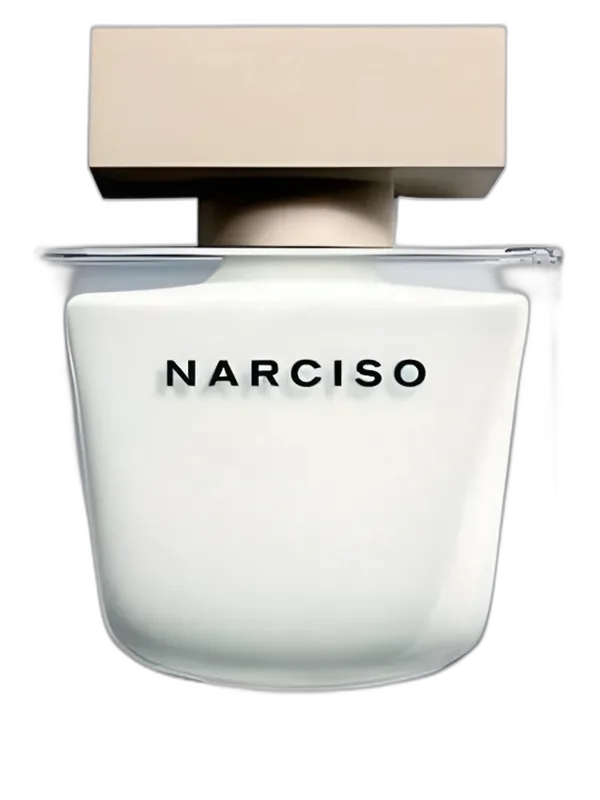
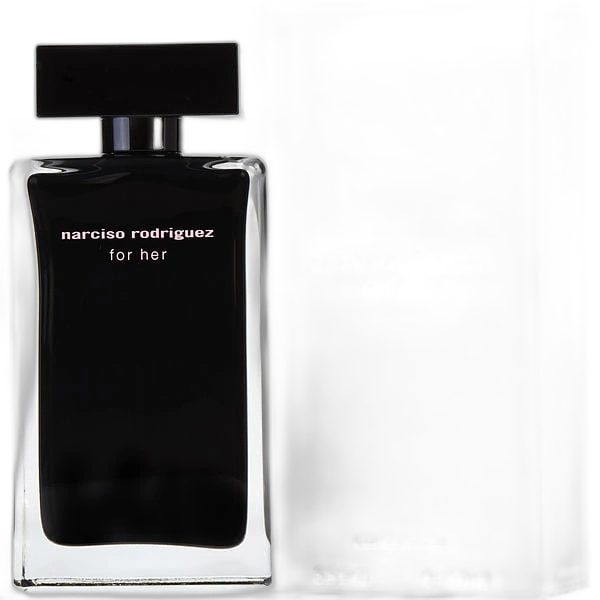
Natural musk came from a gland of the musk deer, a small Asian deer. Precious and animalic, it was used for centuries before perfumery abandoned it for ethical reasons and to protect the species. In 1888, the chemist Albert Baur discovered the first synthetic nitro musks by accident. Polycyclic musks such as galaxolide followed, then macrocyclic musks, closer to the natural material. During the twentieth century, musk took over detergents and soaps, which explains its association with cleanliness. In the 1980s, The Body Shop's White Musk popularised the "white musk" effect. In 2003, Narciso Rodriguez for Her, composed by Francis Kurkdjian and Christine Nagel, placed musk at the very heart of the composition. Since then, the rise of so-called skin scents has turned musk into a lasting trend.
Sub-families
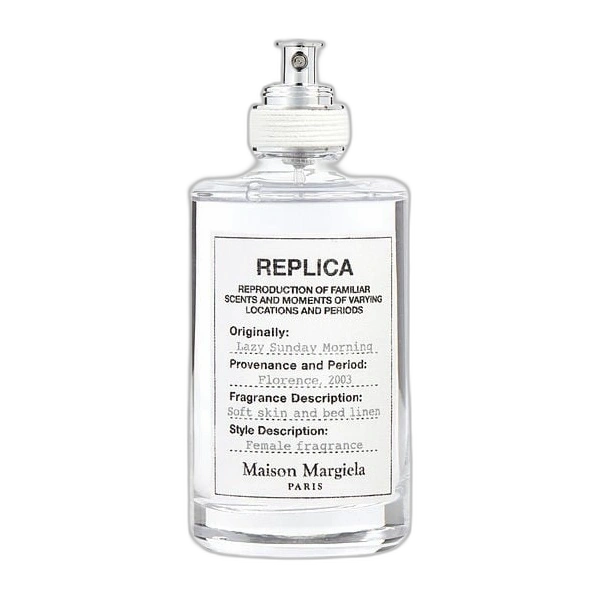
White or clean musk evokes fresh laundry and soap, like Maison Margiela's Lazy Sunday Morning. Skin musk, more intimate, imitates the smell of warm skin, in the spirit of Narciso Rodriguez for Her. Animalic musk, rarer, brings back a sensual, slightly dirty facet, as in Musc Ravageur. Floral musk pairs musks with light flowers such as iris, rose or orange blossom. Woody or amber musk, finally, extends it with cedar, ambrette or ambroxan for more body. Nearly every modern perfume contains some musk in its base.
How to wear it
Musks suit any occasion and work well in shared spaces, where a discreet scent is preferable. Some people cannot fully smell certain musks: if you notice nothing, resist adding more, because those around you probably can. Layered under another perfume, musks extend its wear and soften its edges. Apply after showering.