A short history
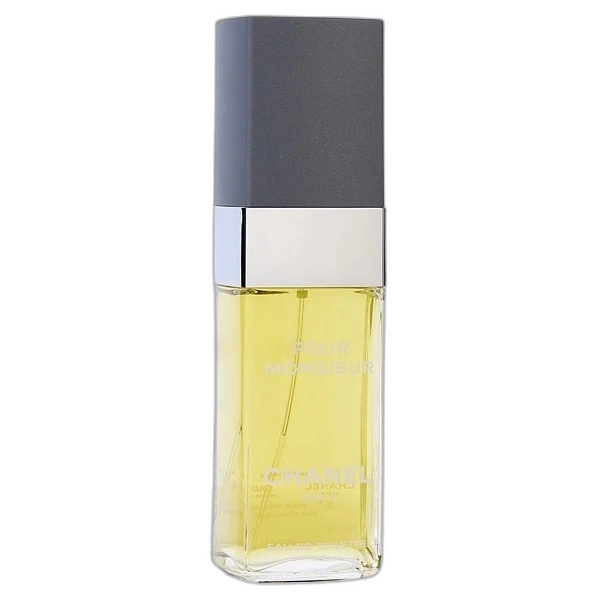
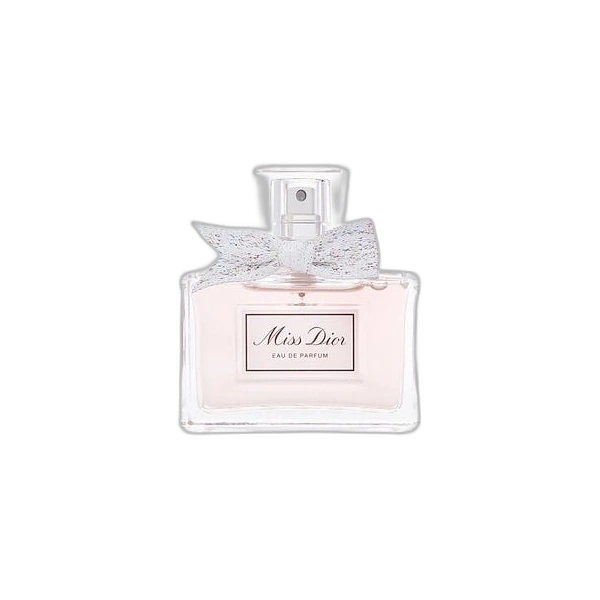
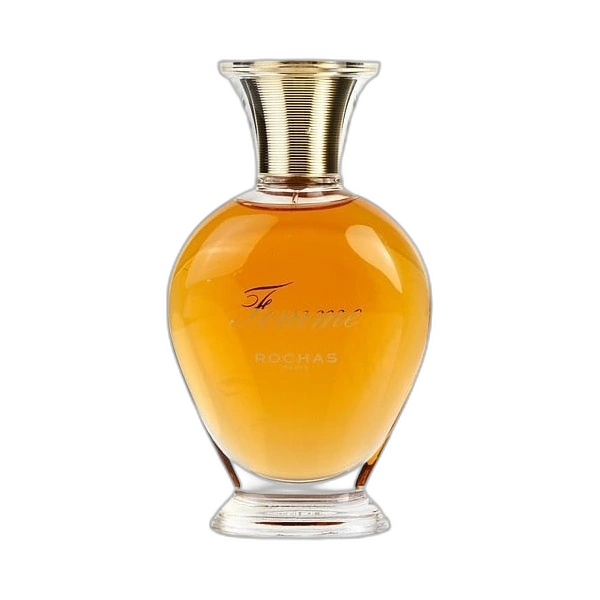
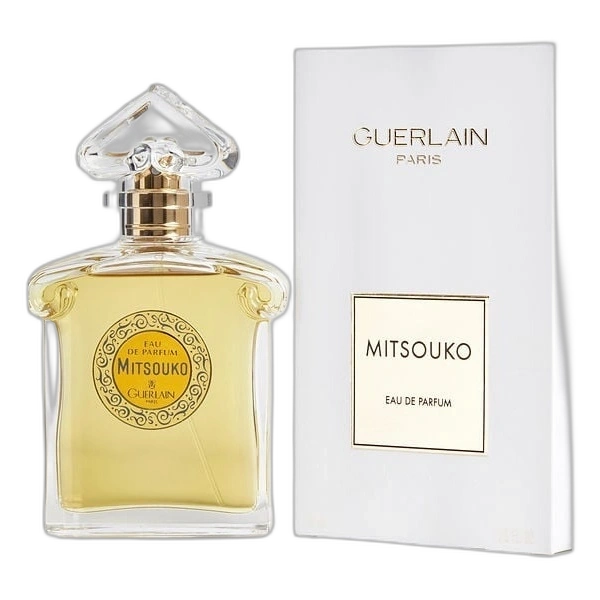
The family takes its name from Chypre, launched by François Coty in 1917, which fixed the bergamot, oakmoss and labdanum accord. The word is French for Cyprus, an island prized since antiquity for its aromatic resins. Two years later Jacques Guerlain created Mitsouko, a peach-tinged chypre that remains one of perfumery's monuments. During the war, Edmond Roudnitska composed Femme for Rochas in 1944, melting plum into moss. In 1947, Miss Dior accompanied the New Look with a green chypre, and Chanel Pour Monsieur proved in 1955 that the accord suited men too. From the 2000s, IFRA restrictions on oakmoss forced reformulations of many historic chypres. Perfumers answered with the "neo-chypre", in which purified patchouli takes over, as in Coco Mademoiselle in 2001.
Sub-families
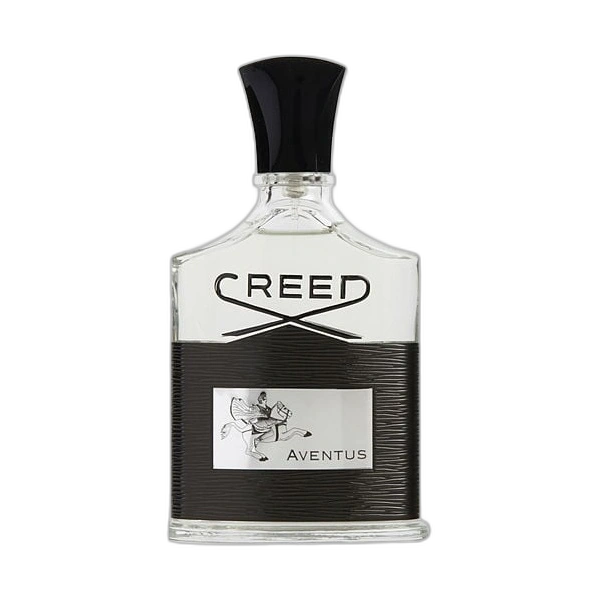
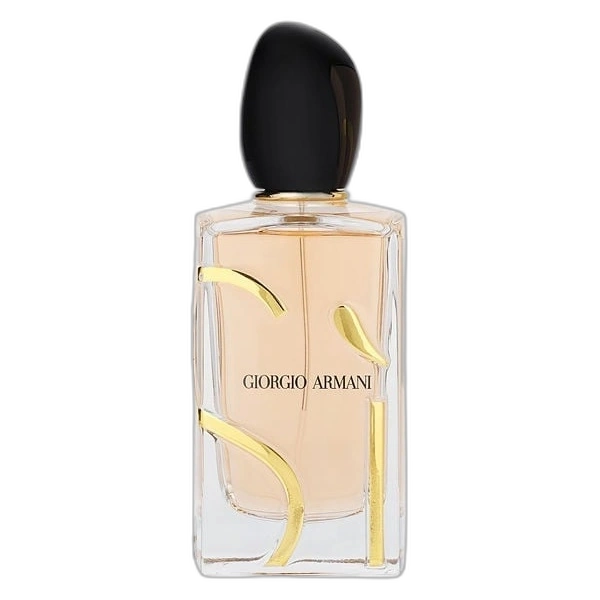
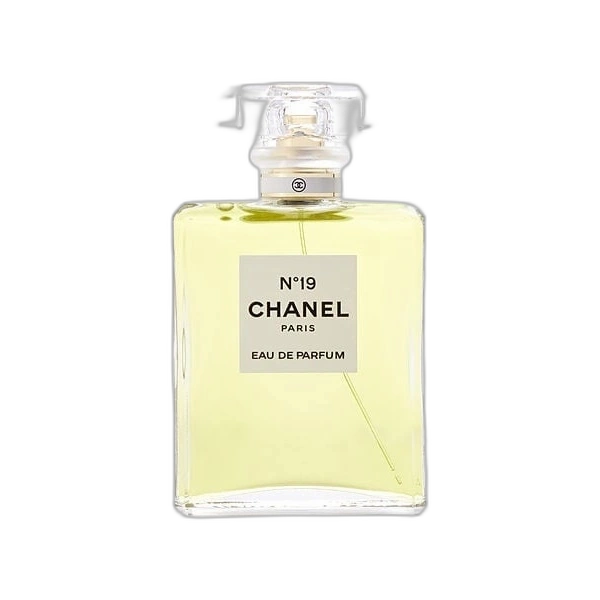
Floral chypres put a flower, rose or jasmine, over the mossy base. Fruity chypres add peach or plum, in the line of Mitsouko and Femme. Green chypres, driven by galbanum, bite harder, like the original Miss Dior or N°19. Leather chypres pair the accord with animalic notes. Modern neo-chypres swap the moss for clean patchouli and a fruity touch, as in Sì or Aventus. All of these variations keep the same tension between an airy top and a deep, shadowy base. That contrast, rather than any single ingredient, is what makes a perfume read as a chypre.
How to wear it
Chypre is a perfume of poise that pairs well with tailored clothes. It suits autumn and spring, when cool air sharpens its dryness. A single spray at the base of the neck is often enough: it lasts for hours and its trail aims for precision rather than volume. Avoid layering it with other scents.