What does Black Currant smell like?
The fruit facet is dark and sweet-sour, close to black-berry jam or cordial. The bud adds a sharp greenness and an animalic undertone that some liken to a crushed leaf, others to something wilder, almost feline. On skin, cassis bursts through the opening, then mellows against florals and patchouli, leaving a fruity, gently shaded trail. That tension between the edible and the green is its whole appeal.
Origin and production
The black currant berry (Ribes nigrum) yields no usable perfume extract. Perfumers instead rely on blackcurrant bud absolute, solvent-extracted from buds harvested in winter, notably in Burgundy, France's historic cassis region. This rare material is supported by synthetic molecules, including extremely potent sulphur compounds that recreate its wild facet. Cassis became a fixture of fruity florals during the 1980s and 1990s.
How perfumers use it
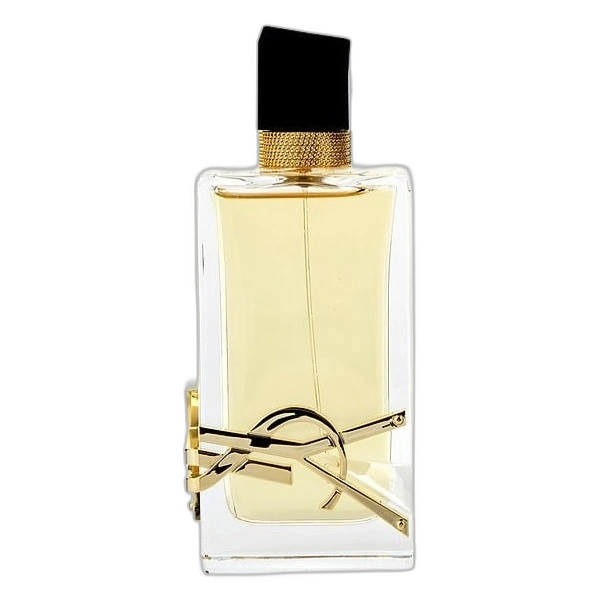
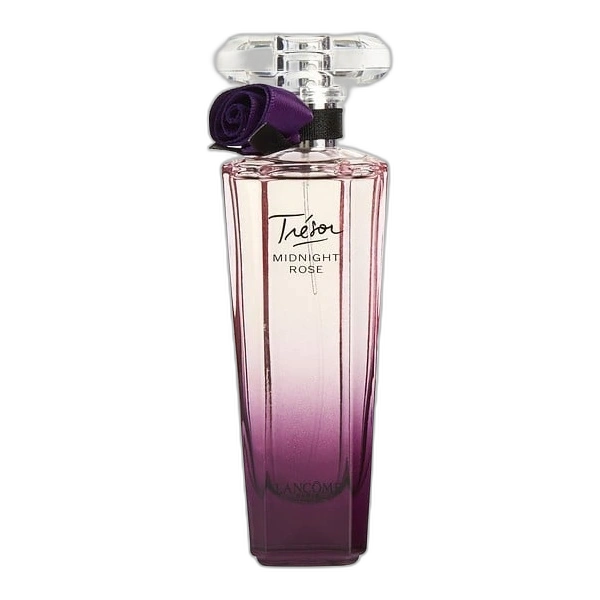
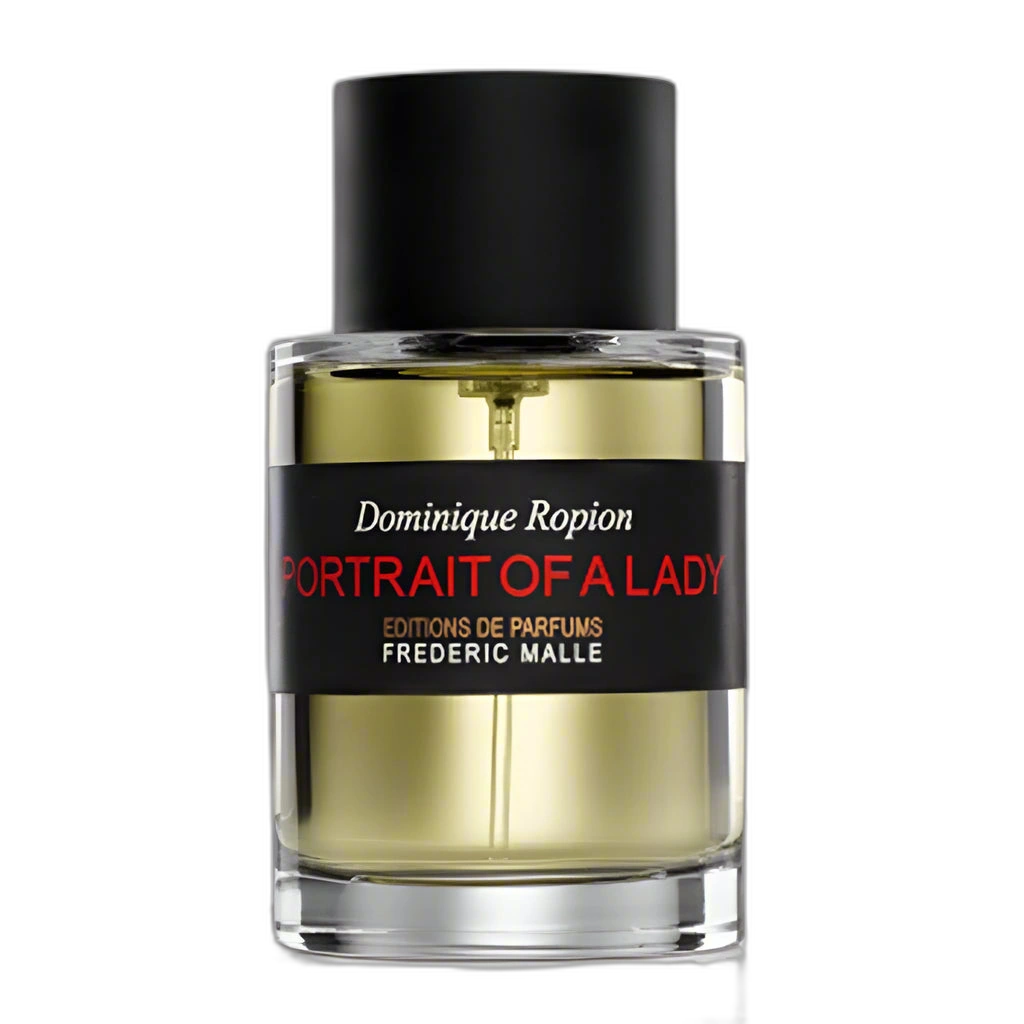
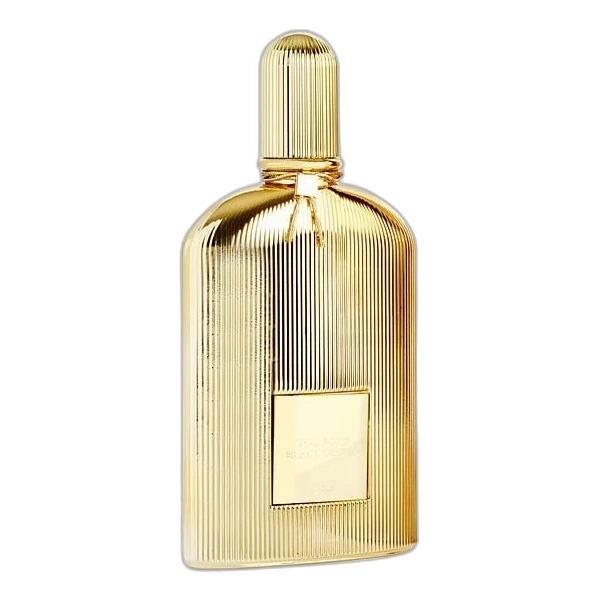
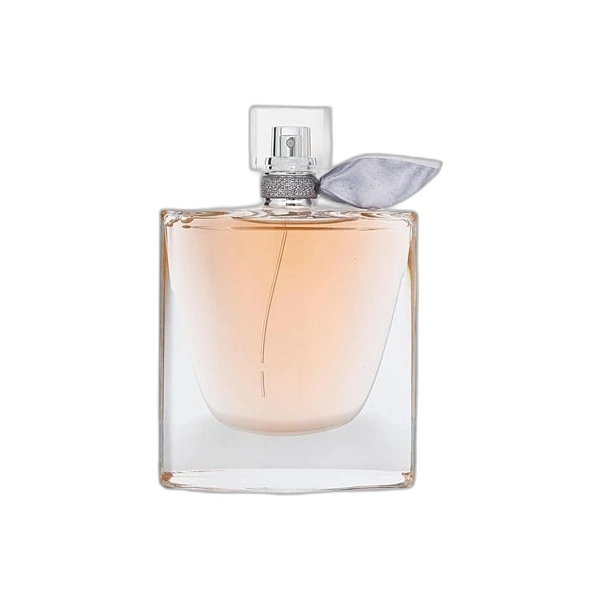
Placed in the top, cassis livens up a rose or jasmine bouquet and contrasts with dark bases. Rose and cassis form a classic pairing, and the note also sits well with patchouli, vanilla and woods. Lancôme La Vie Est Belle opens with it alongside pear, Yves Saint Laurent Libre pairs it with lavender and orange blossom, and Tom Ford Black Orchid uses it to add a dark fruity tint to its opulent composition.
How to wear it
Black currant works in any season and shines in autumn; it suits people who like elegant rather than sugary fruit.