Fragrance note

Bitter orange, the noble zest of the bigarade tree

Bitter orange, or bigarade, is the cold-pressed oil of the Citrus aurantium peel. It smells like freshly scratched rind: a sharp citrus, less sugary than sweet orange, with green bitterness and a floral hint. It is a bright top note beloved in classic perfumery.

4perfumes
4as top note
0as heart note
0as base note
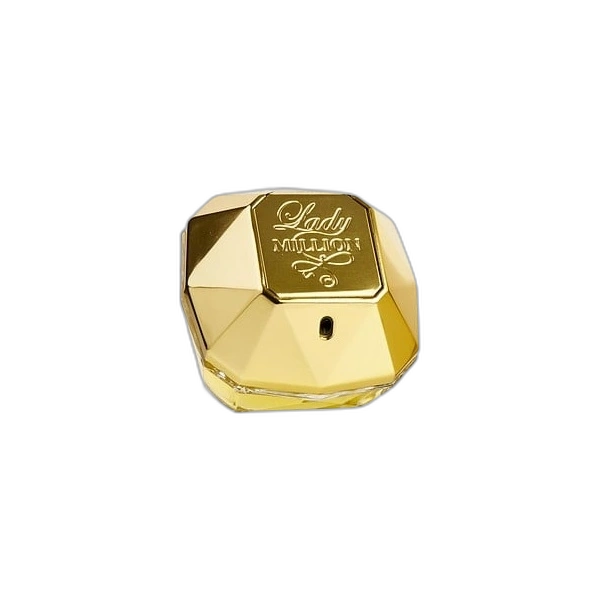
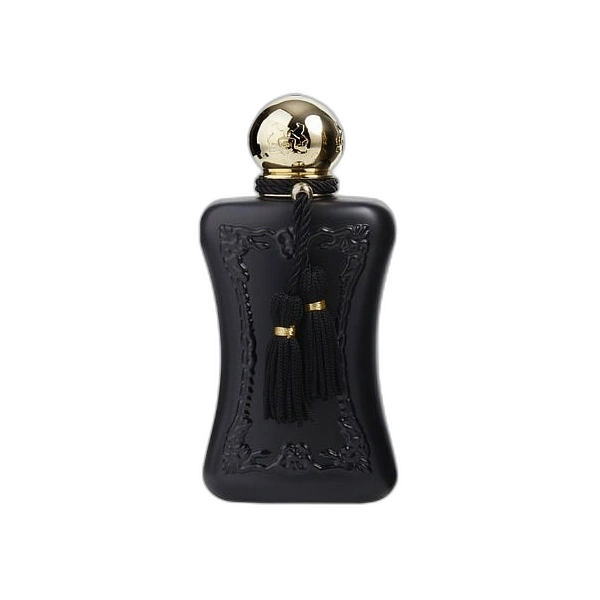
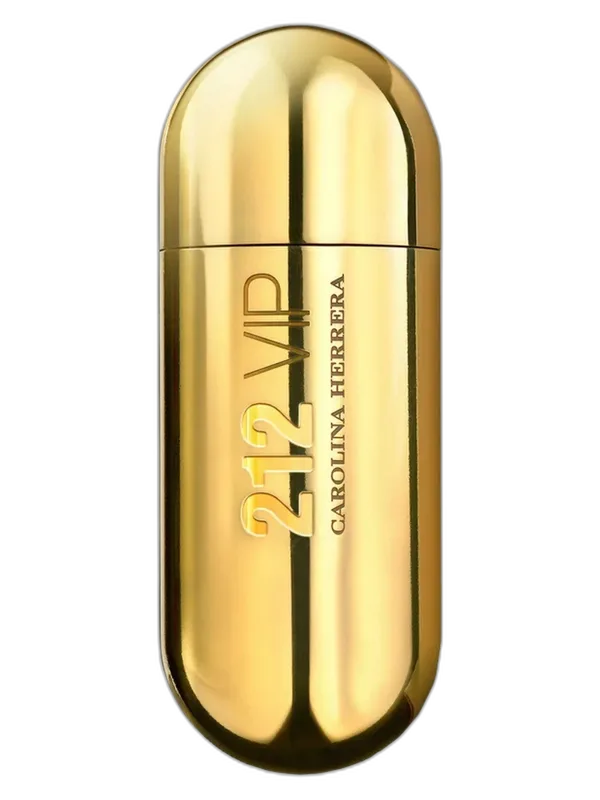
Lady Million Paco RabanneAthalia Parfums de Marly212 VIP Carolina Herrera

What does Bitter Orange smell like?

Where sweet orange suggests juice, bitter orange suggests peel: an elegant bitterness, leafy green nuances and a zesty sparkle that tingles. Behind it you can sense its kinship with orange blossom, a discreet floral softness. The freshness is bracing and slightly dry. Like every citrus it evaporates quickly and hands over to the heart, yet it leaves a lasting imprint on the character of the opening.

Origin and production

The bitter orange tree is generous to perfumers: its distilled flowers give neroli, solvent extraction of the same flowers gives orange blossom absolute, its leaves and twigs give petitgrain, and its cold-pressed peel gives bitter orange oil. Native to Asia, it was naturalised around the Mediterranean and is grown in Spain around Seville, Italy, Morocco, Tunisia and Paraguay. The oil has been used since the earliest eaux de Cologne.

How perfumers use it

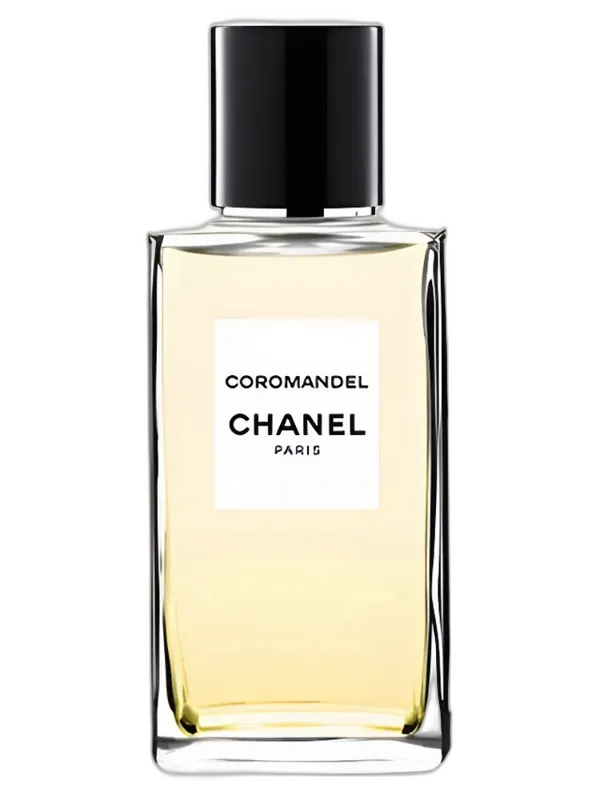
In the top notes, bitter orange brings a more grown-up sparkle than other citrus. It is paired with bergamot, petitgrain and neroli for a complete citrus structure, or with spices and woods for a polished opening. Chanel's Coromandel uses it to brighten a dense patchouli, while Paco Rabanne's Lady Million relies on it to wake up a bouquet of white flowers.

How to wear it

Ideal in warm weather and between seasons, in classic and modern styles alike. It appeals to anyone who finds sweet orange too sugary.
The houses

Most represented houses

Frequently asked questions

What is the difference between bitter orange and neroli?

Both come from the same tree, Citrus aurantium, but from different parts. Bitter orange oil is cold-pressed from the peel and smells sharp and bitter. Neroli is steam-distilled from the blossoms and smells floral, green and slightly honeyed. Petitgrain, a third material, comes from the leaves and twigs.

Is bitter orange a top note?

Yes. Like most citrus oils it is highly volatile and mainly noticeable in the first minutes. Perfumers place it at the top for a bracing start. Its impression can last longer when it is supported by neroli, petitgrain or musks that extend the freshness into the heart.

Which well-known perfumes feature bitter orange?

In our database it opens Chanel's Coromandel, Paco Rabanne's Lady Million, Parfums de Marly's Athalia and Carolina Herrera's 212 VIP. Each time it plays the same role: lighting up a richer heart, whether patchouli, white flowers or a gourmand accord, with a zesty bitterness.