The story of Hugo Boss
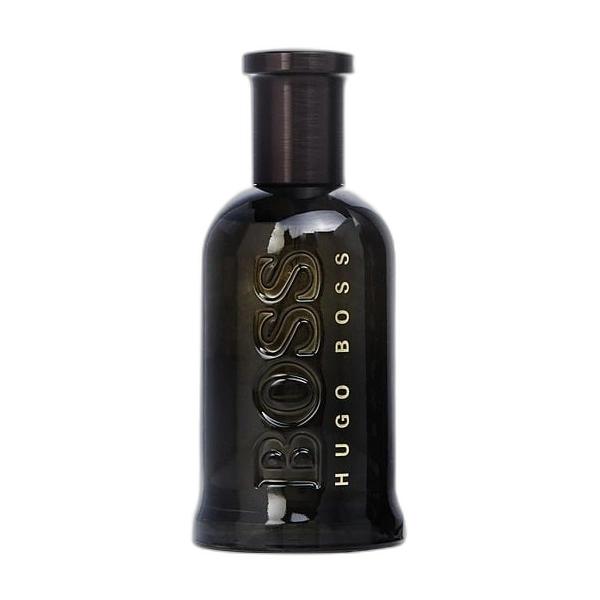
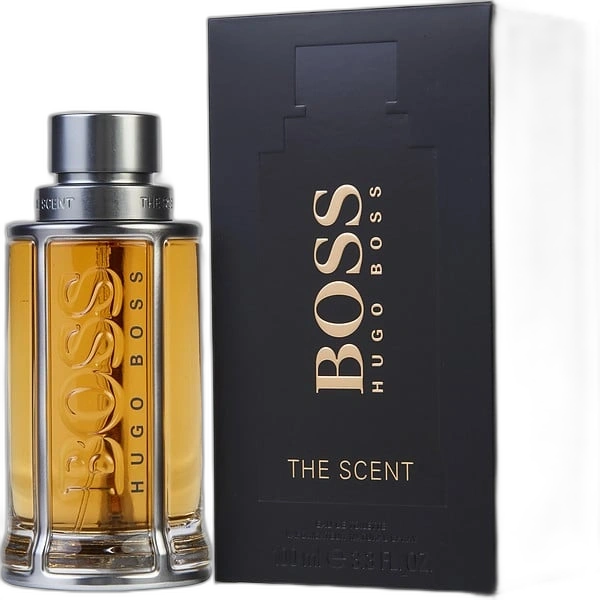
Hugo Ferdinand Boss founded his clothing workshop in Metzingen, in south-west Germany, in 1924. After the war the company grew in menswear, then turned in the 1970s to upmarket ready-to-wear suits, which earned it international recognition. Fragrance followed that expansion from the 1980s. In 1998 Boss Bottled, composed by Annick Menardo, became the brand's signature scent: a spicy wood of apple and cinnamon, conceived as the fragrance of the modern businessman. It has remained one of the best-selling masculines ever since and has spawned countless variations. Boss The Scent, in 2015, offered a more sensual take, built around maninka fruit and leather. The brand's fragrances are produced under licence, by Coty since the mid-2010s, and remain among the most widely distributed men's scents in the world.
An olfactory signature
The Hugo Boss style is the clean, spicy wood, made for the office as much as for evenings. Boss Bottled is the template: apple, citrus and plum up top, geranium, cinnamon and clove at the heart, then sandalwood, cedar and vanilla. Boss The Scent warms the formula with ginger, mandarin and bergamot, lavender and maninka fruit, before a base of leather and cedar. In both cases the result is rounded and legible, with no rough edges and nothing that divides a room.
Which Hugo Boss perfume to choose?
For a versatile fragrance to wear every day and in every season, Boss Bottled remains the safe bet, balanced between fruity freshness and spicy warmth. Boss The Scent is better suited to evenings and cooler months, with its ginger, exotic fruit and leather. Both are easy eaux de toilette, popular with anyone who likes crowd-pleasing masculines.