Era

The 1970s, freedom and provocation

The 1970s blended emancipation, counterculture and a taste for provocation. Perfumery diversified between green freshness, powdery romance and bold spicy ambers.

6perfumes
6houses
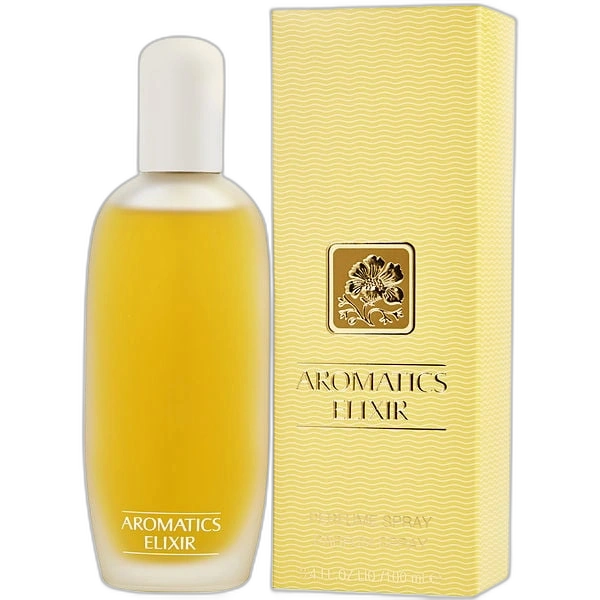
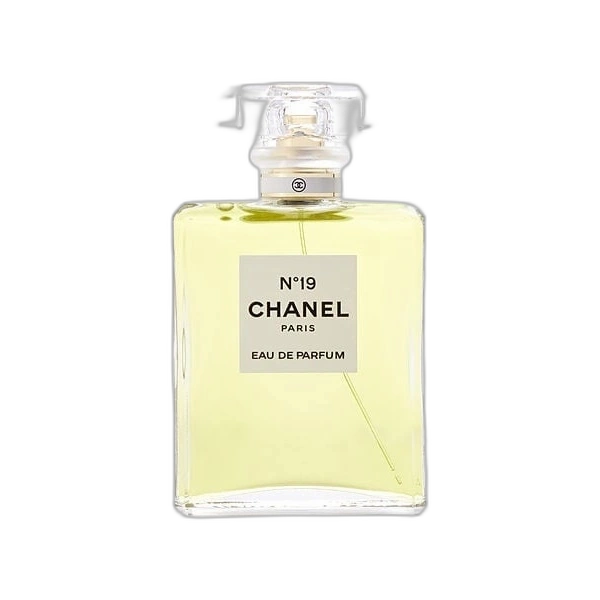
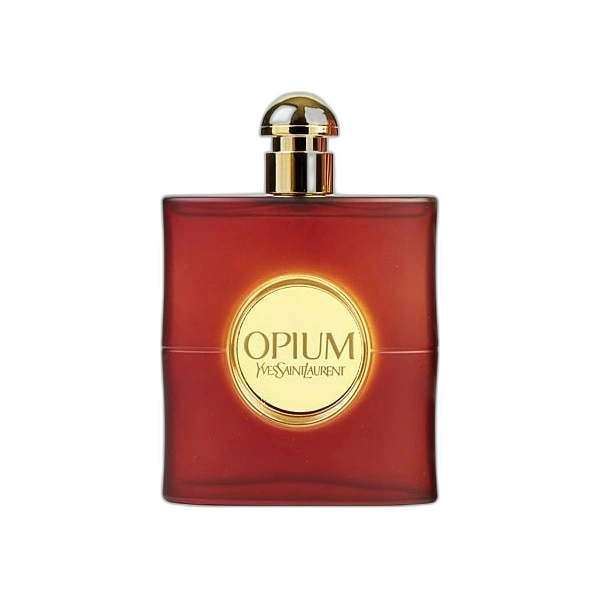
Aromatics Elixir CliniqueN°19 ChanelOpium Yves Saint Laurent

The spirit of a decade

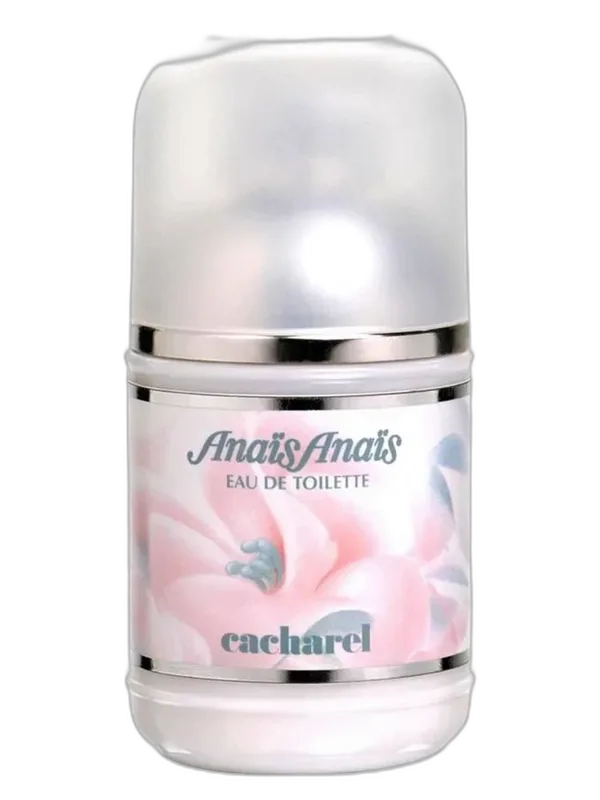
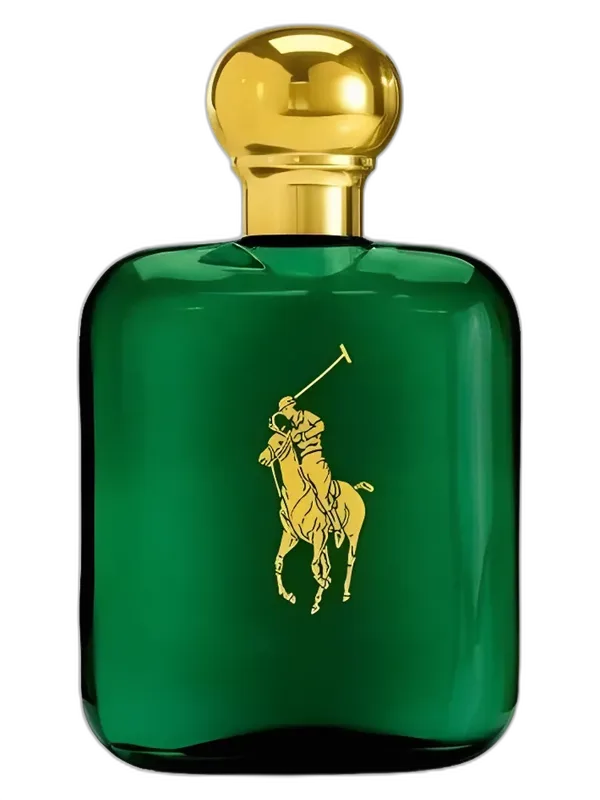
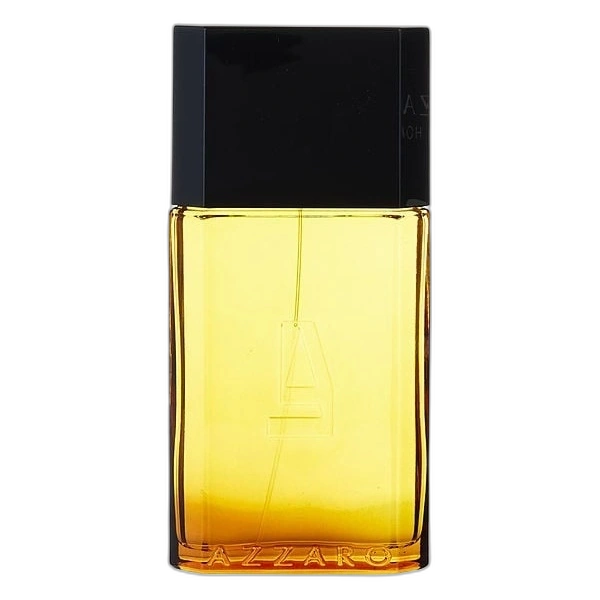
Driven by feminism and the counterculture, the decade brought perfumes designed for independent women. Chanel N°19, in 1971, asserted a green, iris-laden floral that felt dry and determined. That same year, Clinique launched Aromatics Elixir, a powerful herbal chypre composed by Bernard Chant. In 1977, Yves Saint Laurent caused a scandal with Opium: its name and campaign sparked protests, but its spicy amber became a worldwide phenomenon. In 1978, Cacharel launched Anaïs Anaïs, a tender, powdery floral hugely popular with teenagers, while Ralph Lauren's Polo and Azzaro pour Homme shaped men's perfumery around strong aromatics and fougères. The decade also established American fashion brands as major players in a market long dominated by Paris. Perfume was becoming a truly global business, and its codes began to reflect that.
Frequently asked questions

Why was Opium so controversial?

Its name, associated with a drug, and its sensual advertising drew protests when it launched in 1977, especially in the United States. The controversy fuelled its fame. Beyond the scandal, its spicy amber accord deeply influenced the powerful perfumes of the 1980s.

Which men's fragrances were born in the 1970s?

Ralph Lauren Polo and Azzaro pour Homme, both from 1978, are the most famous. The first offered a green, woody aromatic, the second an aniseed aromatic fougère. They foreshadowed the next decade, when men's perfumery would become more powerful and demonstrative.

Is Anaïs Anaïs a 1970s perfume?

Yes, Cacharel's Anaïs Anaïs came out in 1978. This tender white floral in an opaline bottle appealed to a young, romantic audience. It contrasted with the intensity of Opium, launched a year earlier, and shows how varied the tastes of the time were.