A short history
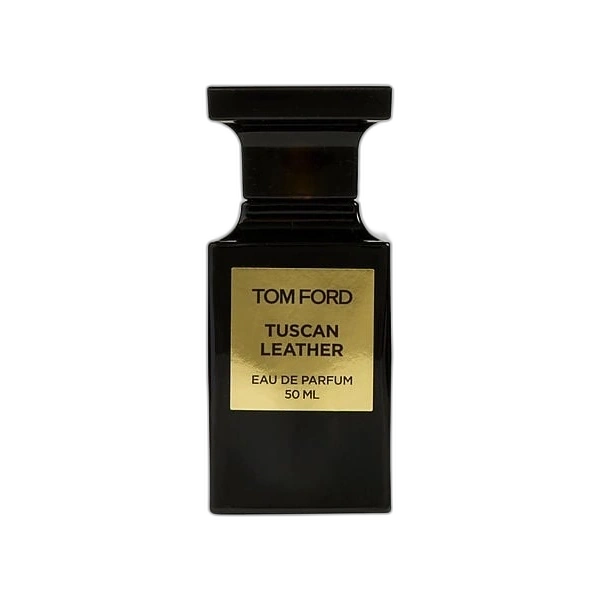
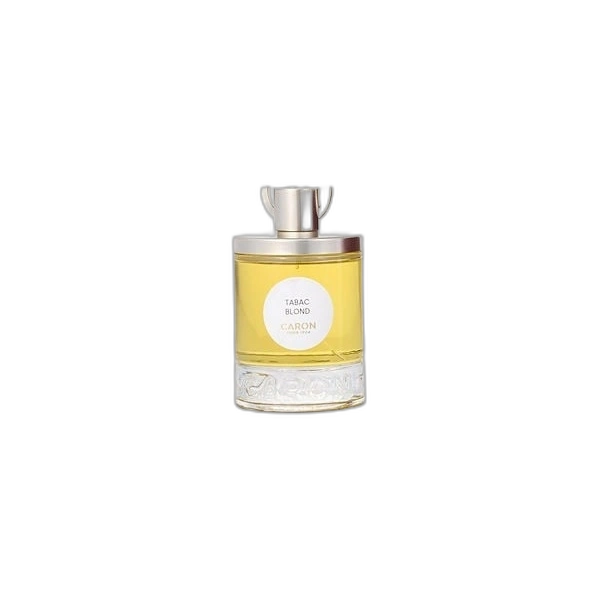
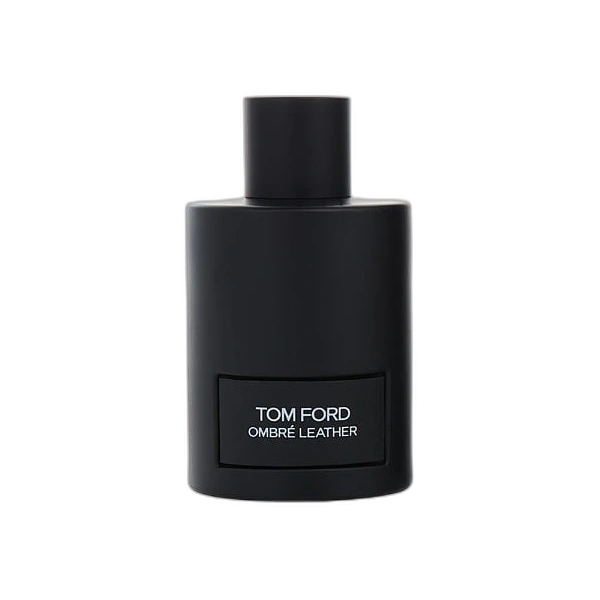
Scented leather began with the glove makers. From the Renaissance, Grasse glovers perfumed their hides to mask the smell of tanning, and the town went on to become the capital of perfume. Russian leather, treated with birch oil, smoky and tarry, then became the model. Just after the First World War, Caron released Tabac Blond in 1919, created by Ernest Daltroff for women who smoked, and Chanel presented Cuir de Russie in 1924, by Ernest Beaux. In 1944, Germaine Cellier's Bandit for Robert Piguet pushed leather towards a green, provocative harshness. The family grew quieter after the 1970s before a strong return through niche perfumery: Tom Ford's Tuscan Leather in 2007, with saffron and raspberry, then Ombre Leather in 2018, made leather smoother and easier to approach.
Sub-families
Smoky or tarry leather, heir to Russian leather, relies on birch and cade and evokes saddles, campfires and the open road. Floral leather pairs the animalic material with iris, violet or jasmine for a kid-glove effect. Suede leather is softer and powdery, often built with musks and saffron. Tobacco leather, in the line of Tabac Blond, blends dried leaves and honey. Woody or oud leather, finally, combines tanned hide with dark woods. Each style shifts the balance between animal, smoke and softness.
How to wear it
Leather is a signature, not an accessory. One spray on the chest or inner wrists is enough, since these materials often last more than eight hours. It belongs to autumn and winter, worn with wool or with leather itself. Softer suede versions can work at the office, especially in cooler months.